
Expert: Government Must Anticipate Fiscal Risks from Pertamax Consumer Migration
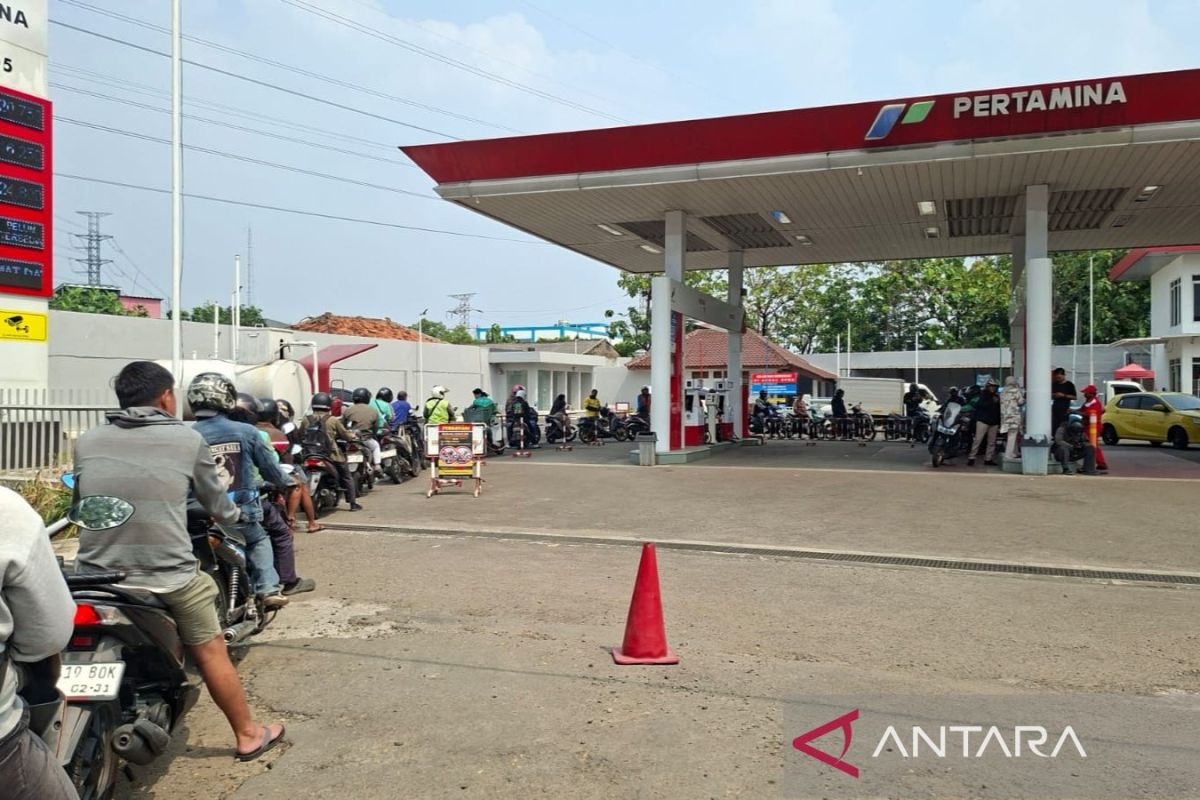
Guru Besar FEB Unair Rahma Gafmi has reminded the government to anticipate fiscal risks arising from consumers migrating from Pertamax to Pertalite following a price increase of more than 30 percent, which could increase the energy compensation burden in the state budget (APBN).
“The shift in consumption from Pertamax (non-subsidised fuel) to Pertalite (compensated fuel) is one of the biggest fiscal risks for the APBN. This migration phenomenon is usually triggered by the widening price gap between the two fuel types,” Rahma said when contacted by ANTARA in Jakarta on Friday.
She explained that the risk arises because Pertalite uses a compensation scheme, meaning the government must cover the difference between the established retail selling price (HJE) and the economic price influenced by the Indonesian Crude Price (ICP) and the rupiah exchange rate.
“The domino effect on the quota is that consumption migration could cause the Pertalite distribution volume to exceed the quota set by BPH Migas. If the volume is over-quota, the compensation payment burden at the end of the fiscal year will swell drastically,” Rahma stated.
According to her, the government also needs to prepare a flexible budget cushion to anticipate a surge in energy compensation payments if the actual distribution of Pertalite surpasses the target. She suggested the government prepare various fiscal options, including utilising the Excess Budget Balance (SAL), if compensation payments to Pertamina exceed the target set at the beginning of the year.
Furthermore, she added, the Ministry of Finance, together with the Supreme Audit Agency (BPK) and the Development and Finance Comptroller (BPKP), needs to accelerate the audit and verification process of fuel distribution data, which forms the basis for compensation payments, so that fund disbursement does not accumulate at year-end.
Rahma also assessed that periodic adjustments to Pertamax prices at moderate levels could be an option to reduce the risk of consumption migration. This measure is considered capable of keeping the price gap between Pertamax and Pertalite from becoming too wide, thus not triggering a large-scale consumer shift.
Nevertheless, according to Rahma, the most urgent step is revising Presidential Regulation (Perpres) Number 191 of 2014 to clarify which vehicle categories are entitled and not entitled to consume Pertalite. Without a strong legal basis, field officers or petrol station operators lack the authority to refuse vehicles that are not entitled to purchase Pertalite.
“Without legal clarity on who is entitled and who is prohibited, digital instruments like MyPertamina will only function as a tracking tool, not as a controlling tool,” she explained.
Once the revised regulation is issued, Rahma added, BPH Migas must promptly formulate technical guidelines governing supervision procedures, sanctions for violating petrol stations, and an integrated daily quota mechanism per vehicle. She also stressed the importance of integrating the MyPertamina system with the Korlantas Polri database. With such a system, engine capacity could be automatically identified when a number plate or QR code is scanned at the petrol station, allowing eligibility for Pertalite purchases to be verified directly.
Rahma noted that technical aspects on the ground also require attention, as the implementation of fuel purchase restrictions could potentially trigger congestion at petrol stations and friction between consumers and attendants. Therefore, petrol stations must also prepare separate queuing lanes for vehicles entitled to subsidised or compensated fuel and those using non-subsidised fuel.