
Expert Explains the Difference Between Rats and Shrews, and Which Is More Dangerous
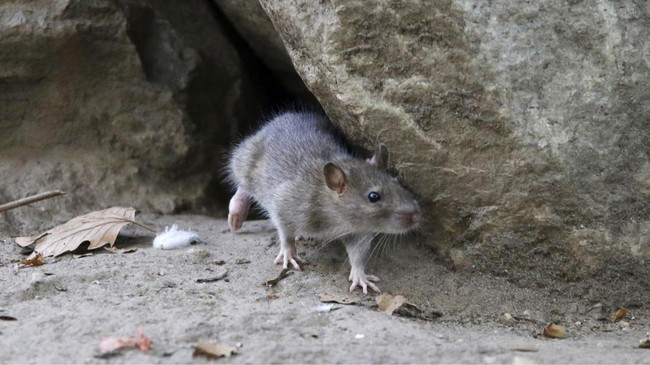
Jakarta, CNBC Indonesia — Rats and shrews are often thought to be the same animal. Both have small, dark-coloured bodies and are frequently found around homes. However, they are two distinct types of animal.
Dr Swastiko Priyambodo, a lecturer in the Department of Plant Protection at IPB University’s Faculty of Agriculture, explained that rats and shrews differ not only in their physical appearance, but also in their diet, habitat and the risk of diseases they may transmit to people.
He said it was important for the public to recognise the differences so they can identify the animals correctly and remain alert to potential health risks.
Swastiko explained that rats belong to the order Rodentia. Shrews, meanwhile, have traditionally been classified under the order Insectivora.
“Rats belong to the order Rodentia, or the group of rodents, and are omnivorous, especially eating cereals. Shrews belong to the order Insectivora and generally eat insects and earthworms,” Swastiko said, as quoted on IPB University’s official website on Tuesday (20 October 2026).
In appearance, rats generally have long tails and medium-sized, proportionate snouts. Shrews, by contrast, have shorter tails and relatively longer, more pointed snouts.
The animals also differ in where they live. The house rat, scientifically known as Rattus tanezumi, usually inhabits the upper parts of buildings, such as ceilings and roof spaces.
The house shrew, or Suncus murinus, is more often found at ground level or on floors.
“House rats live in roof spaces or ceilings, while house shrews live on the ground or floors,” he said.
In addition to house rats, there are house mice (Mus musculus), which are smaller, and sewer rats (Rattus norvegicus), which are larger. These three rodents are known as cosmopolitan species because they are widely distributed and follow human settlements across the world.
Which Is More Dangerous to Health?
Although they may look similar at first glance, rats and shrews pose different health risks. Swastiko said rats can carry various diseases that may be transmitted to humans.
Diseases associated with rats include plague, leptospirosis and hantavirus infection. Leptospirosis, for example, can be transmitted through exposure to water or environments contaminated with the urine of infected animals, including rats.
Swastiko said shrews do not carry the same diseases as rats. Nevertheless, their presence in the home should still be dealt with carefully, as wild animals may also carry disease-causing microorganisms.
The public is therefore advised to identify animals found at home before deciding on the appropriate way to deal with them.
Swastiko said house rats, house mice and house shrews can be caught using glue traps. However, they must be handled carefully to avoid direct contact with the animals or with objects that may be contaminated.
People should also keep their homes clean, store food in sealed containers and reduce places where these animals could hide.