
Expert: Environmental Law Opens Door for Limited Controlled Burning
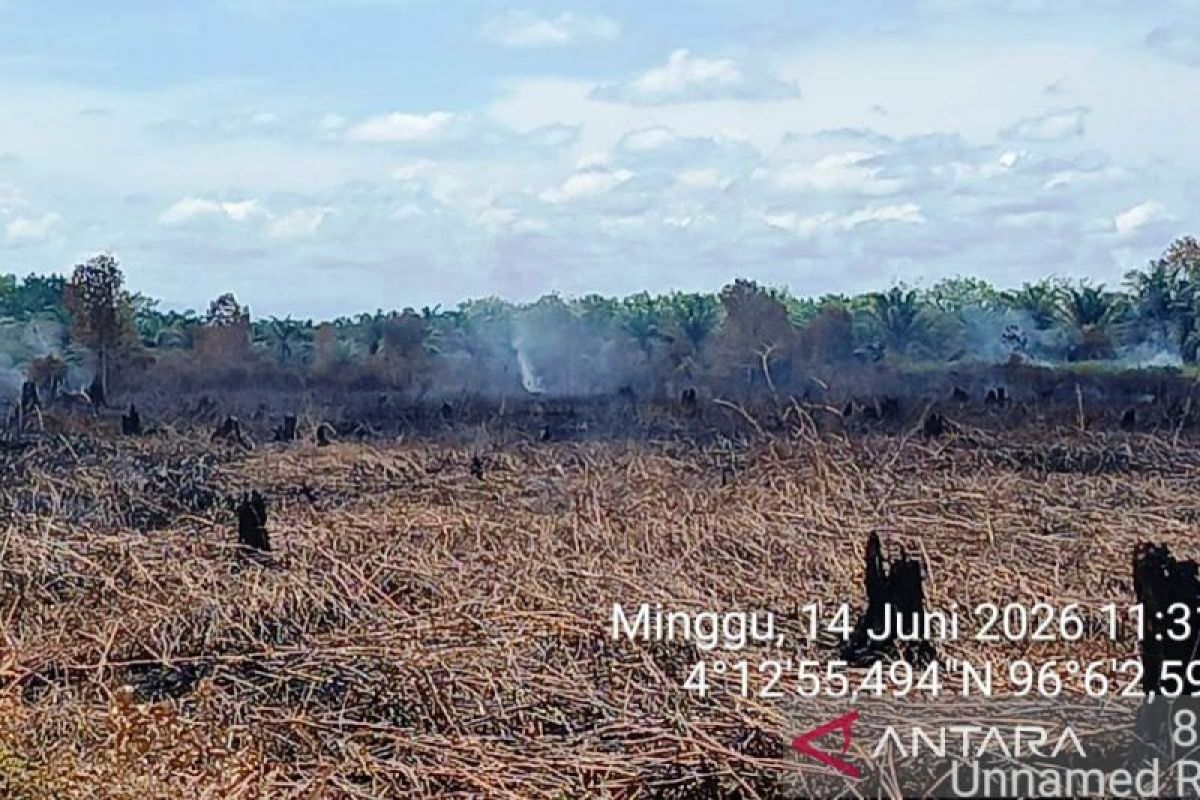
Forest and land fire management expert from IPB University, Israr Albar, has stated that Indonesian regulations actually open the door for the limited application of prescribed burning, even though the current national policy still prioritises a no-burn principle. In a statement received in Jakarta on Monday, he conveyed that this opportunity is enshrined in Law Number 32 of 2009 concerning Environmental Protection and Management (UU PPLH), specifically in Article 69, which allows local communities to conduct limited burning of a maximum of two hectares. “This could be a consideration for the possibility of conducting controlled burning, especially on mineral lands. This technique has the potential to be one of the solutions to reduce the accumulation of natural fuel in fire-prone areas,” said Israr. However, the former Director of Forest Fire Management at the Ministry of Forestry stressed that trials or implementation of this technique in the field must be carried out with meticulous planning and under strict supervision from the relevant authorities to prevent the fire from jumping and becoming an uncontrolled wildfire. He strongly cautioned that this communal burning practice must not be applied in peatland ecosystems at all, given the characteristics of peat which stores high carbon and is highly susceptible to triggering subsurface fires that are difficult to extinguish. In general, the adoption of fire management practices that have proven beneficial in various cosmopolitan countries still faces a number of significant challenges domestically, particularly in terms of regulatory synchronisation and the supervisory capacity of field-level officers. The heterogeneous characteristics of Indonesia’s ecosystems and the limitations of micro-weather measuring instruments in remote areas are also crucial factors requiring in-depth study before this method is widely legalised. The discussion on prescribed burning is currently being deliberated among Indonesian forestry experts and conservation institutions. This is inseparable from the persistently high risk of forest and land fires on nationally strategic lands. Data from the Ministry of Forestry, elaborated in the discussion ‘When Fire Can Heal: Prescribed Burning, El Nino, and Fire Management in Indonesia’ organised by the BRIN Ecology Research Centre, revealed that the accumulated area of forest and land fires in Indonesia from January to May 2026 was reported to have reached 81,077 hectares, showing a very significant surge of nearly eightfold compared to the same period in 2025, which was recorded at 10,444 hectares. Tropical peat expert from Tanjungpura University, Gusti Zakaria Anshari, added that peatland ecosystems are among the most at risk and must receive full protection, because besides storing enormous carbon reserves, fires on peatlands are also extremely difficult to extinguish and contribute significantly to global greenhouse gas emissions. Moreover, a study by the National Conservation Foundation (YKAN) together with the Ministry of Forestry and Oregon State University over more than two decades in Kalimantan shows a strong and consistent correlation between El Nino, fire frequency, and the extent of burned peat. “The key to peatland management is preventing fires from the start. Reducing natural fuels such as shrubs is one important step, but without using burning,” he said.