
Expert: Certainty on Jokowi's Role as PSI Advisory Board Chair Crucial to Shaping 2029 Political Map
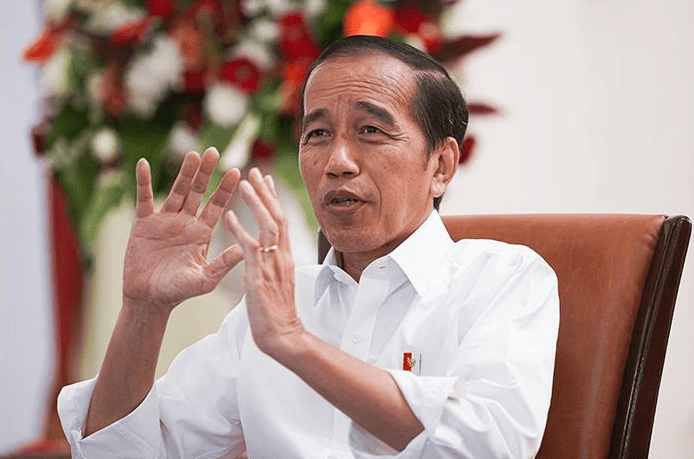
The potential inclusion of Indonesia’s 7th President, Joko Widodo (Jokowi), as Chairman of the Advisory Board of the Indonesian Solidarity Party (PSI) is considered likely to strengthen the party’s position while influencing the political competition map ahead of the 2029 General Election. However, certainty regarding Jokowi’s political status and authority within PSI must be announced immediately to clarify the party’s consolidation direction.
Executive Director of Trias Politika, Agung Baskoro, stated that Jokowi’s presence could be a crucial factor for PSI’s survival in facing future national political competition. “Considering the ‘Jokowi effect’ is needed to make PSI more survivable in the country’s political landscape,” Agung said in his statement on Sunday (14/6).
According to him, the lack of certainty regarding the timing of Jokowi’s official announcement as PSI Advisory Board Chairman raises several questions, particularly concerning the scope of authority the former President will have in the party bearing the elephant symbol. “This raises the fundamental question of why this is the case. I see there is an unresolved political agreement between Mr Jokowi and PSI’s internal leadership, primarily regarding authority,” he said.
Agung stated that clarity on Jokowi’s position is important not only for PSI but also for Jokowi’s supporters and militant volunteers, who still wield significant political influence. “I think Mr Jokowi, his supporters, and his militant volunteers also need clarity, so that PSI is indeed the right party that can accommodate and understand Mr Jokowi’s political needs, ensuring that whatever stance PSI takes in the future aligns with the working standards Mr Jokowi understands in politics,” he explained.
He then compared the positions of several national figures who hold great influence in their respective parties. According to Agung, PDI Perjuangan Chairperson Megawati Soekarnoputri holds full authority in her party, while in the Democratic Party there is a division of authority between Susilo Bambang Yudhoyono (SBY) and Agus Harimurti Yudhoyono (AHY). In the Gerindra Party, Prabowo Subianto holds primary control. Therefore, Agung said, the public needs to know the extent of influence Jokowi will have if he indeed joins PSI. “When Mr Jokowi enters PSI, what percentage of authority will he have to determine PSI’s direction? 100 percent, 50 percent, or what? This is still unclear,” he said.
Furthermore, Agung emphasised that this certainty is important for Jokowi to determine his political home after no longer serving as president. “This certainty is important so that Mr Jokowi has clarity on his political home post-presidency. Whether PSI remains attractive or if there is another more attractive party so that his and his family’s political interests can be optimally accommodated in the future,” he stated.
Agung also assessed that PSI must be able to meet organisational consolidation targets down to the grassroots level before the 2029 election stages begin. “Another important matter is how PSI can meet Mr Jokowi’s deadline of having its management structure formed down to the grassroots level by the end of 2026, whether at the sub-district or village level, or even down to the neighbourhood and community unit levels,” he said.
According to Agung, the readiness of the party structure is a crucial factor because the stages for the 2029 General Election are expected to commence around April 2027. With the support of the Jokowi figure and his volunteer network, PSI has the opportunity to increase its electoral strength if it can build a solid organisation down to the lowest levels.
Source: jawawa.id (https://jawawa.id/newsitem/expert-certainty-on-jokowis-role-as-psi-advisory-board-chair-crucial-to-shaping-2029-political-map-1781430662)
Originally published by Media Indonesia (https://mediaindonesia.com/politik-dan-hukum/900387/pakar-kepastian-jokowi-jadi-dewan-pembina-psi-penting-untuk-pengaruhi-peta-politik-2029), translated from Indonesian