
Expert Calls for Algorithmic Transparency to Ensure Fair Content Reach
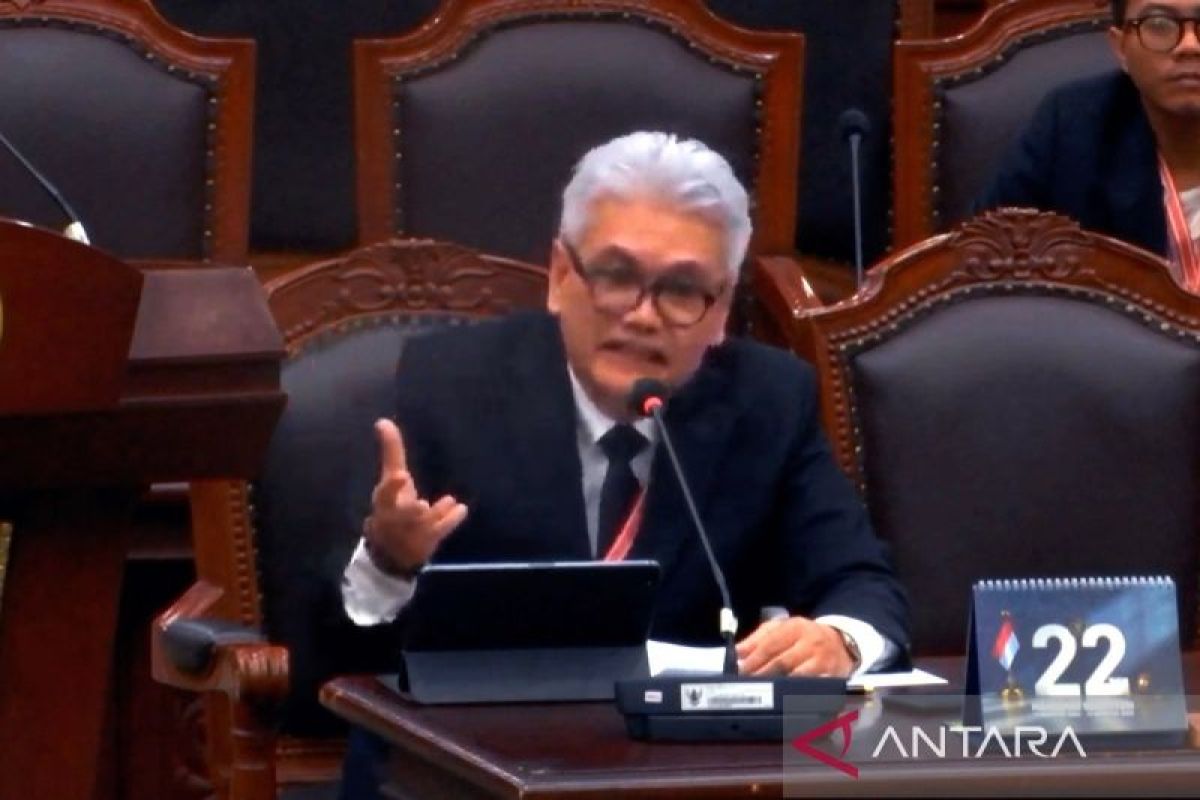
Jakarta (ANTARA) – Ahmad Ramli, a professor of cyberlaw at the Faculty of Law of Padjadjaran University, has called for greater transparency in digital platforms’ algorithms to ensure content is distributed fairly and to prevent alleged restrictions on reach, or shadowbanning, that users find difficult to verify.
His comments follow allegations concerning US multinational technology company Meta in the context of Brazil’s recent presidential election.
Ramli, who also founded the university’s Center of Cyberlaw & Digital Transformation, told ANTARA in Jakarta on Thursday that disclosure of how content is distributed is needed so the public can understand the factors affecting the reach of information and assess whether platforms’ systems operate fairly.
“This is certainly urgent, particularly during political moments such as the period approaching and during an election. But it should be understood that ‘disclosure’ does not mean handing over all of Meta’s trade secrets to the public,” Ramli said.
He said transparency need not involve publishing all source code or companies’ trade secrets. Platforms could instead grant limited access to independent auditors or regulators, alongside public reports setting out key indicators on content distribution and restrictions.
Ramli said a central problem is the difficulty of establishing whether algorithmic bias exists when platforms do not provide adequate data. This can lead to suspicions that certain content or accounts receive less reach than others, without any explanation that can be independently tested.
“The problem is how difficult it is to check whether that bias exists. This is where transparency becomes important,” he said.
To address the issue, Ramli called for regular algorithm evaluations, including checks on account-suspension error rates across different groups, as well as clear explanations of the factors affecting content recommendations and reach.
He also said automated moderation decisions should be subject to human review where technically feasible. Platforms should provide a rapid appeals process for users who believe they have been harmed by an erroneous restriction or suspension.
On regulation, Ramli said Indonesia already has the Electronic Information and Transactions Law (UU ITE) and the Personal Data Protection Law (UU PDP). However, he said clearer rules are needed requiring platforms to provide algorithmic data for oversight and independent audits.
He proposed requiring global digital platforms to have a corporate representative in Indonesia, making audits and requests for information easier. The government could also introduce graduated penalties, ranging from warnings and fines proportionate to companies’ revenues to access restrictions as a last resort.
Ramli said the UU ITE should also be reviewed to keep pace with technological developments. Indonesia should consider a dedicated law on artificial intelligence (AI), he added, since existing ethical rules are not considered sufficiently binding.
He said stronger transparency and oversight should improve platform accountability without neglecting data protection, trade secrets and users’ rights. Independently verifiable mechanisms, he added, could make content distribution fairer and ensure allegations of shadowbanning are addressed on the basis of evidence rather than assumption.