
Expert Calls for Accelerated Integration of Halal Industry to Boost Competitiveness
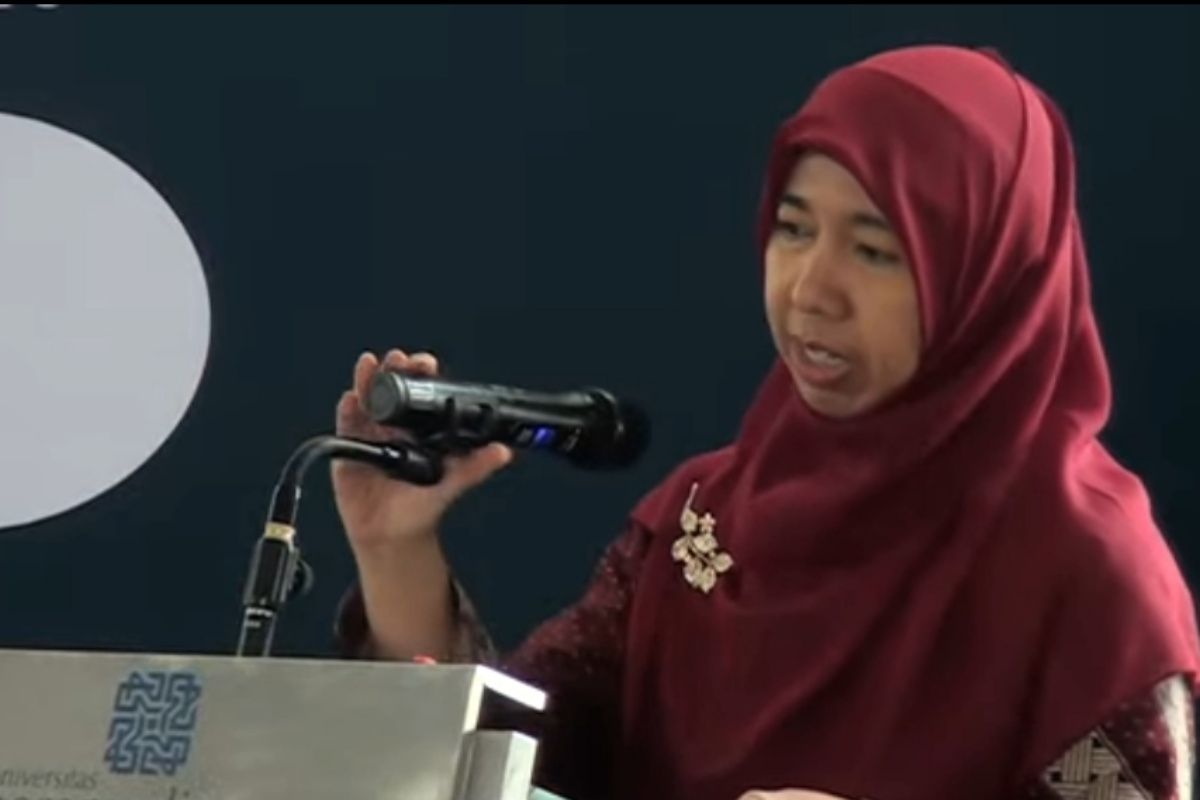
Jakarta (ANTARA) - The Head of the Center for Sharia Economic Development (CSED) at INDEF, Nur Hidayah, stated that the government needs to accelerate the integration of the halal industry in Indonesia, from production and financing to logistics, in order to be globally competitive. “The halal ecosystem needs to be integrated so that sharia financing, the halal industry, and MSMEs can be gathered in a proper value chain, thus forming an integrated ecosystem,” Nur Hidayah said in Jakarta on Tuesday. According to her, Indonesia is currently a large market for the halal industry, but significant efforts are required to become a global halal producer. She noted that Indonesia’s halal product exports are still dominated by palm oil-based commodities. Meanwhile, processed halal products with high added value are not yet the primary driver of exports. Based on available data, she said, palm oil and its derivatives still dominate halal product exports at 34.16 percent, followed by Muslim fashion at around 8.67 percent and halal cosmetic chemical ingredients at 5.46 percent. In terms of market scale and global position, halal product consumption grew by 5.88 percent to 25.98 billion US dollars. Furthermore, the contribution to the GDP supply chain is around 27 percent, but Indonesia’s ranking in the ‘State of the Global Islamic Economy’ dropped from third to fourth, and only four industrial zones are currently operational. “Thus, the large consumption has not resulted in global competitiveness. Halal certification is continuously increasing, but the transformation towards industrialisation, downstreaming, and value-added exports remains our challenge,” she said. For this reason, Nur Hidayah said INDEF recommends that production capacity be optimised. Additionally, certification needs to be elevated into a competitive advantage, and the halal ecosystem must be integrated so that sharia financing, the halal industry, and MSMEs can be gathered in a proper value chain and form an integrated ecosystem. “The main challenge for Indonesia’s halal industry is no longer expanding certification, but integrating certification with industrialisation, financing, logistics, and exports to form a halal value chain that produces value-added products with global competitiveness,” she said.