
Expert: BPA from Reusable Gallon Containers May Be Linked to Early Puberty
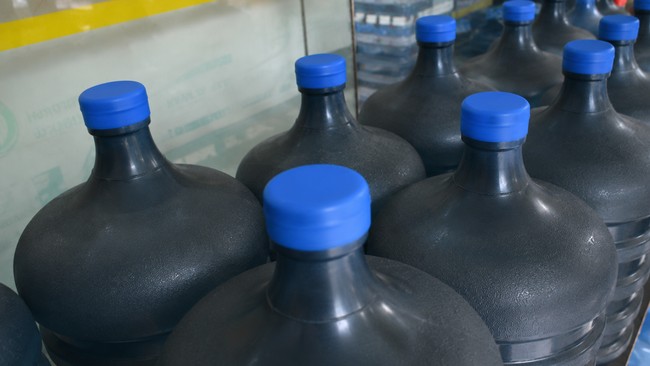
Environmental factors, specifically exposure to Bisphenol A (BPA) from gallon containers and food and beverage packaging, can trigger symptoms of early puberty in children. The findings were disclosed by obstetrics and gynaecology expert Budi Wiweko, who explained that chemicals in human surroundings are suspected of disrupting hormones. “Substances found in the environment can disrupt the mechanism of hormone function,” he stated, as quoted on Wednesday.
Budi noted that early puberty can be influenced by both genetic and environmental factors. However, the differentiating factor is that genetic traits present from birth cannot be controlled, whereas environmental factors can still be managed. One such endocrine-disrupting chemical can be found in food packaging, beverage packaging, and pollutants.
In the context of BPA, he explained that this endocrine disruptor mimics the hormone oestrogen and can operate in areas targeted by that hormone. BPA is thought to act on organs that are oestrogen targets, such as the uterus and breasts. “So if a girl is exposed to Bisphenol at an early age, it is possible for her breasts to grow faster and her uterus to grow faster, thus leading to early puberty,” he stated.
The risks of early puberty do not stop at accelerated physical changes. This condition can also subject children to psychological pressure because their bodies develop earlier than their peers. Furthermore, experts from the Endocrine Society have also linked early puberty to an increased risk of psychosocial problems, obesity, diabetes, cardiovascular disease, and breast cancer.
Regarding sources of daily exposure, Budi mentioned that BPA is predominantly found in food and beverage packaging. A prime example is drinking water gallons. As a result, gallon containers have become a packaging product that warrants attention. Indonesia’s Food and Drug Supervisory Agency (BPOM) has set a maximum BPA migration limit of 0.6 parts per million in food packaging.
He continued that the issue of BPA must also be viewed from a reproductive health standpoint. According to him, diseases related to reproductive organs are heavily influenced by endocrine-disrupting chemicals, including Bisphenol and Dioxin. Such exposure can be linked to endometriotic cysts, impaired egg maturation, ovulation disorders, difficulty conceiving, fibroids, and even cancer.
In the case of pregnant women, he stressed the importance of caution from the very beginning of pregnancy. “When a woman is in her first trimester, she must not be exposed to it,” he stated.
From a psychological perspective, psychologist Ratih Zulhaqqi believes that early puberty must also be considered in terms of family readiness. She assessed that the incidence of early puberty is increasing because parents may not immediately realise that their child has begun puberty. “This is often discovered only after they have a consultation,” she added.
Ratih also reminded the public that prevention concerning a child’s lifestyle must be implemented. This includes managing sleep schedules, meal times, and everything a child consumes, including avoiding substances like BPA.