
Expert: Asset Forfeiture Bill Should Be Enacted Without Delay
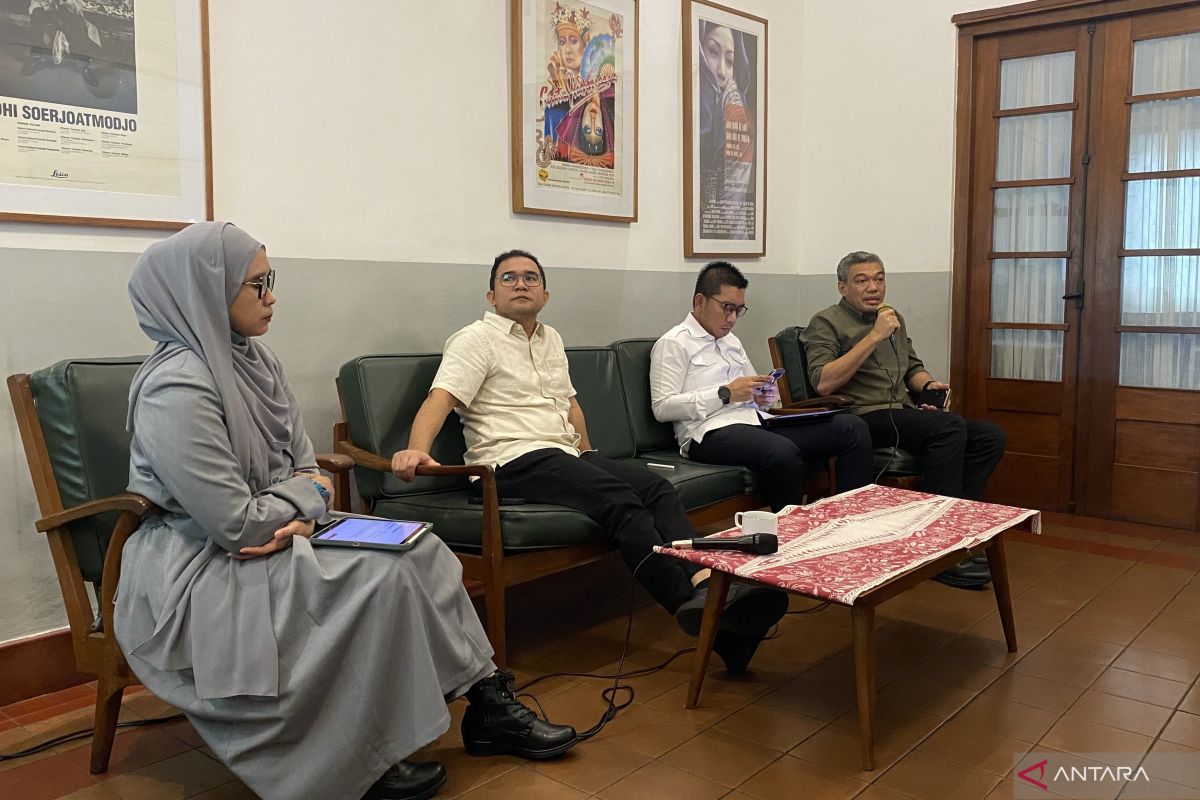
Jakarta (ANTARA) – Constitutional law expert Jimmy Z. Usfunan of Udayana University says the Asset Forfeiture Bill should be enacted without delay to strengthen the fight against corruption by targeting assets obtained through crime.
Speaking at a discussion in Jakarta on Monday, Jimmy said law enforcement had so far tended to use an in personam approach, in which action is directed at the perpetrator of a criminal offence. Under this approach, state assets taken out of the country have not been fully within reach.
“If the asset forfeiture law is still not passed, these assets will continue to flow out, without creating a deterrent effect. That is why we are urging that the asset forfeiture law be enacted as soon as possible,” he said.
He said the fight against corruption should not focus solely on perpetrators, but should also target the economic dimension so that offenders cannot continue to enjoy wealth linked to criminal activity.
Halting the flow of illicit wealth is considered an important means of deterring corruption perpetrators.
In this regard, the drafting of the Asset Forfeiture Bill should include checks on the exercise of power to ensure the authority to seize assets is not used arbitrarily.
“The Asset Forfeiture Bill, once it becomes law, must not become a ‘weapon’ used to criminalise people,” Jimmy said after the discussion.
He emphasised the importance of requiring a court ruling as part of the asset-forfeiture process to protect citizens’ rights against the risk of criminalisation.
He said limits on the powers of law-enforcement officials were essential when drafting the regulation, so that asset-forfeiture decisions would not depend solely on officials’ discretion.
With a working committee established for the Asset Forfeiture Bill, he urged Parliament to broaden public participation, including by making the draft available to the public and holding more public hearings.
Meanwhile, Kurnia Ramadhana, Deputy III at the Government Communications Agency, said the government supported passage of the bill. He said President Prabowo Subianto had expressed this commitment on several occasions.
“I think this issue has been discussed for more than ten years, and the President has recognised the public’s concerns. That is why the President is pushing for the Asset Forfeiture Bill to be enacted as soon as possible,” Kurnia said.
“The President sees this as an obstacle, so there needs to be another instrument alongside the Corruption Crimes Law: an asset forfeiture law. We do not want asset forfeiture to be limited to corruption offences, but to cover other criminal offences as well,” said Kurnia, a former anti-corruption researcher and activist.