
Expert assesses US-Iran peace deal hampered by Israeli aggression
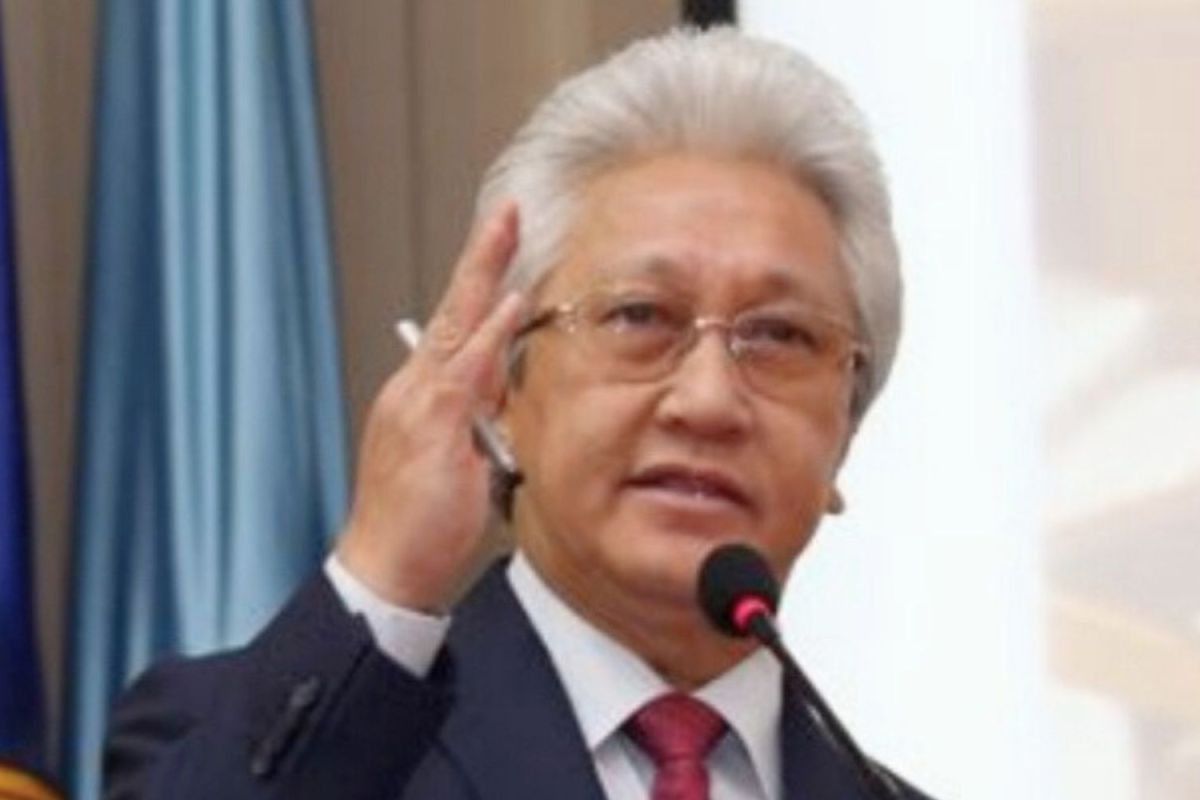
Darmansjah Djumala, an expert on foreign relations strategy at the Pancasila Ideology Development Agency (BPIP), has assessed that the peace agreement briefly established between the United States and Iran has been hampered by Israel’s ongoing aggression in Lebanon. He judged that the US-Iran peace deal provided a glimmer of new hope for the creation of peace and stability in the Middle East. However, he cautioned against excessive optimism for immediate peace, citing Israel as an obstacle. “Although the US and Iran have agreed to a peace deal, its prospects in the Middle East remain doubtful,” Darmansjah said in a statement in Jakarta on Sunday. The former Indonesian Ambassador to Austria and the United Nations assessed that after years of being trapped in a cycle of confrontation, sanctions, and military threats, the two countries have finally shown a willingness to pursue diplomacy as an instrument for conflict resolution. According to him, the signing of the Memorandum of Understanding holds strategic significance for reducing tensions between Washington and Tehran, which have long been a primary source of regional instability. He further assessed that the successful implementation of the MoU would reinforce diplomacy and negotiation as the main mechanisms for resolving international disputes. Moreover, the creation of a more constructive relationship between the US and Iran, he said, has the potential to encourage broader political and security stability in the Gulf region and the Middle East. However, he revealed that optimism for US-Iran peace now faces a serious test, as Israeli military attacks in southern Lebanon occurred just two days after the agreement was approved. For Iran, he assessed that Israeli aggression is not only a threat to its allies in the region but also an effort to maintain a politics of confrontation and hinder the process of normalising US-Iran relations. According to him, the escalation in southern Lebanon could trigger a chain reaction, as Iran will likely face domestic and regional pressure to increase its support for proxy groups in the area. At the same time, Darmansjah noted, the United States, as Israel’s main ally, will be in a difficult position. On one hand, the US wants to maintain its commitment to Iran, but on the other, it must preserve its strategic support for Israel. Therefore, he assessed that the success of the US-Iran agreement depends heavily on the ability of both parties to align de-escalation in the Strait of Hormuz with a cessation of Israeli aggression in Lebanon. The US also needs to play a more active role in restraining Israel’s military escalation so as not to derail the ongoing diplomatic process. He stressed that peace in the Middle East cannot be built solely through bilateral agreements. “Peace requires a conducive regional environment, escalation control, and a commitment from all parties to prioritise diplomacy over military force,” Darmansjah said.