
Expert assesses strengthening protectionism, ASEM focuses on domestic development
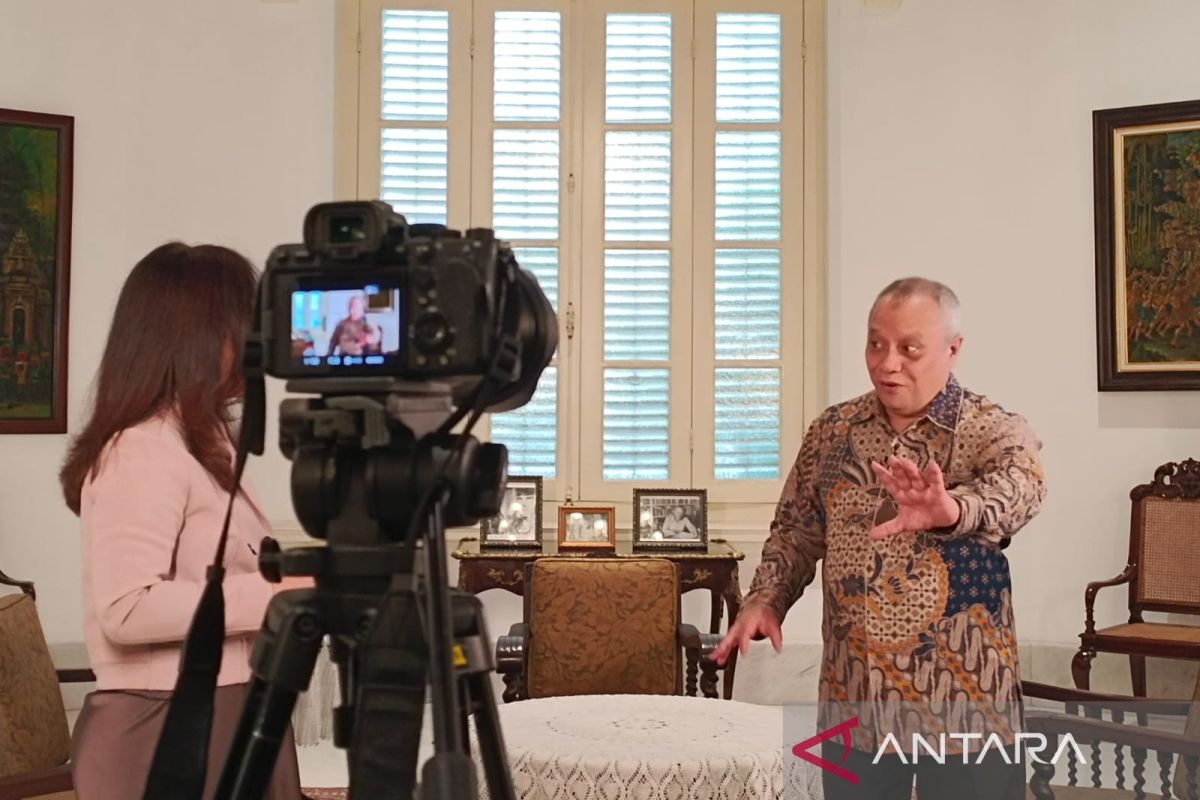
Jakarta (ANTARA) - International relations expert from Padjadjaran University, Teuku Rezasyah, assesses that protectionism is becoming an increasingly common trend amid the global energy crisis, thereby encouraging countries within the Asia-Europe Meeting (ASEM) forum to prioritise domestic development.
“Protectionism is very commonly practised at present, where energy scarcity and the high potential for regional wars in the Middle East force countries in the ASEM environment to prioritise their respective developments,” said Rezasyah, when contacted by ANTARA in Jakarta on Sunday.
He predicts that the European Union will collectively transform from a free market into a more closed one as China’s global penetration increases in the trade, investment, banking, and technology sectors.
“However, protectionism risks being misinterpreted as a threat to the economic development of other countries, thereby worsening trust among ASEM members,” he said.
Rezasyah believes that common norms are needed to affirm that protectionism can be justified under certain conditions, such as to maintain national resilience, food and energy security, and government stability.
He also highlights the importance of responses from Asian countries, including Indonesia, to the implementation of green standards from Europe, which often pose challenges in trade.
“In-depth training is needed so that policymakers and decision-makers in Asian countries understand the European Union’s very consistent position in implementing sustainable development based on environmental living,” he said.
In addition, he assesses that Asian countries need to attract the attention of European countries that have strong commitments to environmental management, given the allocated budgets programmed to support developing countries in achieving Sustainable Development Goals (SDGs) targets before 2030.
The main focus is directed towards SDG Number 13 on climate action, SDG Number 7 on affordable and clean energy, and SDG Number 6 on clean water and sanitation.
ASEM (Asia-Europe Meeting) is an informal intergovernmental forum for dialogue and cooperation to strengthen relations between Asia and Europe. This forum unites 53 partners—including European countries, ASEAN members, and other Asian countries—to discuss political, economic, social, cultural, and environmental issues.
ASEM, founded in Bangkok, Thailand in March 1996, has the primary aim of enhancing mutual understanding, peace, and prosperity between the two continents through equal and open cooperation.
ASEM is driven by the need to strengthen economic and political relations between regions through three pillars of cooperation: dialogue on stability and security for the political field, trade, investment, and infrastructure cooperation for the economic field, and exchanges in education, culture, and people-to-people relations for the social, cultural, and intellectual field.