
Expert assesses sorghum-based bioethanol price will be more competitive
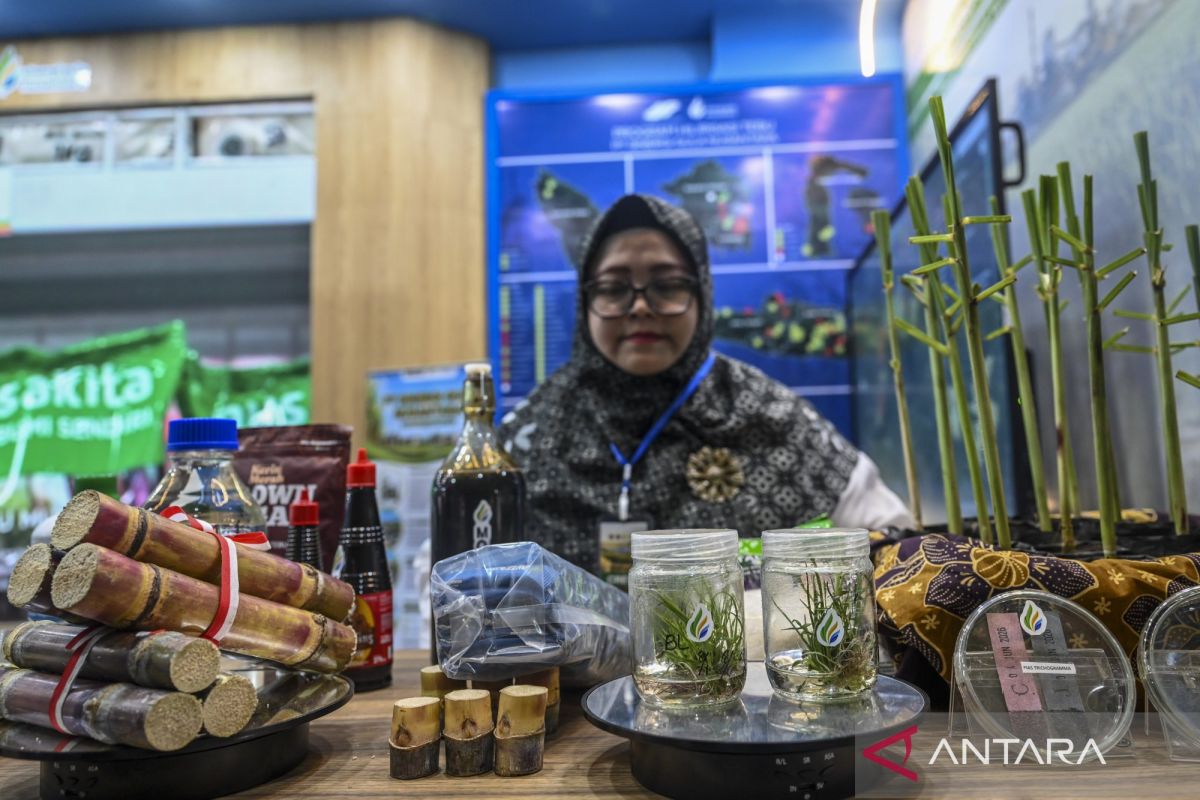
When compared with, say, maize, sugarcane or cassava, sorghum is certainly cheaper.
Jakarta (ANTARA) - Ali Ahmudi Achyak, an energy expert from the University of Indonesia (UI), has assessed that bioethanol produced from sorghum as a feedstock will be more competitively priced compared with bioethanol made from sugarcane or maize.
“When compared, for instance, with maize, sugarcane or cassava, sorghum is certainly cheaper,” Ali said when contacted by ANTARA from Jakarta on Sunday.
He explained that this is because the use of sorghum for bioethanol does not compete with its use in the food sector.
In addition, Ali said, sorghum can grow in places where food crops cannot be planted, so its cultivation can be cheaper or make use of critical land.
“Its seeds are also not as expensive as maize seeds,” Ali added.
Nevertheless, Ali said bioethanol made from sorghum will still be more expensive than fossil-based fuel.
To narrow the price gap between bioethanol and fossil-based petrol, Ali proposed providing incentives such as subsidies for seeds, subsidies for fertiliser, and research into the use of sorghum as a bioethanol feedstock.
“This will eventually form an ecosystem, starting from land management, seeds, fertiliser and trading arrangements, including communities of farmers willing to plant sorghum,” Ali said.
Minister of Energy and Mineral Resources Bahlil Lahadalia said the government is targeting the application of a 10 percent ethanol blend in fuel (E10) starting in 2027 as an initial phase before moving to E20.
Bahlil said the government has been studying a mandatory ethanol policy since 2025. The study is now nearly complete and will serve as the basis for drawing up a roadmap for implementing E20, which is targeted to take place in stages up to 2028-2029.
According to Bahlil, the policy of blending ethanol into petrol aims to reduce Indonesia’s dependence on imported fuel, particularly petrol.