
Expert: Anti-Corruption Law Should Set Out How Business Decisions Are Examined
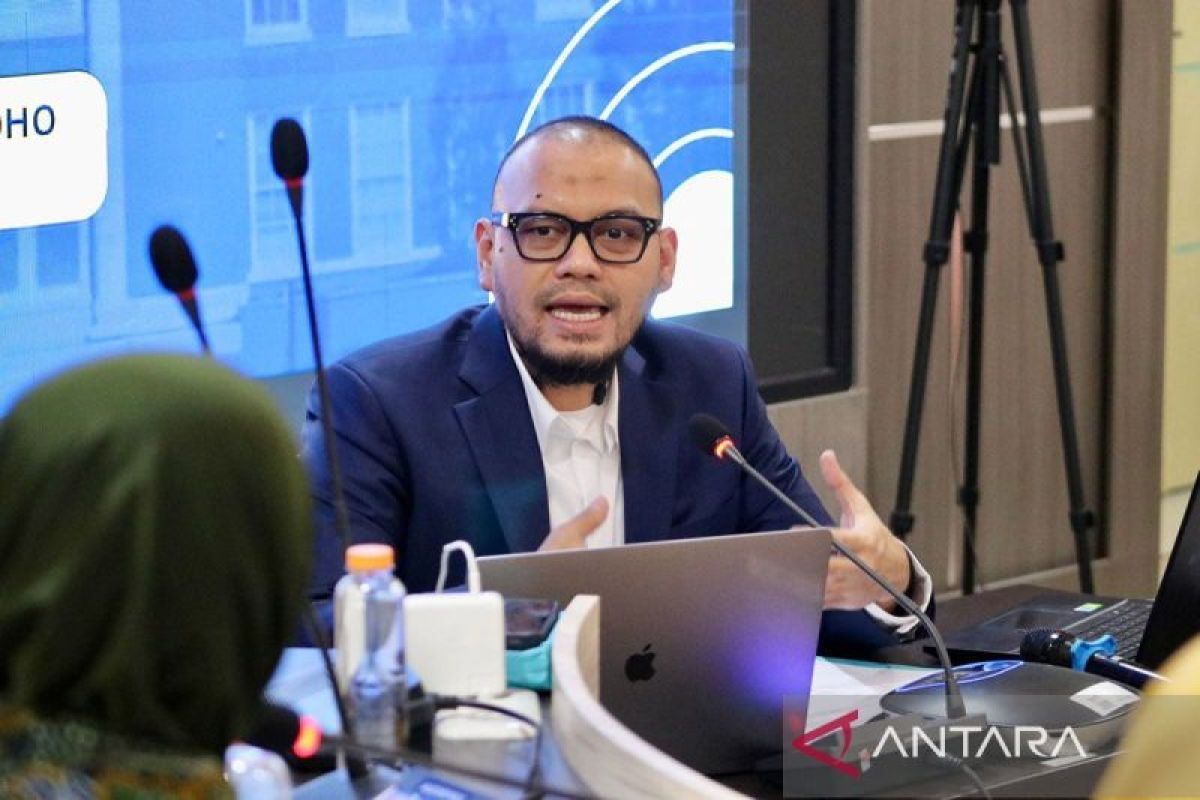
Jakarta (ANTARA) — Legal expert Hardjuno Wiwoho believes amendments to the Law on the Eradication of Corruption should regulate how law enforcement officials examine business decisions.
In a statement received in Jakarta on Saturday, Hardjuno said state losses must still be calculated and proven, but investigators and prosecutors must also demonstrate the unlawful act or abuse of authority that caused those losses.
“An examination should take into account the information available when the decision was made, rather than looking solely at the investment’s outcome after it has incurred a loss,” he said.
Hardjuno’s comments come amid a proposal by the National Economic Council (DEN) to revise the definition of corruption in the current Anti-Corruption Law, replacing it with the definition agreed under the UN Convention against Corruption (UNCAC).
He said the DEN’s proposal was important and had a real-world example in the case of former PT ASDP Indonesia Ferry president director Ira Puspadewi. She was sentenced to four years and six months in prison over the acquisition of PT Jembatan Nusantara before receiving a presidential rehabilitation from Prabowo Subianto in November 2025.
“Directors should not have to face lengthy criminal proceedings over business decisions that later become disputed,” he said.
However, he cautioned against assuming that every decision made by a director is necessarily correct: abuse of authority or manipulation must still be punishable.
Hardjuno explained that existing regulations protect directors who make decisions honestly and prudently. That protection is set out in Article 97(5) of the Company Law.
But when business decisions are examined under the Anti-Corruption Law, he added, the application of that protection can still give rise to differing interpretations.
For example, when a state-owned enterprise (SOE) buys another company, investigators should examine whether the purchase price was reasonable, whether a business assessment had been carried out, whether the proper procedures were followed, and whether the director had a personal interest.
If an examination finds that everything was done properly but the investment later loses money because market conditions changed, he said, that is a business risk.
“By contrast, if the price was deliberately inflated from the outset or a bribe was involved, that is not a business risk that deserves protection,” Hardjuno said.
He also stressed that legal protection for managers of SOEs and Danantara must be accompanied by strong oversight.
That way, he said, safeguards for business decisions would not become a loophole for evading accountability in the management of state funds.
“The government must protect people who make decisions properly, but that protection must not weaken the state’s ability to prosecute the misuse of public money,” he added.
Earlier, President Prabowo Subianto approved the DEN’s proposal to revise the definition of corruption. At a press conference at Merdeka Palace in Jakarta on Tuesday evening (20 October), DEN chairman Luhut Binsar Pandjaitan said the council believed Indonesia’s handling of corruption should meet international standards, and that the definition should therefore be aligned with the convention agreed by UN member states.
“That is important to ensure that the handling of corruption in Indonesia meets international standards,” the DEN chairman said.
Source: jawawa.id (https://jawawa.id/newsitem/expert-anti-corruption-law-should-set-out-how-business-decisions-are-examined-1792821122)
Originally published by Antara (Indonesian) (https://www.antaranews.com/berita/5809075/pakar-uu-tipikor-harus-atur-cara-pemeriksaan-keputusan-bisnis), translated from Indonesian