
Expensive Chips Threaten to Push Up Prices of Mobile Phones and Other Electronics
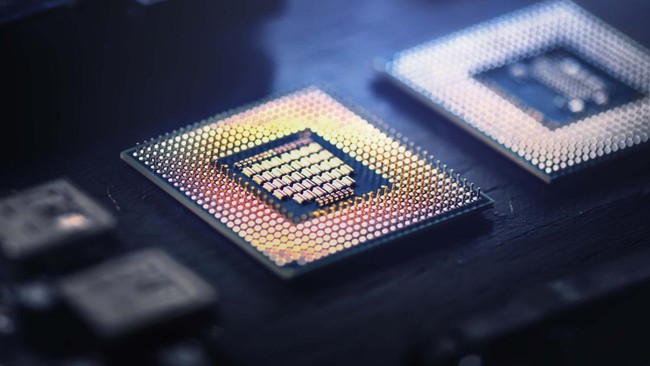
Jakarta — Rising chip prices are becoming a threat to the electronics industry. The increase in component costs could drive up production expenses, which may ultimately be passed on to consumers through higher prices for electronic products.
Industry Minister Muhammad Sarmuji acknowledged that rising chip prices could lead to higher prices for electronic products in Indonesia, as chips are an important component in the manufacture of a wide range of devices.
“Does it have an impact? Of course. One result is that the prices of electronic goods will certainly start creeping up,” Sarmuji said at the Ministry of Industry on Monday (9 November 2026).
Although the prospect of higher prices is becoming apparent, the government hopes the pressure on production costs will not hit the electronics industry too hard. Mitigation measures are considered necessary to help manufacturers sustain their businesses.
Sarmuji said the government hoped there would still be scope to support industry players, particularly through various forms of assistance that could reduce production costs.
“But hopefully this can still be mitigated, and hopefully there will be other forms of compensation and other facilities, so the industry does not face excessive difficulties,” he said.
The pressure from rising component prices is also visible in the global smartphone market. According to Counterpoint Research’s Global Smartphone Price Increase Tracker, average retail prices for smartphones on the global market rose by around 15% over the course of 2026.
Smartphones launched in 2026 were, on average, priced about 25% higher than their predecessor models during the same period a year earlier.
Source: jawawa.id (https://jawawa.id/newsitem/expensive-chips-threaten-to-push-up-prices-of-mobile-phones-and-other-electronics-1794232253)
Originally published by CNBC Indonesia (https://www.cnbcindonesia.com/news/20261109195809-4-783705/chip-mahal-harga-hp-hingga-barang-elektronik-terancam-naik), translated from Indonesian