
Exercise may help lower dementia risk after menopause
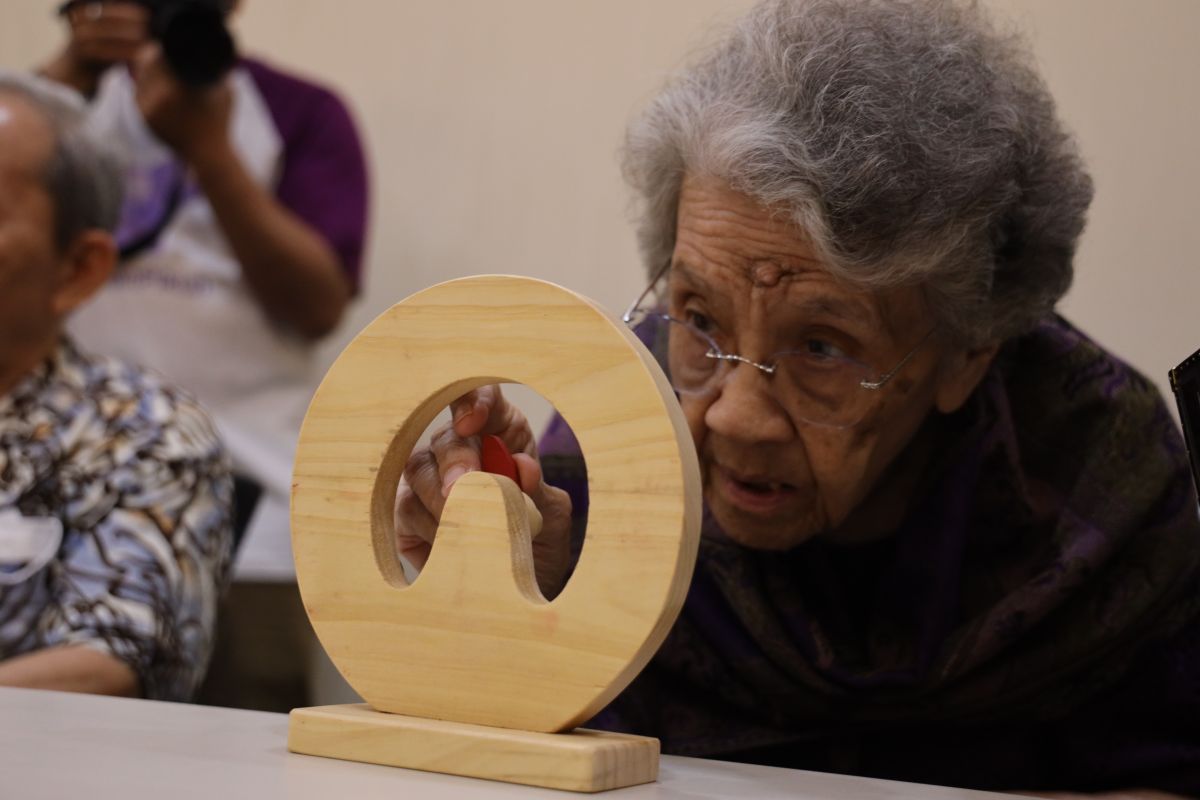
Jakarta (ANTARA) — US neurologists say physical and cognitive exercise may help reduce women’s risk of developing dementia after menopause.
According to a report by Eating Well on Wednesday (4 November), menopause affects not only women’s physical health but also brain function.
Rhonda Voskuhl, MD, a professor of neurology at UCLA and founding neurologist of its Comprehensive Menopause Programme, explained that women’s bodies and brains have many oestrogen receptors. Oestrogen benefits women’s skin, bones, heart and brain.
At this stage, women may experience what is commonly known as “brain fog”, or difficulties with certain cognitive functions. These can include working memory, verbal memory, information-processing speed and the flow of thought.
When the brain no longer receives oestrogen, this can trigger a domino effect.
“Cells in the areas of the brain involved in memory no longer receive support from oestrogen. As a result, they are also unable to support the nerve cells that form connections,” Voskuhl said.
Some women take oestrogen supplements to address menopause symptoms, such as sudden feelings of heat known as hot flushes. This is acceptable when recommended by a healthcare professional.
Voskuhl said exercise could have a positive effect on the three main types of dementia: Alzheimer’s disease, vascular dementia and a combination of the two. She also noted that two-thirds of Alzheimer’s cases occur in women.
“When considering these three types of dementia, exercise is very important because it can affect the cardiovascular system,” Voskuhl said.
Put simply, when blood vessels are not blocked, more blood can flow to the brain.
“Physical activity can support brain health in two ways: indirectly, by reducing cardiovascular problems, and directly, through factors that support brain health. This is very interesting. That is why we need physical activity,” she said.
Such activity can include cardiovascular exercise that raises the heart rate, such as cycling, brisk walking, jogging and swimming, as well as muscle-strengthening exercises.
She recommends doing cardio three times a week, for 30 minutes per session. This can be followed by 30 minutes of weight training to improve bone health.
In addition to physical exercise, Voskuhl recommends cognitive training, but not simply ordinary brain-training games. She suggests activities that exercise verbal memory, information-processing speed and concentration.
She also advises trying to learn new things, as this can stimulate the brain.
Diet also plays an important role in maintaining brain health.
Alongside physical and cognitive exercise, Voskuhl recommends eating nutritious food and maintaining social connections with friends and family.