
Excluded from Social Aid, Middle Class Squeezed by Rising Energy Prices
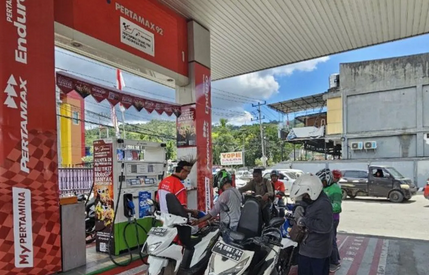
The increase in energy prices, particularly for non-subsidised fuel (BBM), is beginning to exert significant pressure on the domestic economic structure. Micro, Small, and Medium Enterprises (MSMEs) and the middle-class population have been identified as the segments most vulnerable to these shocks in living and operational costs.
The Head of the Macroeconomics and Finance Centre at the Institute for Development of Economics and Finance (Indef), M. Rizal Taufikurahman, emphasised that the government needs to immediately balance energy pricing policies with measures that sustainably maintain public purchasing power.
According to Rizal, the middle class and those on the threshold of the middle class (the aspiring middle class) often find themselves in a difficult position. They generally do not qualify for social assistance (bansos) schemes, yet they are directly exposed to rising energy, transport, and living costs.
“This group specifically includes formal workers, MSME actors, and fixed-income households. Yet, the middle class serves as the backbone of domestic consumption that supports national economic growth,” Rizal stated when contacted on Thursday (11/6).
Indef suggests that the government should not rely solely on short-term cash assistance, which is merely temporary. There are several strategic steps deemed more effective in suppressing the rise in living costs while maintaining economic growth momentum.
In addition to providing stimulus, Rizal emphasised the importance of improving the governance of energy subsidies to ensure they are more targeted. Strict supervision is required so that the state budget is truly allocated to protect productive yet vulnerable groups.
“By maintaining the purchasing power of the middle class and improving subsidy governance, the government will not only mitigate the impact of non-subsidised fuel price increases but also maintain fiscal stability and the momentum of national economic growth,” he concluded.