
Exchange Rate Dynamics and the Momentum for Indonesia's Tourism Transformation
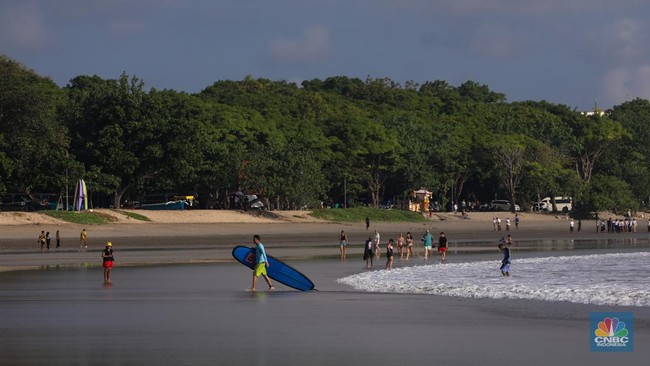
The weakening of the rupiah against the US dollar and other currencies throughout the first half of 2026 has created a contrasting economic narrative. While economists and businesses worry about rising production and living costs, tourist destinations are experiencing a surge in activity. For foreign tourists, a weaker rupiah translates to significantly cheaper holidays, an unrequested but enthusiastically utilised ‘exchange rate discount’. Statistics support this trend, with the Central Statistics Agency (BPS) recording 6.07 million foreign tourist arrivals from January to May 2026, a 7.68% increase compared to the same period in 2025. Simultaneously, outbound travel by Indonesian citizens fell by 3.88%, with many redirecting their travel plans to domestic destinations, boosting domestic tourism trips by 2.86% to 523 million.
The Ministry of Tourism views this as a strategic opportunity to attract foreign tourists and increase foreign exchange earnings. However, this is a structural windfall, not a result of deliberate policy. A sustainable tourism industry cannot rely on a perpetually weak currency, especially as the government will inevitably seek to stabilise the rupiah to protect manufacturing costs and public purchasing power. The focus must therefore shift from merely capitalising on the current moment to using it as a launchpad for fundamental transformation.
The primary temptation during a tourism boom is ‘aji mumpung’, or opportunism—arbitrarily raising prices, lowering service standards, or exploiting tourists’ unfamiliarity. This must be avoided. In the age of social media and online reviews, a single negative experience can damage a destination’s reputation globally within hours, while a satisfied visitor becomes a powerful, organic ambassador. Furthermore, the additional revenue generated by the surge should be reinvested immediately. Both private businesses and the government, which benefits from increased tax and non-tax revenue, must channel funds into human resource training, service certification, digitalisation, and public infrastructure improvements before the favourable exchange rate window closes.
This momentum also provides a chance to diversify beyond Bali. While Bali remains a primary magnet, interest in Jakarta, Bandung, Batam, and Bintan is growing. The government should aggressively promote destinations further afield, such as Labuan Bajo, Wakatobi, Raja Ampat, and Belitung, by packaging them with established entry points. Ultimately, Indonesia must build its tourism identity on unique experiences and quality, not on being a cheap destination. By developing segments like wellness tourism, voluntourism, and soft tourism, the country can attract higher-spending visitors and increase foreign exchange earnings without compromising its social and environmental carrying capacity. Crucially, the benefits of this tourism boom must reach the grassroots level, ensuring that local micro, small, and medium enterprises are integrated into the supply chain and can genuinely prosper from the influx of visitors.
Source: jawawa.id (https://jawawa.id/newsitem/exchange-rate-dynamics-and-the-momentum-for-indonesias-tourism-transformation-1785315127)
Originally published by CNBC Indonesia (https://www.cnbcindonesia.com/opini/20260729134945-14-754752/dinamika-kurs-nilai-tukar-momentum-transformasi-pariwisata-indonesia), translated from Indonesian