
Examining the Handling of Coal Gangue Waste in China's Mines
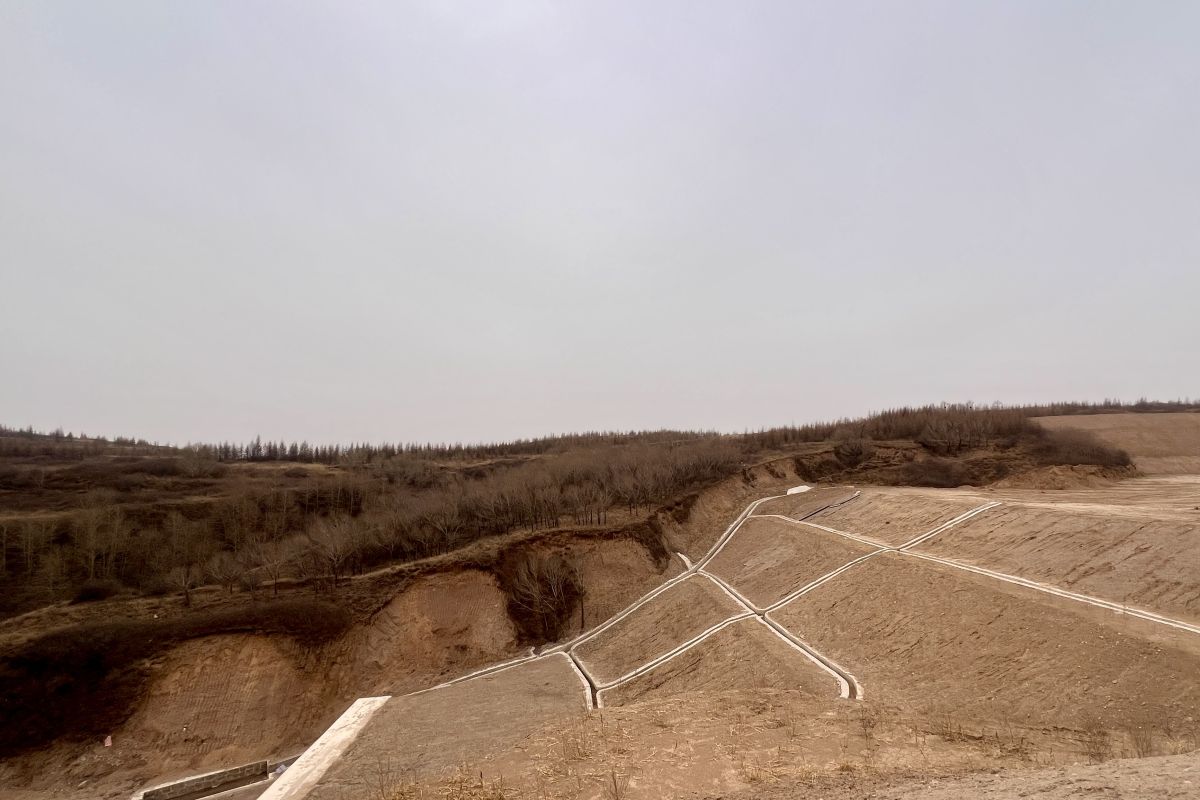
In Dujiagou Village, Datong City, northern China’s Shanxi Province, rows of neatly arranged coal gangue slopes are now sprouting new shoots of amorpha shrubs, gradually forming a green ecological barrier. Following meticulous scientific planning and restoration, the former waste dumpsite filled with dust has shed its old image of exposed piles and flying dust. This transformation reflects Shanxi’s ongoing efforts to tackle the environmental challenges posed by coal gangue, a solid waste produced during coal mining and processing. From 1 April 2026, Shanxi Province will officially implement the Shanxi Coal Gangue Ecological Backfilling Implementation Plan, aimed at addressing long-standing challenges in large-scale waste disposal. As one of China’s major coal-producing regions, Shanxi has faced mounting pressure in recent years due to the enormous annual volume of coal gangue generated, coupled with vast legacy stockpiles and limited disposal capacity. The Changchunxing Coal Mine, operated by the Shanxi Coking Coal Group and designated as a provincial-level green mine, has encountered similar challenges. To address these issues, the company has adopted ecological backfilling methods for coal gangue, exploring new approaches to high-standard environmental management. Coal gangue, a byproduct of coal mining and washing, has long posed environmental risks when stockpiled openly. Such waste piles can cause dust pollution and groundwater contamination through leaching, while traditional disposal methods often involve high handling costs and persistent environmental hazards. Over decades, this has been a heavy ecological burden for coal-producing areas. At several gangue disposal sites in the mine, a range of environmental protection facilities have been constructed, including monitoring wells, horizontal and vertical drainage systems, retaining dams, and slope protection structures. Heavy machinery such as loaders, rollers, and water-spraying trucks are used on site, while gangue is stacked layer by layer, covering the ground from inside to outside and from bottom to top. The project also utilises natural valleys to absorb and store the gangue. By leveraging the natural terrain, the system incorporates anti-seepage measures, drainage channels, and soil cover facilities to ensure environmental safety. According to Wei Xin, head of the ecological and environmental protection department at the Changchunxing Coal Mine, this approach not only enhances geological stability and effectively prevents landslides or collapses but also curbs leachate pollution and suppresses dust dispersion, significantly reducing environmental risks compared to traditional open disposal systems. Efforts to promote high-standard coal gangue handling have also yielded economic benefits. The company conducted in-depth research on policies related to mine environmental restoration funding and actively communicated with relevant authorities, successfully incorporating gangue handling costs into the funding scope. Through this policy innovation, the cost of coal gangue disposal has dropped from 47 yuan (approximately 6.8 US dollars) per tonne to 37 yuan (approximately 5.4 US dollars) per tonne, saving the company around 15 million yuan annually. Beyond environmental protection and cost reductions, the ecological backfilling method also aids in land resource revitalisation. Utilising natural valleys to absorb gangue eliminates the need to acquire new land for waste disposal sites, significantly saving on infrastructure and operational costs. Once covered with soil and reclaimed, the filled areas can be converted into farmland, forests, or grasslands. This process not only restores the functionality of previously unused valleys into productive land but also increases available land supply, alleviates land constraints in mining areas, and practises the concept of simultaneous mining, restoration, and ecological recovery. From addressing long-standing mine waste disposal issues to opening up compliant and cost-effective handling pathways, Shanxi is exploring new routes for an energy transition that prioritises ecological protection and green development. Across the coal-rich Shanxi Province, areas once dominated by black mine waste mountains are gradually being transformed into fertile land, building material bases, and even green energy facilities, demonstrating how traditional resource industries can move towards a more sustainable future.