
Examining the Escalating Imbalance in the Nuclear Non-Proliferation Regime
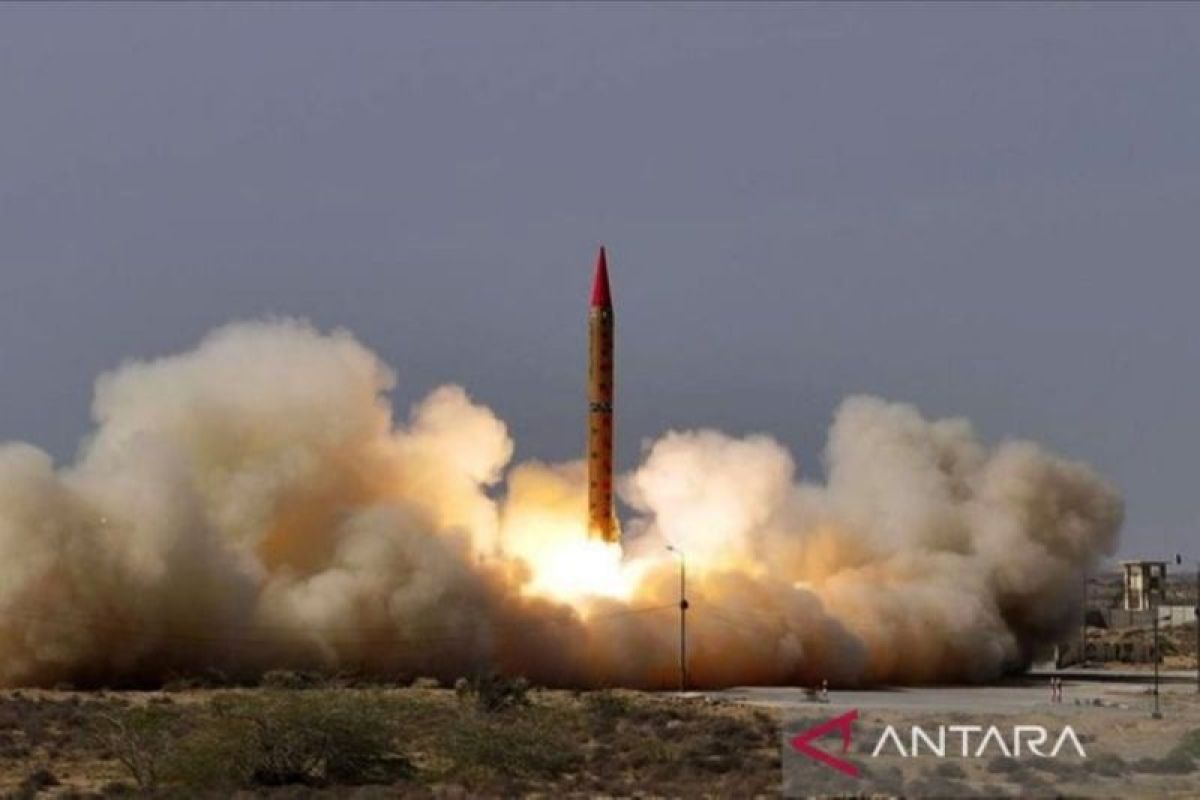
The world is entering a strategic landscape that is no longer fully understood. Three decades after the Cold War ended, when many believed nuclear threats were fading with the collapse of old ideological barriers, history has taken a turn.
The logic of an arms race has resurfaced in a more complex, fluid, and harder-to-map form. The nuclear non-proliferation regime, a legal architecture that for decades kept the world below the threshold of destruction, now faces mounting pressures from multiple fronts.
Strategic competition between major powers is hardening, and arms control diplomacy is losing momentum. Meanwhile, military technology is advancing faster than international law can regulate.
This combination has created the most feared risk in global security calculations: strategic miscalculation.
In a security ecosystem dominated by rapid-response systems, hypersonic missiles, and AI-driven algorithms, misreading an adversary’s signals no longer takes days to escalate into a crisis. Within minutes, or even seconds, radar sensor disruptions or minor technical glitches could trigger escalations that no one is truly prepared to bear the consequences of.
The Stockholm International Peace Research Institute (SIPRI) Yearbook 2025 paints an alarming picture. As of January 2025, global nuclear warhead stockpiles are estimated at around 12,241, with approximately 9,614 in active military inventories, some of which remain on high operational alert.
The significance of these numbers lies not merely in their destructive potential, but in the political implications they carry.
After years of post-Cold War arsenal reductions, the historical trend has reversed. Nuclear-armed states are no longer focused on cutting their arsenals but accelerating the modernisation of their strategic systems.
The United States is continuing its nuclear triad modernisation programme through the development of Columbia-class submarines, the B-21 Raider strategic bomber, and the Sentinel intercontinental ballistic missile.
Russia is simultaneously bolstering its strategic posture, including through the development of the RS-28 Sarmat intercontinental ballistic missile and the Avangard hypersonic system.
China is also advancing its defensive capabilities as part of its long-term military modernisation, which Beijing describes as necessary for minimum national defence.
These three power axes operate under the same logic: in such a race, falling behind is often seen as equally dangerous as losing.
The main issue