
Examining Indonesia's Path to Energy Independence
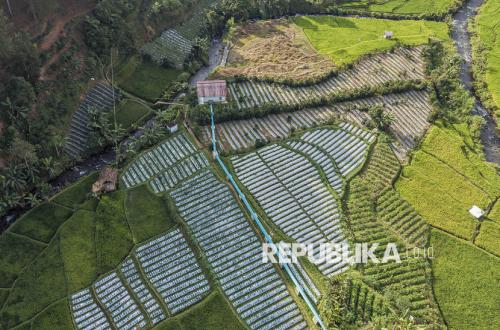
National energy resilience does not always have to begin with large projects and complex technology. The idea of energy independence often emerges from something close to everyday life.
How resources that have been considered simple can be processed into energy that is useful and has economic value for society. For example, in late 2025, M Ikhlas Thamrin and his team stirred the nation by introducing an alternative fuel made from straw called Bobibos.
Straw, which contains cellulose, hemicellulose, lignin, and glucose, according to a BRIN researcher, does have the potential to be converted into alternative energy.
The emergence of Bobibos drew mixed responses. BRIN stated it was open to testing and reviewing the innovation. Meanwhile, Gaikindo welcomed the new fuel innovation positively, but emphasised the need for more detailed data regarding its characteristics and performance before providing further assessment.
Thamrin said Indonesia has substantial capital to build energy independence. The challenge is how to transform the potential spread across various regions into energy that can be utilised widely, sustainably, and with added value.
“Bobibos was born from second-generation biomass, namely waste, particularly straw, and if this receives a portion and attention from the government to be nurtured, then this is the momentum for Indonesia to become a world leader in turning biomass into energy. Bobibos is ready,” said Thamrin.
In early March 2026, as the escalating Middle East conflict affected world oil prices, Bobibos once again became a topic of discussion. Bobibos patron Mulyadi even said Bobibos was ready to become an alternative fuel for the Indonesian people.
“We are ready; what we need is regulation, investment, and protection because this is an alternative, not a replacement,” Mulyadi told Republika at the time.
The government has also continued efforts to develop the use of renewable energy from local raw materials, in order to realise the target of energy independence by 2029. One of these efforts was the implementation of the B50 mandate on 1 July 2026.
The Ministry of Energy and Mineral Resources (ESDM) said the implementation of B50 biodiesel is the result of a biodiesel development programme carried out in stages since the implementation of biodiesel blending in the previous decade.
“B50 was not decided instantly,” said Cahyo Setyo Wibowo, Coordinator of the Downstream Oil and Gas Testing Working Group at the Ministry of ESDM, in a discussion on the implementation of B50 on the sidelines of the Gaikindo Indonesia International Auto Show (GIIAS) 2026 at ICE BSD, Tangerang, Friday (7/8/2026).
Indonesia’s biodiesel development has been carried out in stages, starting from B15 in 2015, then B20, B30, up to B35 in 2023. B40 then began to be implemented on 1 January 2025. Finally, B50 was officially launched in 2026.
B50 means a mixture of 50 percent plant-based biodiesel with 50 percent diesel. The government has positioned it as an instrument to reduce diesel imports, strengthen energy security, increase the added value of palm oil, and promote energy independence.
However, researcher and lecturer at the Faculty of Economics and Business at Padjadjaran University, Yayan Satyakti, assessed that the implementation of the B50 biodiesel mandate needs to be supported by biodiesel governance capable of balancing energy, economic, social, and environmental interests.
According to Yayan, the success of B50 implementation is not solely determined by increasing the biodiesel blend ratio, but also by technological readiness, raw material productivity, regulatory certainty, and institutions that manage funding, incentives, and the biodiesel supply chain.
“Increasing the biodiesel blend must be accompanied by increased productivity, technological readiness, institutional strengthening, and regulatory certainty. This is important to support long-term energy security,” said Yayan some time ago.
Yayan said energy security is not only related to the availability of energy supply, but also encompasses aspects of consumption, distribution, affordability, accessibility, and sustainability.
He assessed that biodiesel governance must be able to manage funding and incentives, increase raw material productivity, strengthen technological readiness and supply chains, and maintain a balance of economic, social, and environmental impacts from the implementation of the policy.