
Ex-Finance Minister Outlines Challenges for New BI Governor: From Guarding the Rupiah to Boosting Growth
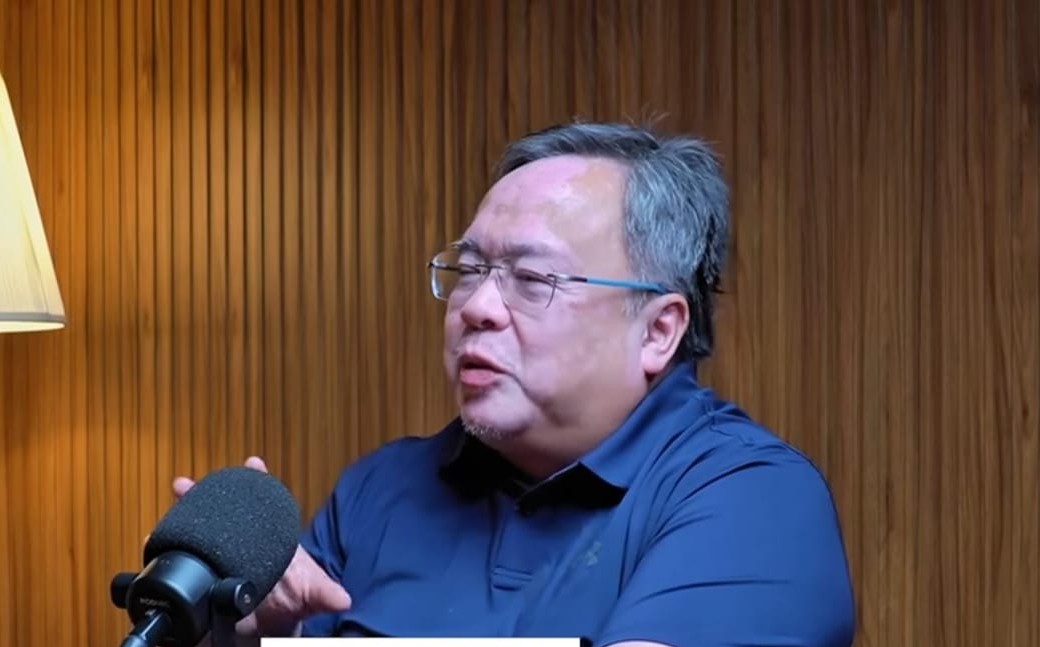
Former Finance Minister and CEO of the Asian Development Bank Institute, Bambang Brodjonegoro, has outlined the major challenges and tasks for the next Governor of Bank Indonesia (BI). He highlighted the central bank’s limited room for manoeuvre in maintaining rupiah exchange rate stability due to Indonesia’s relatively modest foreign exchange reserves. “The Bank Indonesia Governor, whose foreign exchange reserves are not very large because currently they are equivalent to about five and a half months of import needs, does not have many options that can be taken,” Bambang said, as quoted from the Hendri Satrio Official YouTube channel on Friday. Nevertheless, he stressed that BI must still strive to strengthen the rupiah exchange rate continuously. This effort is carried out through monitoring daily inflation figures, intervening in financial markets, and optimising interest rate instruments. The former Minister of National Development Planning assessed that the central bank’s duties are no longer limited to safeguarding monetary stability but are also required to play an active role in driving national economic growth. “Indonesia can be better than it is now. The rupiah’s condition should be able to strengthen further, always paying attention to monthly inflation, maintaining stability through intervention, through interest rate increases, and so on. Now, it is also added with participating in encouraging economic growth,” said Bambang. Regarding the leadership transition at the central bank, Bambang asserted that the resignation or replacement of a BI Governor would not paralyse the institution. This is because the strategic decision-making process at BI adheres to a collective collegial principle held by the Board of Governors. “So when there is a resignation of the Bank Indonesia Governor, it does not mean BI is paralysed, because the Board of Governors mechanism continues to run. The Board of Governors Meeting continues in the same period. Nothing stops or is paralysed,” he stressed. According to Bambang, the market’s main focus is not merely the figure of the leader, but the consistency of the resulting monetary policy direction. As long as the instruments and policies adopted remain consistent and acceptable to the market, the potential for financial turmoil due to a leadership change will be temporary.