
Ewindo Strengthens Collaboration with UGM to Safeguard Vegetable Genetic Bank
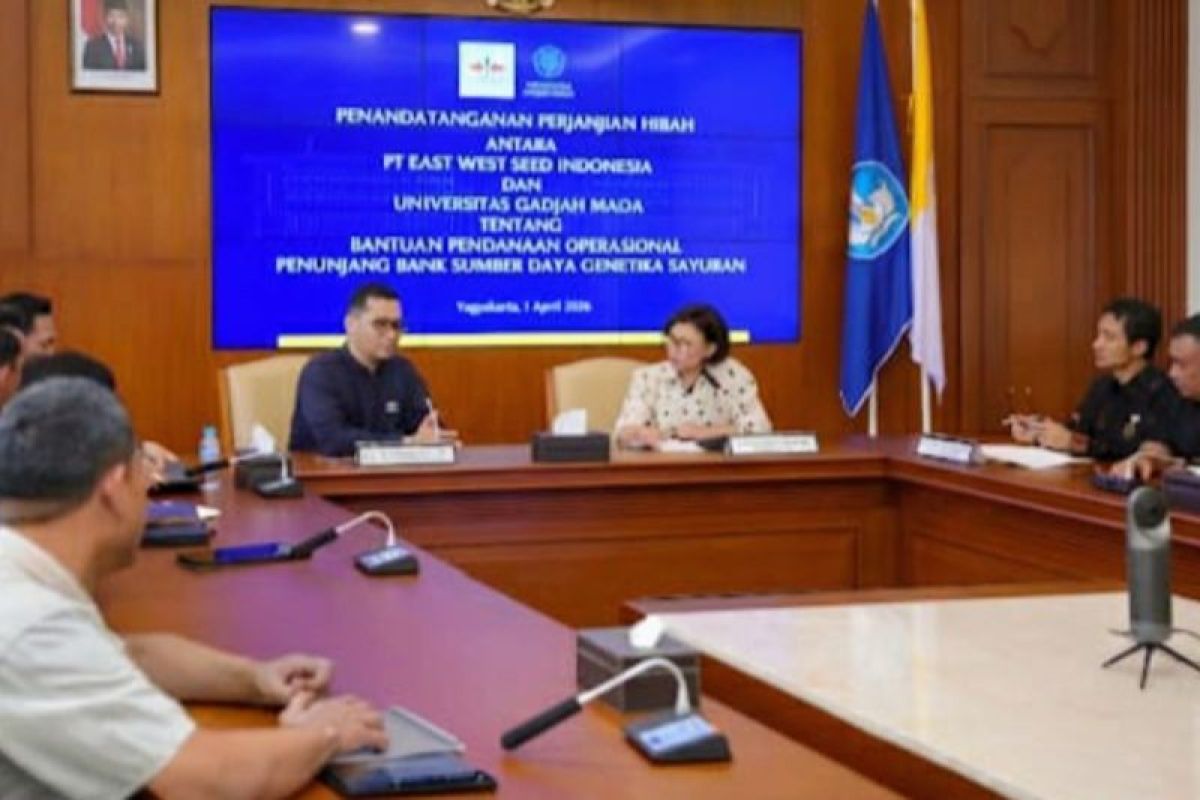
Without systematic conservation efforts, Indonesia risks losing the plant genetic wealth that forms the main foundation of food production. Purwakarta (ANTARA) - Seed company for vegetables in Purwakarta Regency, West Java, PT East West Seed Indonesia (Ewindo) is strengthening its collaboration with Universitas Gadjah Mada (UGM) in maintaining food system sustainability through the development of the Vegetable Genetic Resources Bank. Ewindo President Director, Glenn Pardede, in his statement in Purwakarta on Monday, said that as the main foundation of agriculture, superior seeds play an important role in the national food system, determining productivity, resilience to climate change, and harvest quality. “Amid global challenges such as the climate crisis, land degradation, and loss of biodiversity, efforts to maintain plant genetic resources are becoming increasingly urgent,” he said. According to him, without systematic conservation efforts, Indonesia risks losing the plant genetic wealth that forms the main foundation of food production. Through the collaboration that has been ongoing since 2018 and strengthened again in April 2026, both institutions are committed to preventing genetic erosion, preserving Indonesia’s native plant genetic wealth, while promoting downstream development to strengthen national food security. This step is important amid the pace of global genetic erosion due to agricultural modernisation and the loss of local varieties. To date, he said, more than 2,000 accessions of Indonesia’s local plant genetic wealth have been successfully collected, covering various types of vegetables such as tomatoes, cucumbers, carrots, bitter gourd, eggplant, celery, paprika, pumpkin, okra, chillies, and other commodities gathered from various regions in Indonesia. Its existence becomes an important fortress in facing the threat of genetic erosion that can directly impact national food security. It was mentioned that without interventions like this, many local varieties have the potential to disappear before they can be utilised for future agricultural development. Glenn emphasised that investment in seeds is a long-term investment for Indonesia’s food system. Therefore, the collaboration between Ewindo and UGM aims, among other things, to ensure that these genetic resources are not only protected but can also be utilised to produce superior varieties that are adaptive, productive, and relevant to future needs. Through synergy between the academic world and industry, the Vegetable Genetic Bank is expected to become a strong foundation in maintaining Indonesia’s biodiversity, while ensuring the availability of sustainable superior seeds. UGM Rector, Prof Ova Emilia, said that strengthening the upstream sector through genetic conservation is a strategic step in building a sustainable food system. “If we talk about developing superior seeds, it will reach people’s habits in processing and consuming them. By understanding the supply chain from the source, we can ensure the quality and nutrition of commodities. Plant genetic resources need to be conserved together,” she said. In the future, UGM and Ewindo will strengthen and expand this programme through “collecting” activities in various regions in Indonesia by involving students in the Kuliah Kerja Nyata (KKN) programme. These students will be equipped with training related to seed collection techniques according to standard operational procedures, as well as conducting exploration and identification of local plant genetic wealth in their assigned areas. This step not only enriches the national genetic collection but also fosters awareness among the younger generation of the importance of conserving genetic resources.
Source: jawawa.id (https://jawawa.id/newsitem/ewindo-strengthens-collaboration-with-ugm-to-safeguard-vegetable-genetic-bank-1775616731)
Originally published by Antara (Indonesian) (https://www.antaranews.com/berita/5514657/ewindo-perkuat-kerja-sama-dengan-ugm-jaga-bank-genetik-sayuran), translated from Indonesian