
Evidence of Transactions Shows Recruitment of Children in Riots is Not an Isolated Incident
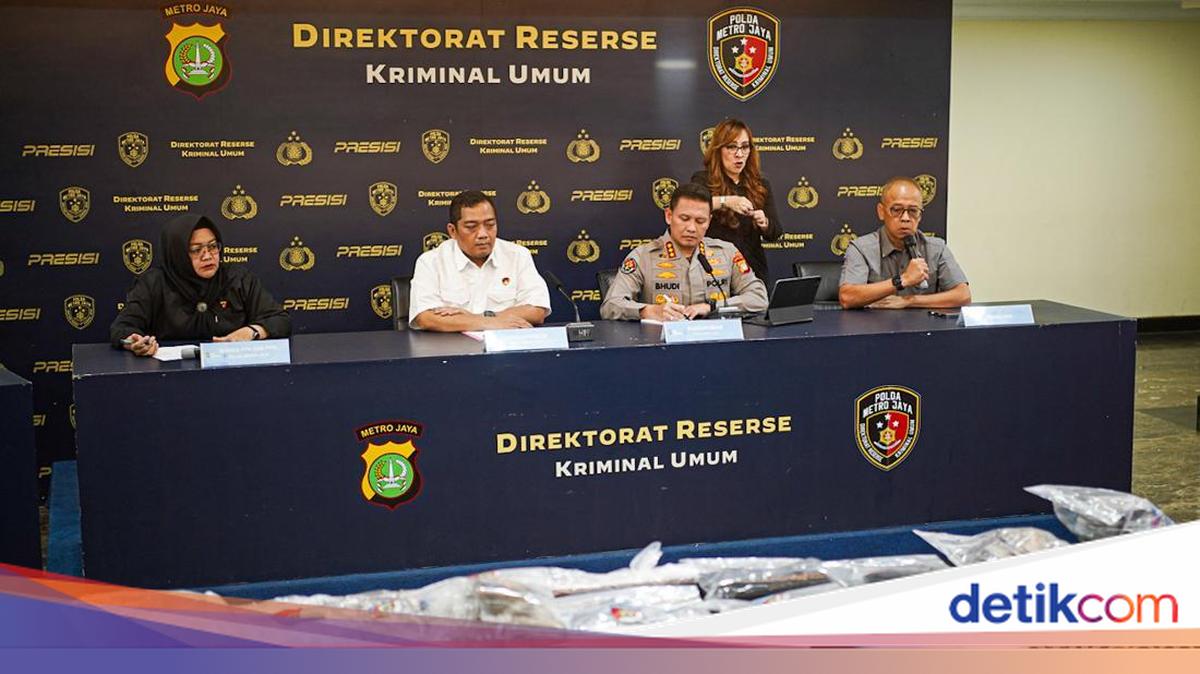
The Metro Jaya Regional Police are investigating allegations of child exploitation during the riots on 27 August 2026. Based on the examination of financial transaction evidence, it has been revealed that the recruitment of underage children is not a first-time occurrence.
“From several child victims we examined, the available evidence shows transaction records indicating that the recruitment of children is not a new phenomenon, but appears to be recurring,” said the Director of PPA and PPO Investigation, Kombes Rita Wulandari Wibowo, during a press conference at the Metro Jaya Police Headquarters on Saturday (12/9/2026).
Following the discovery of these transaction records, the police expanded their investigation. The number of suspects has increased from one to three individuals, all of whom are now officially in custody.
“That is why we have conducted deep investigations and expanded our scope, resulting in one name developing into three names that we have now detained. This may expand further as we continue to work with the General Criminal Investigation Directorate to uncover the intellectual actors behind this,” she stated.
Kombrings Rita explained the reasons why children are vulnerable targets for exploitation. She noted that children belong to a vulnerable group that is easily influenced and provoked.
“Why recruit children? Because these children are part of a vulnerable community; as we mentioned, they are highly susceptible to provocation,” she added.
In addition to the lure of wages amounting to tens of thousands of rupiah, children are often driven by a sense of peer solidarity. “To us, values of Rp 35,000, Rp 40,000, or Rp 50,000 might seem small, but it is enough to make these children easily follow the will of the recruiters,” Rita explained.
“Ultimately, it is not just about the money; during their period of character formation and socialising, they find meaning in togetherness. However, they do not understand the inherent vulnerabilities they possess,” she continued.
She noted that psychological conditions and mass communication are particularly dangerous, as children may unintentionally become victims or perpetrators of criminal acts. “When one or two people provoke them, these children do not understand how to react, leading them to either become victims or perpetrators. For example, during a riot, they may participate in attacking officers or damaging public facilities,” she explained.
Three suspects recruiting children for the 27 August riots have been arrested. The Sub-directorate of PPA and PPO of the Metro Jaya Police Criminal Investigation Directorate arrested three suspects: a man identified as B, a woman identified as N, and a man identified as F, also known as P. By mobilising children to riot locations, the suspects amassed personal profits totalling Rp 3.4 million.
“They influenced and provoked children to participate in protests using monetary incentives,” said Rita.
The breakdown of children recruited by the suspects is as follows:
Suspect B recruited 53 children, promising each Rp 55,000.
Suspect N recruited 22 children, with planned wages of Rp 50,000 each.
Suspect F (alias P) recruited 8 children, with planned payments of Rp 40,000 each.
Based on bank account tracking and transfer evidence, suspect B earned Rp 2,350,000, suspect N earned Rp 852,500, and suspect P earned Rp 250,000. In total, the perpetrators accumulated profits of Rp 3,452,500.
“The evidence in this case proves that they utilised children for activities lacking any safety guarantees,” she asserted.
Dozens of these children were successfully intercepted and secured by police officers before they could reach the riot locations.
For their actions, the three suspects have been imprisoned and charged under Article 76 letter h in conjunction with Article 87, and Article 76 letter i in conjunction with Article 88 of Law Number 35 of 2014 concerning Child Protection, specifically regarding the economic exploitation of children.