
Every City Has a Flavour, Every Journey Has a Story
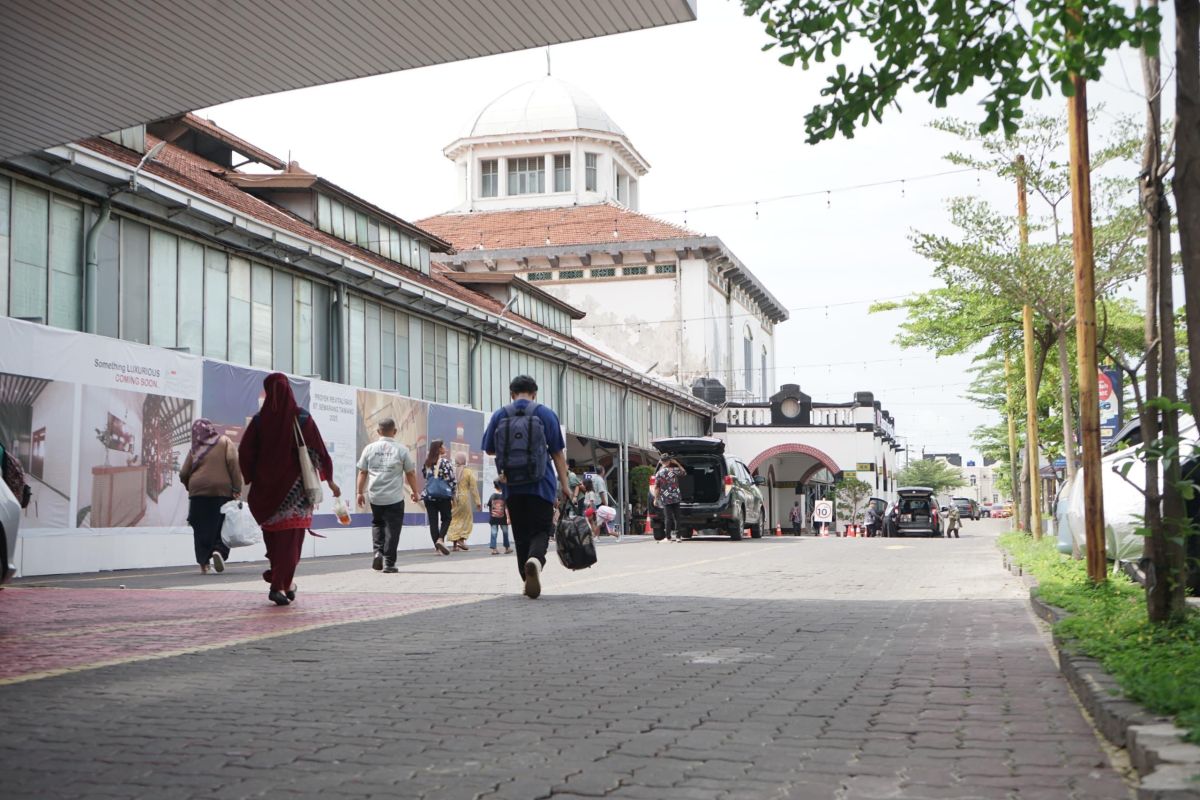
Jakarta (ANTARA) – Some flavours make people want to return to a city: a warm bowl of timlo in Solo, Semarang spring rolls, freshly fried mendoan in Purwokerto or Cirebon’s distinctive empal gentong. Every dish has a story, and sometimes the desire to enjoy a favourite meal is a simple reason to plan a weekend trip.
Along the railway lines, these culinary stories connect with one another. PT Kereta Api Indonesia (Persero) recorded 2,114,131 passengers on the Joglosemarkerto, Lodaya and Ranggajati services from January to September 2026, a 10.46% increase on the 1,913,930 passengers recorded in the same period in 2025. The three services link cities with diverse culinary traditions, cultures and customs.
According to KAI data, passenger numbers on the three services developed as follows:
The Joglosemarkerto, a circular service linking Solo, Yogyakarta, Purwokerto, Tegal and Semarang, carried 1,104,419 passengers, up 9.73% from 1,006,467 in 2025.
The Lodaya, which runs between Bandung and Solo Balapan in both directions, carried 506,637 passengers, up 7.54% from 471,094.
The Ranggajati, which runs between Cirebon and Jember in both directions via Surabaya Gubeng, carried 503,075 passengers, up 15.29% from 436,369.
KAI Vice-President of Corporate Communications Anne Purba said culinary travel was an enjoyable way to get to know the character of a region. Through food, people can discover stories about traditions, family customs and recipes passed down through generations.
“Every city has food that makes people want to return. Some miss a traditional Solo breakfast, want to enjoy spring rolls straight from Semarang, or seek out their favourite empal gentong in Cirebon. Trains connect these cities, making a weekend trip an opportunity to enjoy different flavours while getting to know local life,” Anne said.
The culinary story is close at hand on the Joglosemarkerto. Passengers can plan a visit to Solo for timlo, nasi liwet, selat Solo and serabi. They can make a separate trip to Yogyakarta, known for gudeg and bakpia, or to Semarang for spring rolls, tahu gimbal and bandeng presto. In Purwokerto, warm mendoan is a familiar part of everyday life. The range of cities means culinary trips can be planned around the time available.
The Lodaya offers a different experience, linking Bandung and Solo. From batagor, mi kocok and surabi in Bandung, passengers travel to Solo and its rich traditional cuisine. The Ranggajati, meanwhile, offers journeys from Cirebon—known for empal gentong, nasi jamblang and tahu gejrot—towards East Java. Surabaya offers rawon and rujak cingur, while Jember has local specialities such as suwar-suwir and pecel pincuk, which form part of the region’s culinary identity.
Behind these dishes are the activities of local people, which help bring the experience of visiting a city to life. Traditional markets, family-run food stalls, sellers of local specialities and food districts give visitors the chance to interact directly with local communities. Every stop offers an opportunity to discover a region through its flavours and atmosphere.
Anne explained that the growth in passenger numbers on the three services reflects a range of travel needs, including work, education, family visits and tourism. The data do not specifically show the number of culinary tourists, but they indicate high levels of travel on services connecting cities with rich food cultures.
“Often, it is the simple things that make a journey memorable: sitting in a food stall that has been open for decades, hearing a seller talk about a family recipe, or finally tasting food that you have only heard about from other people. Experiences like these help us appreciate Indonesia’s diversity. Trains carry people from one city to another, while the flavours, traditions and stories of local communities make them want to repeat the journey,” Anne concluded.