
EV Tax Should Be Based on Fairness, Not Just Regional Revenue
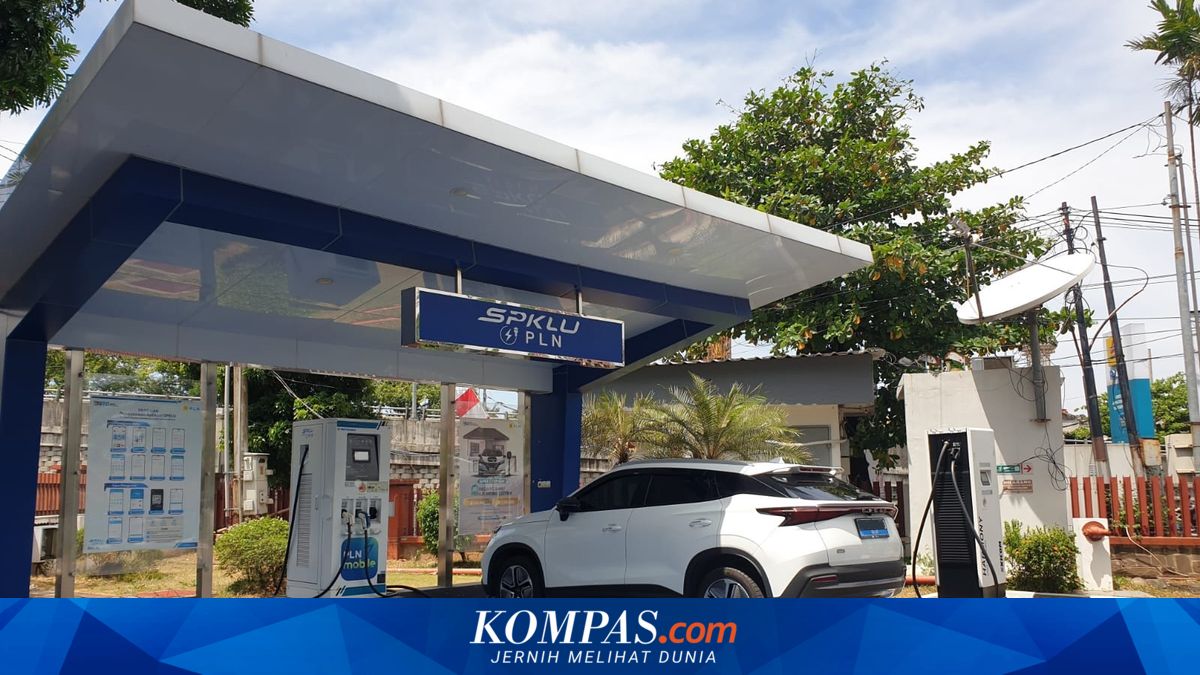
JAKARTA, KOMPAS.com - The discussion on imposing tax on electric vehicles has resurfaced as the adoption of electric cars in Indonesia rises. Meanwhile, the incentive scheme currently in place remains a key factor in driving the growth of the EV market.
Electric vehicles currently still receive incentives in the form of exemptions or reductions of the Motor Vehicle Tax (PKB) and the Vehicle Transfer Duty (BBNKB) in several regions. The provisions refer to the Minister of Home Affairs Regulation (Permendagri) Number 11 of 2026 on the Basis for Imposing PKB, BBNKB, and Heavy Equipment Tax, which continues to allow space for incentives for battery-powered electric vehicles.
In response, Andry Satrio Nugroho, Head of Industrial and Transport Decarbonization at the INDEF Green Transition Initiative (GTI), emphasised that electric vehicle tax policy must remain based on fairness, not merely to chase regional revenue.
He said that a progressive tax scheme could be an option of last resort if motor vehicle tax policy must be implemented.
“If this progressive tax really becomes the last option, of course the hope is not that it will be chosen. But if motor vehicle tax must be implemented, the win-win solution would be to levy tax on second and subsequent owners,” Andry told Kompas.com on Friday, 22 May 2026.
He stressed that the first electric vehicle should remain exempt from tax to promote early adoption in the transition to low-emission vehicles.
“So the hope is to provide incentives to those early adopters. Those who have just one vehicle for electric power, we could exempt. But when they are already second and subsequent owners, this is what, in my view, could be taxed,” he said.
Andry also explained that motor vehicle tax functions as a charge related to the use of public infrastructure such as roads and public transport. Therefore, in his view, tax policy must still consider fairness for vehicle users.
“If we can say that the earmark of motor vehicle tax is for road needs, i.e., road improvements and public transport are financed by motor vehicle tax,” he said.
In addition, he highlighted the importance of coordination between local governments and vehicle administration systems like Samsat if a progressive EV tax scheme is to be implemented effectively.