
EV Sales in Australia Hit Record High for Fifth Consecutive Month, China Becomes Top Vehicle Source
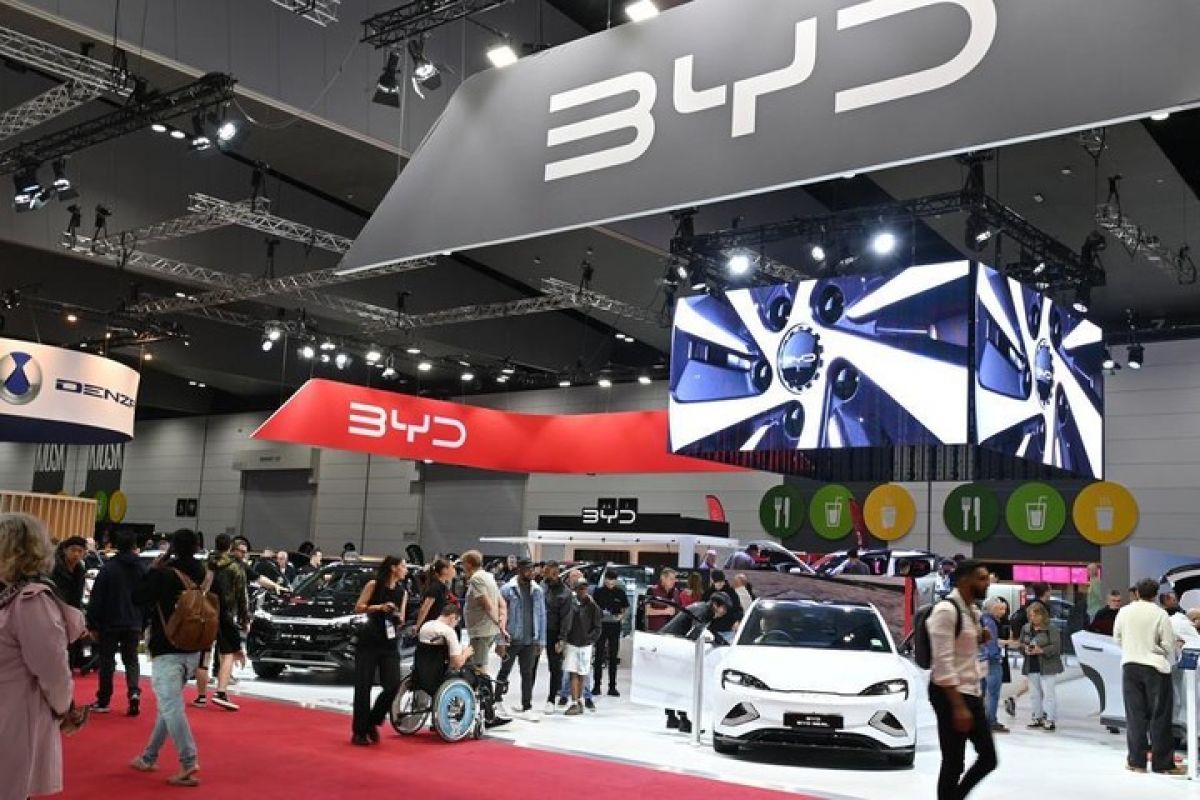
Battery electric vehicle (EV) sales in Australia set a new record for the fifth consecutive month in June, with China now established as the country’s primary vehicle source, according to the nation’s leading automotive industry body. Monthly data released on Friday by the Federal Chamber of Automotive Industries (FCAI) revealed that 23.3 per cent of the 140,058 new vehicles sold nationally in June were battery EVs, surpassing the previous record of 20 per cent set in May. Since the trend began in February, the market share for battery EVs in Australia has nearly doubled from 11.8 per cent to 23.3 per cent of total sales. February also marked the first month that China became the largest source of new vehicles for Australia, a position previously held by Japan since 1998. The FCAI’s media release stated that China is now firmly established as the country’s top vehicle source. Sales of vehicles imported from China reached 46,592 units in June, compared to 27,098 from Japan. BYD recorded 52,335 sales in Australia during the first half of 2026, a 124 per cent increase from the 23,355 units sold in the same period of 2025, while Toyota’s total sales for the first half of 2026 fell to 95,141 units from 120,978 in 2025. FCAI Chief Executive Tony Weber described the June sales data as a paradigm shift for the Australian market. ‘The Australian automotive market is undergoing a fundamental shift during the first months of 2026. This year is likely to prove a significant turning point for the Australian automotive industry,’ Weber said. ‘Global uncertainty, including conflict in the Middle East and petrol price volatility, appears to be further driving consumer interest in vehicles that reduce reliance on fuel prices.’