
EV Charging Stations Must Guarantee Consumer Rights, Not Just Deliver Electricity
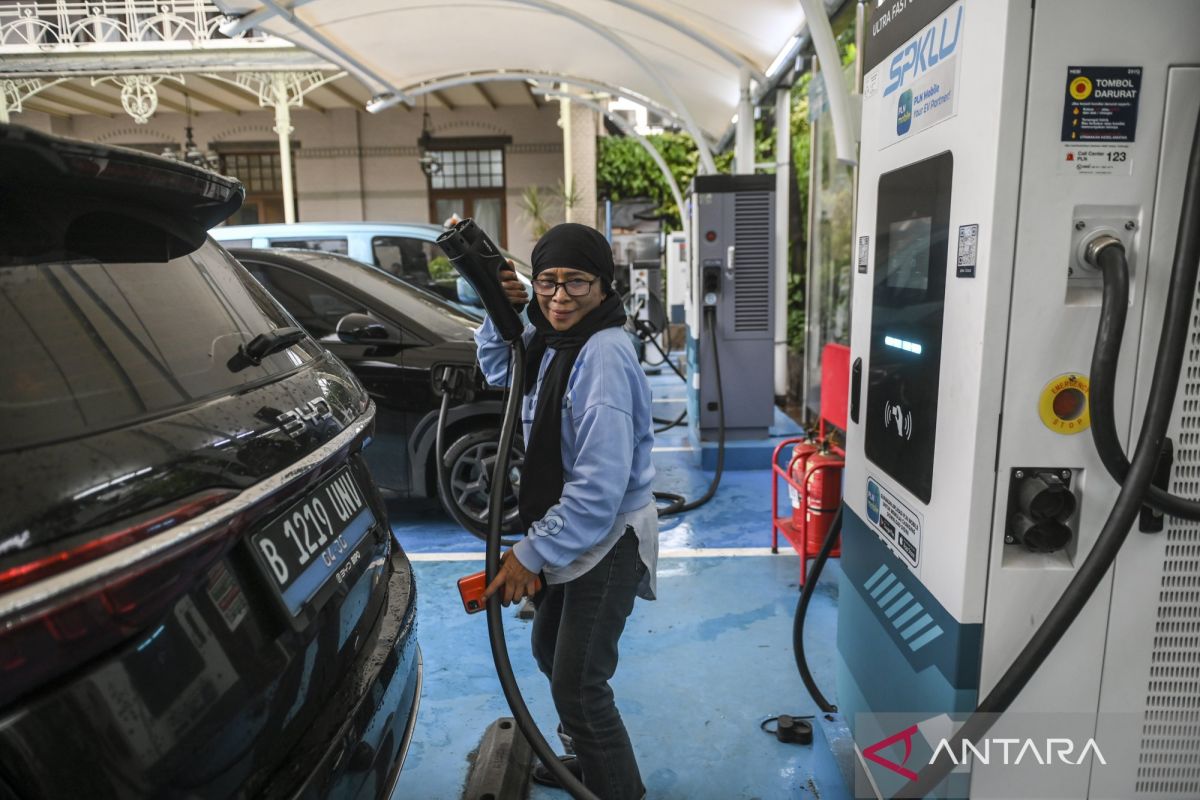
The success of electric vehicle adoption is not solely determined by the sophistication of battery technology or the number of available Public Electric Vehicle Charging Stations (SPKLU). What is far more important is the growth of public trust in the established system.
Indonesia is moving towards the era of electric vehicles. In various cities, shopping centres, offices, industrial areas, and even along toll roads, SPKLU are becoming increasingly easy to find. As of May 2024, the number of SPKLU for four-wheeled vehicles has reached 4,892 units. This figure demonstrates that the energy transformation is no longer just a plan, but an ongoing reality.
However, behind this optimism, there is one crucial aspect that must not be ignored: consumer protection. To date, the success of electric vehicle development has often been measured by the number of vehicles sold or the number of SPKLU built. Yet, for the public as users, the true measure of success is much simpler. Is the service received fair? Is the cost paid consistent with the energy obtained? And when problems arise, do consumers have adequate protection?
These questions become increasingly important because SPKLU are not merely electrical infrastructure. SPKLU represent the intersection of technology, business, and consumer rights. It is at these points that the public pays for a service and is entitled to receive benefits that align with what was promised. Article 4 of Law Number 8 of 1999 concerning Consumer Protection emphasises that every consumer has the right to comfort, security, safety, accurate information, as well as honest and non-discriminatory service. Consumers also have the right to compensation if the services received do not comply with the agreement.
Therefore, the development of SPKLU is not enough to only discuss technology and investment. More importantly, it must ensure that consumer rights remain the top priority. One unique challenge in SPKLU services is that the object being traded cannot be seen directly. When someone buys petrol, they can witness the number of litres entering the vehicle’s tank. Conversely, at an SPKLU, consumers only see the kilowatt-hour (kWh) figures appearing on a screen. Consumers lack a comparative tool to ensure that the electrical energy received truly matches the bill being paid.
For some, the process of charging an electric vehicle may only take a few minutes. However, in that simple moment, a relationship of trust is actually formed between the public and the service provider. Consumers hand over their money with the confidence that the energy received is consistent with what they have paid for.