
Europe's Rivers in Crisis: Can Any Be Saved?
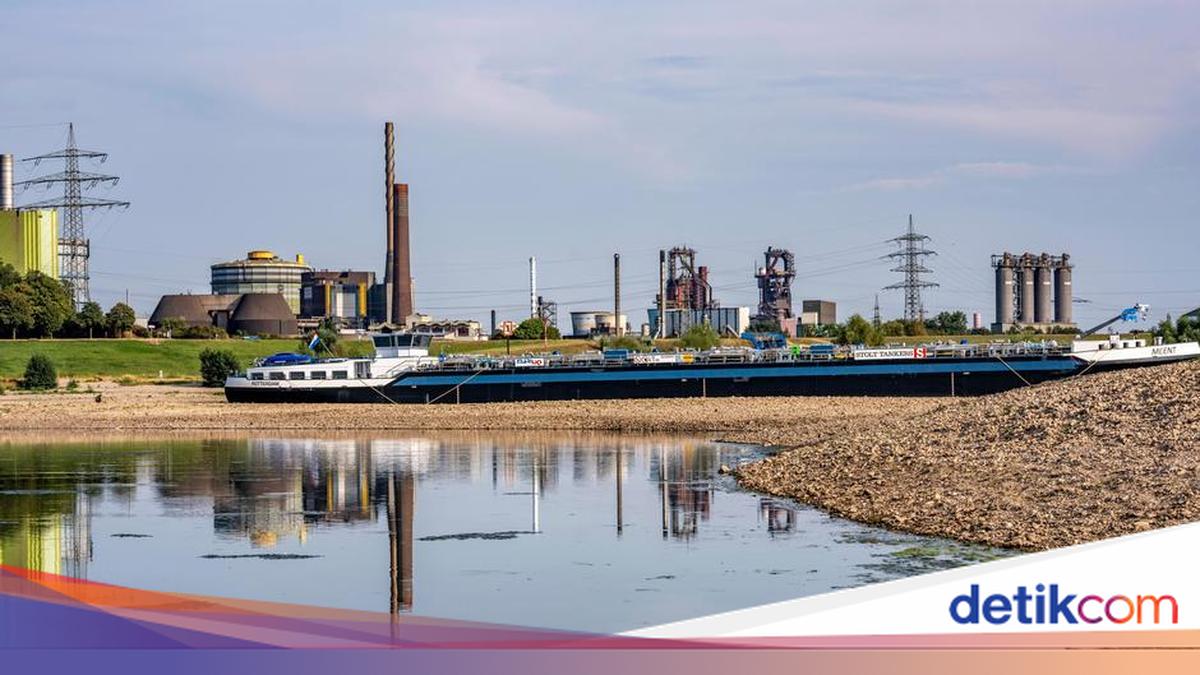
After extreme heatwaves in June 2026 and devastating wildfires in southern France and Spain, Europe’s climate-driven summer crisis is deepening with critically low water levels across the continent’s major rivers. Key stretches of the Rhine, Danube, and Po have reached historic lows, threatening freight transport, the broader economy, and agriculture, with farmers warning of rising prices due to poor harvests amid the drought. Along the Danube, cargo ships and cruise liners can no longer pass in some areas. In Hungary, Romania, and Croatia, sunken ships and vehicles have resurfaced as riverbeds dry out. In German cities including Cologne and Düsseldorf, people can now walk across parts of the Rhine that are normally subject to strong currents, and water levels are expected to drop further in the coming days. The water crisis, exacerbated by global warming driven by the burning of coal, oil, and gas, is also severely damaging ecosystems and could ultimately increase the cost of clean drinking water. Dried-up farmland, millions of hectares of lost harvests, and exposed riverbeds are among the most visible consequences, but underwater ecosystems are suffering equally. As water levels fall, river temperatures rise and dissolved oxygen levels decrease, heightening the risk of mass fish kills, explained Jeanette Völker, a scientist at Germany’s Federal Environment Agency (Umweltbundesamt). ‘Especially along the Rhine, you can see how gravel banks are drying out. This is a habitat for mussels and invertebrates, which serve as food for fish. This puts enormous pressure on the ecosystem. The mussels cannot move quickly enough and end up dying,’ Völker told DW. The drought, intense sunlight, and high nutrient loads from agricultural fertilisers also fuel harmful algal blooms that are toxic to fish. This effect was seen in 2022 on the Oder River in eastern Germany, where high temperatures, low water levels, and increased salinity allowed a toxic invasive algae to spread, killing around 1,000 metric tons of fish along the German-Polish border. Experts do not expect a repeat of the Oder disaster on the Rhine this summer because oxygen levels remain sufficiently high, but the overall threat to freshwater ecosystems persists. The Rhine and Danube are fed by numerous tributaries, which are also experiencing declining flows. These tributaries are vital because their banks are lined with reeds that act as natural filters, allowing water to slowly seep through soil layers that help remove pollutants before the water reaches underground wells. ‘A large part of our drinking water comes from what is known as bank filtration,’ said Hagen Koch, a researcher focused on climate adaptation and resilience at the Potsdam Institute for Climate Impact Research (PIK). In essence, German drinking water is sourced from these wells. However, the drought is weakening this natural purification process. Pollutant concentrations are rising because the same volume of wastewater, largely from industry and treatment plants, continues to be discharged into rivers with diminishing water levels. ‘If the ecosystem is damaged, meaning the animals and plants that contribute to water purification, this will incur significant additional costs. Additional treatment is required to supply clean drinking water to millions of people,’ Koch told DW. German industry groups estimate that climate change could increase water supply costs by up to 30%. By 2035, additional investments of up to €14 billion (approximately Rp242 trillion) may be needed to upgrade water treatment systems, construct deeper pipelines, and renew reservoirs designed to keep water temperatures low and limit microbial growth. The situation has drawn attention to broader debates about water usage. While households pay for the water they consume, some industrial sectors, including mining and agriculture, are exempt from water abstraction fees in many German states. To conserve water, authorities in several German cities are imposing strict restrictions on private water extraction from rivers and streams. In Cologne, residents who violate the ban face fines of up to €50,000 (approximately Rp865 million). The low water levels are having a significant impact on the economy. Some ships can only carry a fifth of their usual load, hampering production and triggering price increases. The German steel, chemical, and oil industries are particularly hard hit. Energy supplies are also under pressure. Hungarian Prime Minister Peter Magyar has urged households and companies to save electricity, warning that the country risks an unprecedented energy crisis after low water levels on the Danube forced the shutdown of the Paks nuclear power plant. In Romania, the military blasted rock formations in a branch of the Danube to ensure a supply of cooling water for the Cernavoda nuclear power plant.