
Europe's Resilience on the Brink? Estonian President Suddenly Calls for Peace with Russia for Moscow's Oil
In the midst of the prolonged deadlock in the Ukraine conflict and the deteriorating relations between Russia and the West, new signals are emerging from Europe. Estonian President Alar Karis stated that the European Union needs to prepare to reopen dialogue with Moscow if the war ends suddenly, a statement marking a change in tone after years of a hardline stance towards Russia.
In an interview with Finnish media, Karis questioned Europe’s readiness to face a post-war scenario. He even pushed for the appointment of a special envoy to reopen diplomatic channels with Russia. “Are we ready if the war ends today or tomorrow?” he said, emphasising that diplomatic preparations should already have begun.
This statement comes amid Estonia’s position as one of the most vocal supporters of Ukraine since the escalation of the conflict in 2022. However, behind that firmness, there is an emerging awareness that the conflict cannot be managed forever without room for communication. Karis even assessed that small countries like Estonia and Finland must be involved in every major decision regarding Russia, given their contributions in supporting Kiev.
Nevertheless, the idea of reopening dialogue still faces resistance within the European Union. Several senior officials, including top diplomat Kaja Kallas, continue to reject direct engagement with the Kremlin without concessions from Moscow. On the other side, Russia accuses European countries of prolonging the conflict and moving closer to open confrontation, particularly through increased military spending and the “ReArm Europe” plan worth hundreds of billions of euros.
Russian Foreign Minister Sergey Lavrov even warned that if Europe “prepares to attack Russia,” Moscow will respond with “all available means.” This statement underscores that tensions have not eased, even as discourse on dialogue begins to surface, as reported by RT.
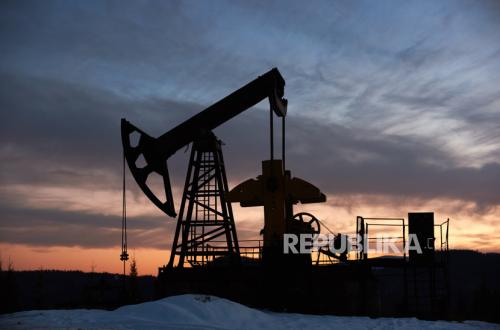
However, behind all the political and security dynamics, there is one factor that continues to shadow Western calculations: energy, particularly Russian oil.
Amid various sanction packages imposed since the start of the conflict, Russian oil has proven not to be structurally replaceable. Rather than being isolated, Moscow has demonstrated adaptive capabilities that keep it relevant in the global energy system. Revenue from the oil and gas sector remains dynamic, following global prices, providing fiscal space for Russia to withstand the pressure.
Reuters notes that Russia’s energy revenues “are estimated to increase monthly with rising global oil prices, although annually still lower,” a picture indicating that Western sanctions have not fully severed the Kremlin’s main source of income.