
Europe's Poorest Nation Switches Currency, What's Behind It?
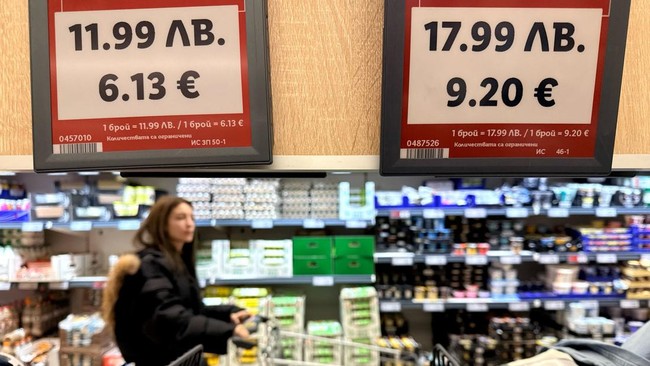
Bulgaria has officially made history by joining the eurozone this year. Celebrations featuring fireworks and a giant euro coin display on the facade of the Bulgarian National Bank in Sofia marked the end of the lev, which is now officially history. With Bulgaria’s accession, the number of European citizens using the single currency now exceeds 350 million. Bulgaria becomes the 21st member of the eurozone, following Croatia, which joined in January 2023. For Bulgarian citizens, this transition means a direct change in the nominal value of their money. For instance, someone with savings of 10,000 lev will now see their balance converted to approximately 5,100 euros. Beyond facilitating transactions for tourists and businesses, eurozone membership gives Bulgaria a strategic position in European monetary policy. The country now holds a seat on the Governing Council of the European Central Bank (ECB), granting it voting rights on interest rate decisions for the region. ‘My expectations for the euro are very positive. We will benefit from this, especially for those who travel frequently, there will be no more currency exchange problems,’ said Antonia Tsvetkova, a jewellery entrepreneur in Sofia, to Reuters. Although the business community strongly supports the move, the transition to the euro is taking place amid ongoing domestic political instability. Last month, the Bulgarian government resigned following mass protests over planned tax increases. Opinion polls indicate that the public is divided, with some citizens worried that adopting the euro will trigger higher inflation for goods and services amid a cost-of-living crisis. The entry of this Balkan nation of 6.7 million people into the eurozone is the culmination of a long effort since it joined the European Union in 2007. Membership is expected to deepen Bulgaria’s economic integration with the European single market and attract more foreign direct investment (FDI).