
Europe's Dam Demolition Drive: What's Behind the Move?
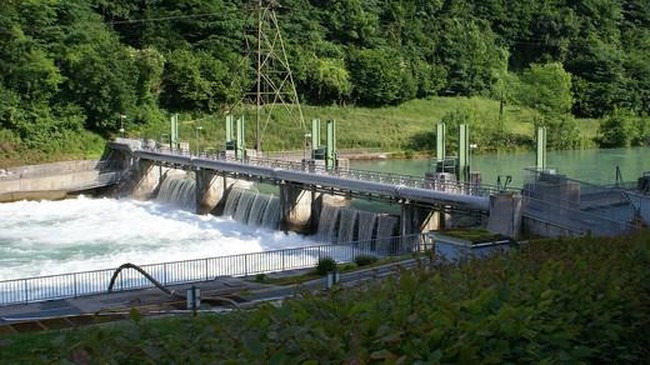
JAKARTA, CNBC INDONESIA – Europe is adopting an unconventional approach to river management, dismantling obsolete dams instead of building new ones. This move is part of a growing river restoration movement across Europe, aiming to restore natural river flows, improve fish habitats, maintain water quality, and enhance climate resilience. According to National Geographic, the movement is driven by the EU’s new Nature Restoration Regulation, which aims to free 25,000 kilometres of European rivers by 2030. The initiative is already showing results. Recent Dam Removal Europe reports show 603 dams and river barriers were demolished across 21 European countries in 2025, an 11% increase from 2024’s 542 structures removed. The demolitions have restored connectivity to approximately 3,740 kilometres of rivers. This effort is not merely about tearing down old structures but also reopening vital pathways for fish, aquatic life, and fragmented river ecosystems. FORGOTTEN DAMS One example is the Vinstra River in Norway, where a five-metre-high dam was dismantled last December. Built in the early 1900s, it was used for timber transport and small-scale hydropower. However, after decades of disuse, local authorities were unaware it was a man-made dam, even mistaking it for a natural waterfall. With no significant function left, the structure was targeted for removal. Workers drained the small reservoir behind it, drilled dozens of holes in the concrete, and used approximately 750 kilograms of explosives to demolish it. Once removed, the river flowed freely again. For river restoration advocates, such moments symbolise a major shift in Europe’s approach to rivers. Once seen as symbols of progress and development, many old dams are now viewed as burdens due to their lack of productivity, ecosystem disruption, and potential safety risks. WHY ARE DAMS NOW CONSIDERED A PROBLEM? Dams serve multiple purposes, including hydropower generation, irrigation, flood control, industrial use, and water storage. However, many old European dams are no longer relevant, unused, poorly maintained, and merely act as barriers to river flow. National Geographic reports there are at least 1.2 million dams and river barriers across Europe, ranging from large dams to small weirs, underground culverts, and water gates that alter natural flow. Of these, around 150,000 structures are estimated to be obsolete. The consequences are significant. Dams disrupt natural water currents, hindering fish migration between upstream and downstream areas, which is crucial for breeding and survival. Stagnant pools created by barriers also lead to pollution and declining water quality. Over time, fragmented rivers lose their natural ecosystems, transforming from vital habitats for fish, insects, birds, and surrounding wildlife into disconnected waterways. Thus, dismantling old dams is increasingly seen as a way to restore rivers—not just for environmental reasons, but also to safeguard water quality and reduce risks to local communities. GROWING DAM DEMOLITION MOVEMENT Opposing and removing dams is not new in Europe. Resistance began growing in the 1980s, inspired by US environmental movements of the 1970s. The first major dam demolition in Europe occurred in the late 1990s when France tore down three hydropower dams. However, progress slowed after that. Cost was a key factor, with communities questioning whether expensive dams should be demolished. Public opposition also arose over fears of flooding or landscape changes. In the past decade, the movement has regained momentum. Non-profit Dam Removal Europe has raised awareness about restoring river flows. Over 9,000 dams and river barriers have been removed across Europe, with more than 6,700 demolished since 2009. In 2025 alone, 603 barriers were removed in 21 European countries—a 11% increase from 2024 and six times the 2020 figure. Notably, the structures removed are not always large dams. Dam Removal Europe’s report shows 50% of 2025’s demolished barriers were underground culverts, 31% small weirs, and 10% dams. Most were small, with 78% under two metres in height.