
European Trust in US Hits Record Low, ECFR Survey Shows
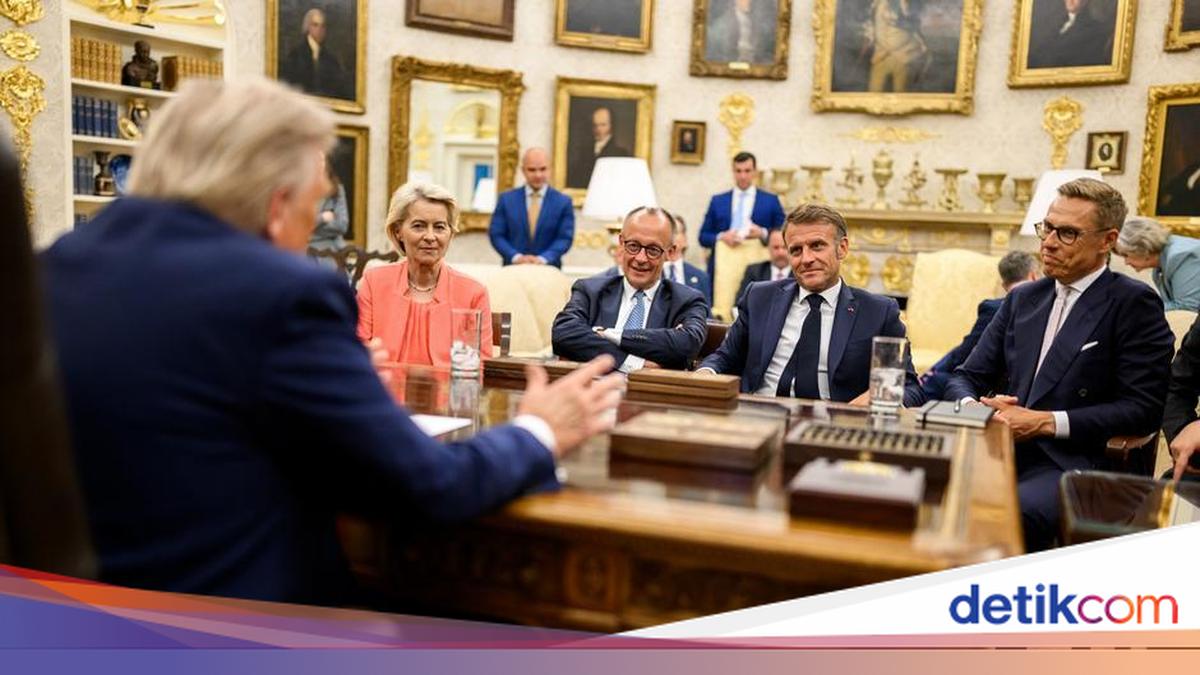
Only 11% of Europeans consider the United States an ally. The survey released on Wednesday by the European Council on Foreign Relations (ECFR) marks the lowest figure on record. Six months ago, 16% of respondents in 15 European countries stated they viewed the US as an ally. Meanwhile, in November 2024, when Donald Trump won the US presidential election, the figure stood at 22%. The ECFR poll shows that Europeans are beginning to prioritise self-reliance and adopt a realistic stance towards Donald Trump, though they do not expect the relationship to break down entirely amidst recent challenges. A majority of respondents said they are not confident the US would come to Europe’s defence if the continent were attacked. The survey was released ahead of the Group of Seven (G7) and NATO summits in the coming weeks. The survey findings indicate that European trust in the United States has plunged in recent years, particularly since Donald Trump returned to the White House. Historically, the US has been the strongest supporter and partner of the Blue Continent in defence and security. A majority of respondents in every country surveyed, except Bulgaria, expressed their belief that transatlantic relations will improve after Trump’s term ends. Transatlantic relations refer to the political, economic, and security partnership between North American countries, specifically the US and Canada, and countries in Europe. Since the start of his second term, Trump has imposed tariff policies on European countries and threatened to withdraw from NATO. This threat arose from his assessment that Europe has not provided adequate support in the US-Israel war against Iran and has insufficient defence budget allocations. Furthermore, Trump has insisted he wants to take control of Greenland, which is part of Denmark, a NATO and European Union member. Last month, the US said it would begin withdrawing troops stationed in Germany amidst a dispute between Trump and German Chancellor Friedrich Merz. The dispute stemmed from Merz’s statement that the US was being humiliated by Iran. At the World Economic Forum in Davos, held at the height of tensions over Trump’s threats regarding Greenland, European Commission President Ursula von der Leyen said the fracturing relationship with the US highlights the need to build a new form of European independence. US President Donald Trump has also repeatedly appeared to blame Ukraine for the Russian invasion, while seeking closer ties with Russian President Vladimir Putin. The survey found that a majority of Europeans support Ukraine, but are cautious about the possibility of Ukraine joining the European Union and the deployment of troops to fight against Russia. On the issue of energy, most respondents acknowledged that the European continent is facing an energy crisis, but remain firmly opposed to importing fossil fuels from Russia, according to the poll. Compared to last year, the percentage of Europeans supporting increased defence budgets rose by 4%. Almost half of survey respondents stated they would support an EU collective borrowing scheme to fund defence projects. The respondents support efforts to reduce Europe’s dependence on US weaponry and switch to using European-made military equipment. The poll, conducted in May 2026, surveyed adult age groups in Austria, the Netherlands, Bulgaria, Denmark, Estonia, Hungary, the United Kingdom, Italy, Germany, Poland, Portugal, France, Spain, Sweden, and Switzerland.