
European Citizens Outraged as Skyrocketing Rental Costs Create Housing Crisis
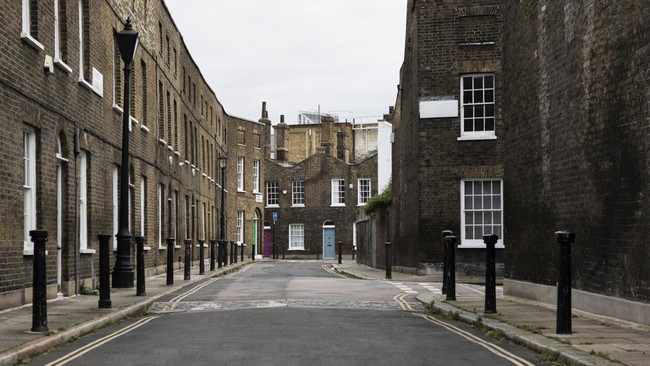
The burden on European citizens is becoming increasingly heavy, with many facing uncertainty regarding where they will live. In Barcelona, vacant apartments are being snapped up almost instantly; property agents report that a single flat can receive 200 enquiries within just one hour of being listed online. This intense competition is driven by a mix of foreign workers, digital nomads, second-home hunters, and locals fighting for limited space in suburban areas.
This phenomenon is not isolated. According to The Economist, major European cities are facing severe housing pressure, with house prices in the EU surging by approximately 60% between 2015 and 2025, far outstripping household income growth. In many cities, rent consumes more than 40% of the average worker’s salary, a threshold considered a financial danger zone as it shrinks household consumption capacity.
In Spain and the Netherlands, housing has become a primary public concern. Analysts are linking the rise in support for right-wing populist parties to the frustration of younger generations unable to secure housing. To address this, the European Commission has appointed its first special commissioner for housing, and Brussels is encouraging member states to increase public investment in affordable housing and tighten regulations on short-term rentals like Airbnb.
The root of the problem lies in a massive supply-demand imbalance. Spain faces an estimated shortage of 700,000 housing units, as the number of households has surged by 1.2 million since 2021, largely due to immigration, while new construction remains below 90,000 units per year. Germany and France face similar deficits, with Germany needing 400,000 new units annually and France requiring approximately 520,000.
In response, several governments have turned to rent controls. The Netherlands has expanded rent caps for the private sector, and Spain has passed laws allowing local governments to limit rent increases. However, these interventions have yielded mixed results. Research from Pompeu Fabra University suggests that while rent controls in Catalonia lowered prices by 5% for existing tenants, new lease contracts dropped by 10% as landlords withdrew properties from the market due to regulatory uncertainty.
Economists warn that rent control policies are akin to ‘managing a queue without shortening it,’ protecting those who already have homes while further marginalising newcomers and low-income earners. Consequently, some nations are exploring alternative approaches, such as Portugal reducing income tax on affordable rentals from 25% to 10%, and Spain offering tax incentives for landlords who maintain stable rents.
Ultimately, the fundamental solution remains increasing supply, yet construction in Europe is currently slow and expensive. In Catalonia, building permits can take up to 12 years, and the construction sector suffers from a labour shortage following the 2008 Spanish property bubble. Rising material costs and geopolitical conflicts have further complicated supply chains. While some cities like Stockholm are experimenting with standardised public housing and Spain is allocating €1.3 billion for modular housing, the gap between demand and supply remains a critical challenge.