
Europe Plans 2029 Digital Euro Launch to Counter Visa-Mastercard Dominance
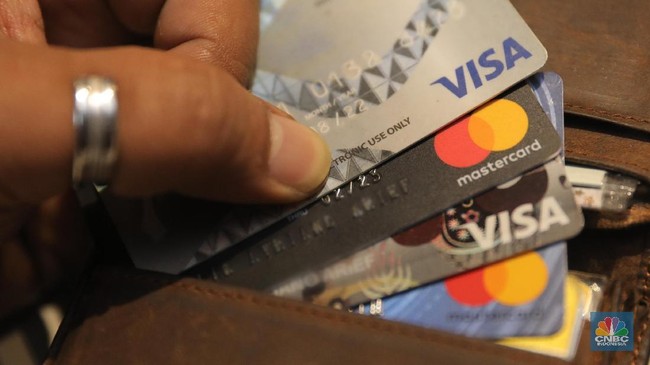
The European Union is moving to reduce its dependence on American payment giants such as Visa and Mastercard. The step was marked by a European Parliament vote on Tuesday (23/6/2026) regarding the regulation of the digital euro, a central bank digital currency touted as the foundation for the region’s payment sovereignty.
The digital euro is a digital currency project developed by the European Central Bank (ECB). Unlike cryptocurrencies such as Bitcoin, the digital euro will have the same value as physical euro money and be directly backed by the central bank.
Under this scheme, the public will be able to store digital euros in special digital wallets separate from bank accounts. Funds can be transferred from bank accounts or via cash deposits, then used for shopping in stores, transacting online, or making transfers between individuals using cards, applications, or digital banking services.
The ECB first proposed the digital euro project in 2020. However, the digital currency can only be issued after obtaining approval from European Union member states and the European Parliament regarding the rules governing it.
If the legislative process proceeds as planned and regulations are agreed upon by the end of this year, the ECB is targeting a pilot programme to begin in mid-2027. A full launch is targeted for 2029.
Behind the development of the digital euro lies a goal larger than merely modernising the payment system. The European Union wants to reduce dependence on foreign payment networks, especially American companies like Visa and Mastercard, which currently dominate card transactions in the euro area.
According to the ECB, nearly two-thirds of card payments in the eurozone are processed by non-European companies. The majority of that share is Visa and Mastercard. Furthermore, 13 of the 21 eurozone member states do not have a national card payment scheme for daily transactions.
European Parliament member Gilles Boyer stated that the payment system is not merely technical infrastructure, but also an instrument of economic and geopolitical power. "We Europeans have been warned many times about our dependence on the United States. Now we are fully aware of it, but we do not always take action," he said. He added that Tuesday’s vote would be an important step towards realising a sovereign European payment solution applicable across the entire region.
However, the digital euro project faces opposition from the banking industry. The European Banking Federation estimates the cost of adapting banking systems to support the digital euro could reach 18 billion euros, or approximately US$20 billion.
Beyond the cost issue, banks are also concerned that some customer funds will migrate from bank accounts to digital euro wallets. This situation could potentially reduce third-party funds, which are the main source of funding for banks.
The ECB, however, dismissed these concerns. The central bank asserted that the digital euro’s design will limit the potential for large-scale fund migration, ensuring it does not disrupt financial system stability or bank liquidity.