
Europe Heats Up: Russia Issues Stern Warning to NATO
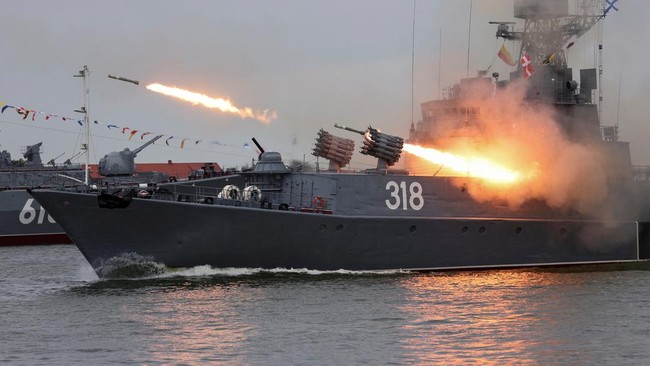
Moscow has warned NATO that increased military activity around the Russian exclave, Kaliningrad, could heighten the risk of direct armed conflict between the two parties. The warning follows calls from Poland for the strengthening of NATO forces near the region.
The Russian Embassy in Belgium stated that Moscow is determined to protect Kaliningrad with all available weaponry.
This statement is in response to Polish Foreign Minister Radoslaw Sikorski, who previously claimed there were “almost no troops” in Kaliningrad and requested that NATO increase its military posture so that Moscow “is not sure what we will do.”
NATO spokesperson Allison Hart confirmed that the alliance has received the Russian message. “We strongly condemn the threat of the use of force, including any irresponsible nuclear rhetoric,” said Hart.
Moscow has repeatedly denied allegations that Russia plans to attack NATO before the end of this decade. The Kremlin described warnings regarding a potential Russian attack as a form of war incitement used to encourage increased defence spending among alliance member states.
Conversely, Russia views the increase in NATO military activity as creating conditions that could lead to an attack on its territory. Russian Foreign Minister Sergey Lavrov has repeatedly warned that a direct conflict with NATO would be very brief, in a statement referencing the potential use of nuclear weapons.
The threat has resurfaced after the Russian Embassy in Ireland stated that Moscow is prepared to use nuclear weapons if NATO attempts to blockade Kaliningrad. Russia also stated it could consider preventive military action if faced with such a crisis.
On the other hand, the nuclear issue is also part of NATO’s defence discussions. France has offered talks regarding the possible deployment of its nuclear weapons in other European NATO countries, while under the current scheme, United States nuclear bombs are stored in several European nations, and non-nuclear nation troops are trained for missions involving their use.
Kremlin spokesperson Dmitry Peskov defended Russia’s warnings. “It is natural for our diplomats to attempt to remind reckless parties in Europe of our doctrinal documents,” said Peskov, responding to the rhetoric emerging from Poland and several other European nations.