
Europe Follows Indonesian Government Regulations as Global Shift Occurs
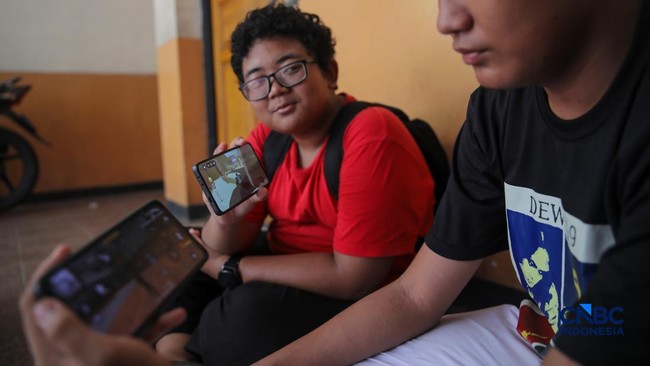
The European Union (EU) is preparing to take decisive steps to curb social media features designed to make underage children addicted. This policy follows a global wave in which an increasing number of countries are rushing to limit or even block children’s access to digital platforms.
In Indonesia, similar regulations are enshrined in the Tunas Government Regulation and its derivative, Ministry of Communication and Digital Affairs Regulation Number 9 of 202cap 26. Under these rules, children under the age of 16 are prohibited from accessing social media. The Ministry of Communication and Digital Affairs is also continuously requesting platform providers to conduct self-assessments to ensure their services are safe.
According to AFP data, more than 20 countries worldwide have now taken strict security measures regarding social media use for children. Of that number, seven countries have officially implemented restrictive rules targeting children aged between 15 and 16.
As a pioneer, Australia has implemented a total ban on social media use for children under 16 since the end of 2025. Similar steps have recently been followed by the state of California, USA, which has tightened digital access regulations for minors.
At the regional level, European Commission President Ursula von der Leyen is scheduled to present a comprehensive proposal to the European Parliament on Wednesday (16/09). This proposal was formulated after months of studying the best ways to protect children from platform algorithms designed to keep users glued to their phone screens.
Map of Social Media Bans for Minors
- Countries That Have Established Strict Rules
Australia: Implemented a total ban for those under 16 since December 202ss (though recent data shows many teenagers are still finding loopholes).
Brazil: Requires platforms to link user accounts under 16 with parental accounts and has tightened age verification since last March.
China: Has progressively tightened internet access since 2019, ranging from online game curfews to expanding restrictions to social media and streaming in 2023.
Indonesia & Malaysia: Both implemented social media bans for children under 16 in March and June of this year, respectively.
Turkey & UAE: Have passed restrictive rules for those under 15, which will take effect from late 2026 through next year.
California (USA): Governor Gavin Newsom signed dozens of digital child protection laws on 10 September, including a ban on addictive features for children under 16 starting in early 2027.
- Announced Plans and Policies
Greece & Austria: Preparing to implement bans for those under 15 (Greece starting January 2027) and under 14 for Austria.
Germany, Sweden, & Denmark: Are currently deliberating options for strict age-based or platform-based restrictions, with implementation targets up to 2028.
United Kingdom & Canada: Projecting a minimum age limit of 16 in early 2027, with the UK even planning a curfew for teenagers aged 16-17.
New Zealand: Following Australia’s lead by proposing a bill to restrict social media services for children under 16 last August.
The Difficult Path for Bills in Parliament
Several countries are also facing intense legal dynamics. In France, for example, parliament passed a law banning social media for children under 15, but it was ultimately annulled by the Constitutional Council on the grounds of freedom of expression. Nevertheless, President Emmanuel Macron has promised to formulate new, more legally robust regulations in the spring of 2027.
Similar steps are also being discussed intensively in Portugal, Spain, and Italy to shield the younger generation from the negative impacts of the current digital ecosystem.
Source: jawawa.id (https://jawawa.id/newsitem/europe-follows-indonesian-government-regulations-as-global-shift-occurs-1789545521)
Originally published by CNBC Indonesia (https://www.cnbcindonesia.com/tech/20260916112811-37-768315/eropa-ikut-aturan-pemerintah-ri-dunia-ramai-ramai-berubah-total), translated from Indonesian