
Euro Drops to 17-Month Low as French Bonds Face Sell-off
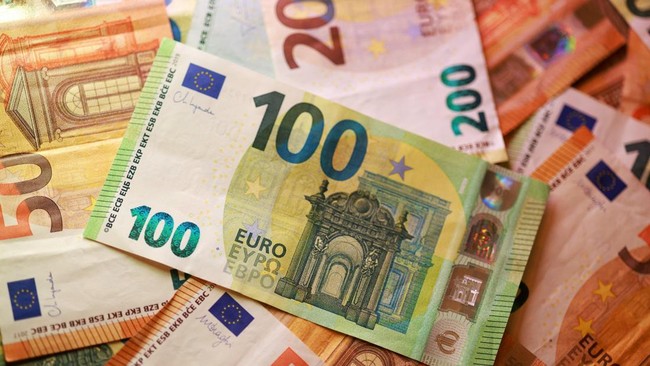
The Euro exchange rate plummeted to a 17-month low against the US Dollar during trading on Monday (05/10/2026). Pressure stemmed from a sell-off in French government bonds that shook the Eurozone markets, which were already under pressure from rising oil prices.
According to the Financial Times, the Euro weakened by up to 0.8% to US$1.116 during morning trading in London, before moving within the US$1.121 range. So far this year, the Euro has corrected by 4.5% against the US Dollar.
Lee Hardman, senior currency analyst at MUFG, assessed that the Euro’s weakness was triggered by growing fears of worsening financial conditions in the Eurozone due to sharp pressure in the French bond market.
The sell-off of French debt deepened throughout last week, pushing 10-year government bond yields close to 5%. Since the start of the Iran war, the rise in French yields has been the largest among G7 nations, up from 3.2% at the end of February.
During Monday’s trading, yields rose again at the start of the session before falling to 4.86%, remaining stagnant compared to the previous day.
France has been hit harder in the global bond sell-off as rising yields met concerns over the government’s failure to reduce the budget deficit to below 5% of Gross Domestic Product (GDP).
This anxiety began weighing on the Euro last week and spread to the bond markets of other Eurozone nations, particularly Italy. The situation has sparked speculation that the European Central Bank (ECB) must intervene to prevent French debt issues from spreading to the wider region.
Hardman noted that these developments have reignited concerns regarding fragmentation risks in the Eurozone, which could hinder the transmission of monetary policy.
Political Risks Looming
Investors are also anxious that the rise of populist parties ahead of next year’s French presidential election will worsen prospects. Uncertainty increased after Spain announced snap elections, following the rejection of Prime Minister Pedro Sánchez’s flagship housing bill last week.
Eric Robertsen, Head of Global Research and Chief Strategist at Standard Chartered, assessed that the European political situation is deteriorating, with a particular focus on the French bond market. According to him, France appears to lack both the will and the ability to rectify its fiscal condition.
The US-based investment manager, Vanguard, also warned last week of the deteriorating creditworthiness of France. The country has now become the centre of market concerns regarding the sustainability of European debt.
The Euro’s weakness was also triggered by a shift in market expectations regarding ECB interest rate hikes, which reduced support for the currency. Against the backdrop of worsening French political and fiscal conditions, market participants now anticipate only two 25-basis-point hikes from the current ECB rate of 2.5% within the next year. A few weeks ago, the market still expected three hikes.
Jim Reid, a strategist at Deutsche Bank, assessed that high French yields have tightened financial conditions and will make it more difficult for the ECB to implement interest rate hikes as expected by the market.
Pressure has also spread to other foreign exchange markets. Against the Swiss Franc, the Euro fell 1.6% this month to SFr0.932, heading towards one of its largest monthly declines in recent years. Peter Kinsella, Head of Investment Services at UBP UK, stated that this movement reaffirms the Swiss Franc’s status as a safe-haven asset. He noted that this currency pair has become a favourite indicator for the forex market regarding Eurozone yield spread risks during the 2010-2012 crisis.
Nevertheless, some analysts believe that comparisons to the Eurozone crisis are excessive. Geoffrey Yu, senior strategist at BNY, expressed caution regarding the Euro’s performance but assessed that the similarities to the 2012 conditions are far from accurate.
Reid of Deutsche Bank stated that the big question is whether this is the beginning of a new Eurozone sovereign debt crisis or if the market has overreacted. He himself leans towards the latter possibility.
Source: jawawa.id (https://jawawa.id/newsitem/euro-drops-to-17-month-low-as-french-bonds-face-sell-off-1791280466)
Originally published by CNBC Indonesia (https://www.cnbcindonesia.com/market/20261006142946-17-773801/euro-anjlok-ke-level-terendah-17-bulan-obligasi-prancis-diobral), translated from Indonesian