
EU Unity Frays as Six Member States Seek Exemptions from New Russia Sanctions
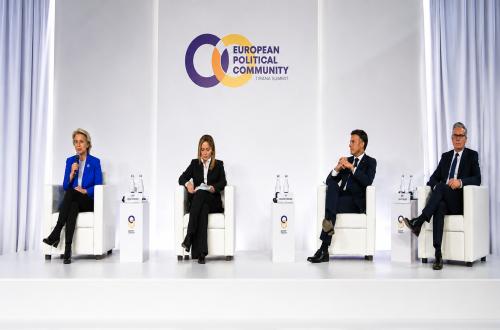
The European Union’s effort to tighten economic pressure on Russia is colliding with the national interests of its member states, as at least six countries have requested exemptions or relaxations from provisions in the draft 21st sanctions package against Moscow. The six nations are Greece, France, Italy, Germany, Austria, and Portugal. Their objections cover Russian liquefied natural gas (LNG) trade, fish imports, the issuance of visas to former Russian military personnel, and the fate of assets linked to Raiffeisen Bank International.
The Financial Times reported on Sunday that the six countries have requested exemptions from the latest draft or are holding back provisions that could potentially harm their domestic companies and industries. However, this stance does not equate to a request to lift all existing sanctions against Russia. The dispute has stalled the adoption of the 21st package. EU member state ambassadors failed to reach an agreement during a meeting on Wednesday, with negotiations scheduled to resume on Thursday. While discussions continue, the price cap on Russian oil is being maintained at USD 44.10 per barrel.
The deadlock poses a serious problem because EU sanctions decisions require unanimous approval. A single member state can hold up adoption until a compromise is found. The relaxations requested by the six countries must be distinguished from the EU’s existing economic sanctions. The Council of the European Union extended the economic restrictions against Russia for another year until 31 July 2027 on 25 June. This means the current dispute centres on the draft 21st package, not a wholesale cancellation of previously approved import bans, asset freezes, financial restrictions, and other measures.
The European Commission proposed the 21st package on 9 June. The draft targets the energy sector, banking, crypto assets, trade, drone production, oil traders, refineries, and networks accused of helping Russia circumvent sanctions. However, after 20 packages have been implemented since the lead-up to Russia’s full-scale invasion of Ukraine in 2022, new targets are increasingly intersecting with European companies that still maintain trade ties with Russia, making the search for an agreement progressively more difficult.