
EU Tightens Rules, Less Than 5% of Indonesian Palm Oil Businesses ISPO Certified
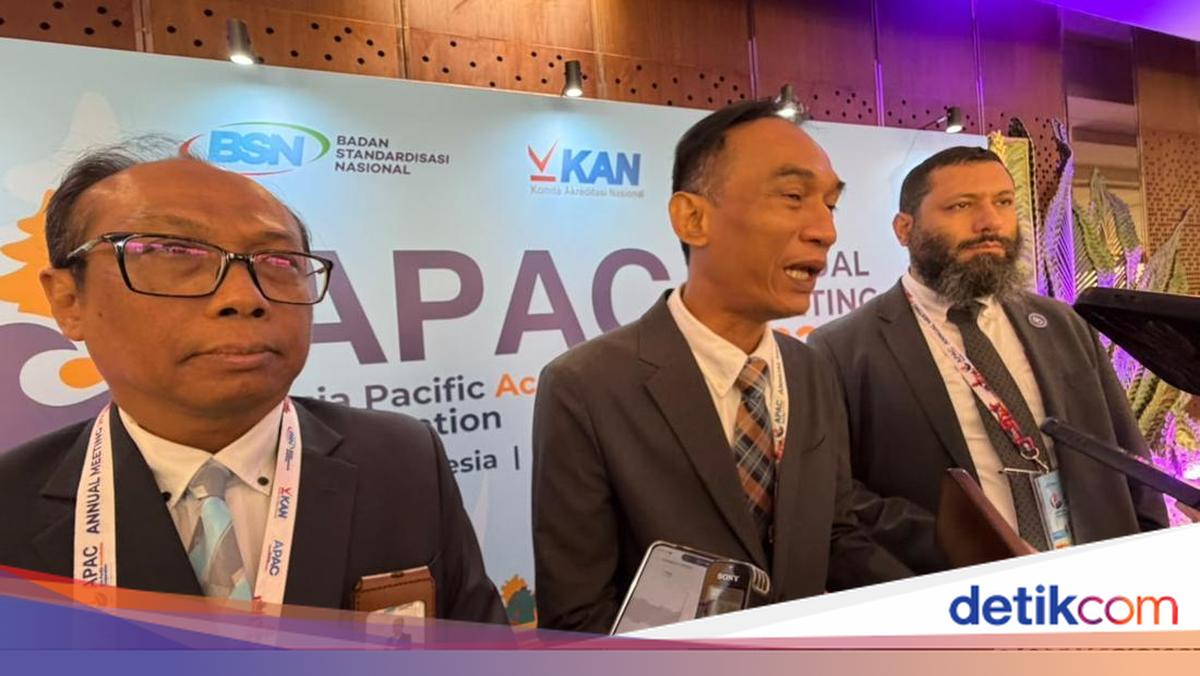
The Indonesian palm oil industry is struggling to meet increasingly stringent global market demands for sustainability, with less than 5% of producers currently certified under the Indonesian Sustainable Palm Oil (ISPO) standard. Wahyu Purbowasito, Deputy for Accreditation at the National Standardisation Agency (BSN) and Secretary of the National Accreditation Committee (KAN), confirmed the low certification rate. “The number of certified palm oil businesses is still very small, less than 5%,” he stated during an interview in Nusa Dua, Badung, on Monday (22/6/2026).
Purbowasito explained that ISPO, established through a Presidential Regulation, serves as the national sustainability standard governing the entire palm oil supply chain from upstream to downstream. However, implementation remains challenging because the majority of operators are small-scale plantations. Indonesia possesses approximately 16 million hectares of oil palm plantations, with nearly 50% managed by smallholders. “This large number of small-scale farmers makes it somewhat burdensome for us,” he noted.
Meanwhile, international markets, particularly the European Union, are imposing increasingly rigorous sustainability requirements, including the European Union Deforestation Regulation (EUDR), which mandates proof that commodities like palm oil are not linked to deforestation. Donny Purnomo, Head of BSN and Chair of KAN, emphasised that sustainability claims must now be substantiated. “Sustainability cannot just be declared; it must be proven. Therefore, a credible conformity assessment system and competent certification and verification bodies are needed. Accreditation serves as the foundation ensuring this process is independent, transparent, and trustworthy,” he said.
To address this, BSN and KAN are reinforcing the accreditation system for ISPO certification to ensure Indonesian certification results are credible and globally accepted. The cross-border recognition of certifications was a key topic at the Asia Pacific Accreditation Cooperation (APAC) Annual Meeting 2026 held in Nusa Dua, Bali. The meeting, themed “Innovation, Trust and Sustainability: The Power of Accreditation” with a sub-theme on facilitating global acceptance of conformity assessment results, underscored the critical role of accreditation in supporting innovation, building trust, and achieving sustainable development.