
EU Seeks to Ease Pesticide Restrictions as Experts Warn of Dangers
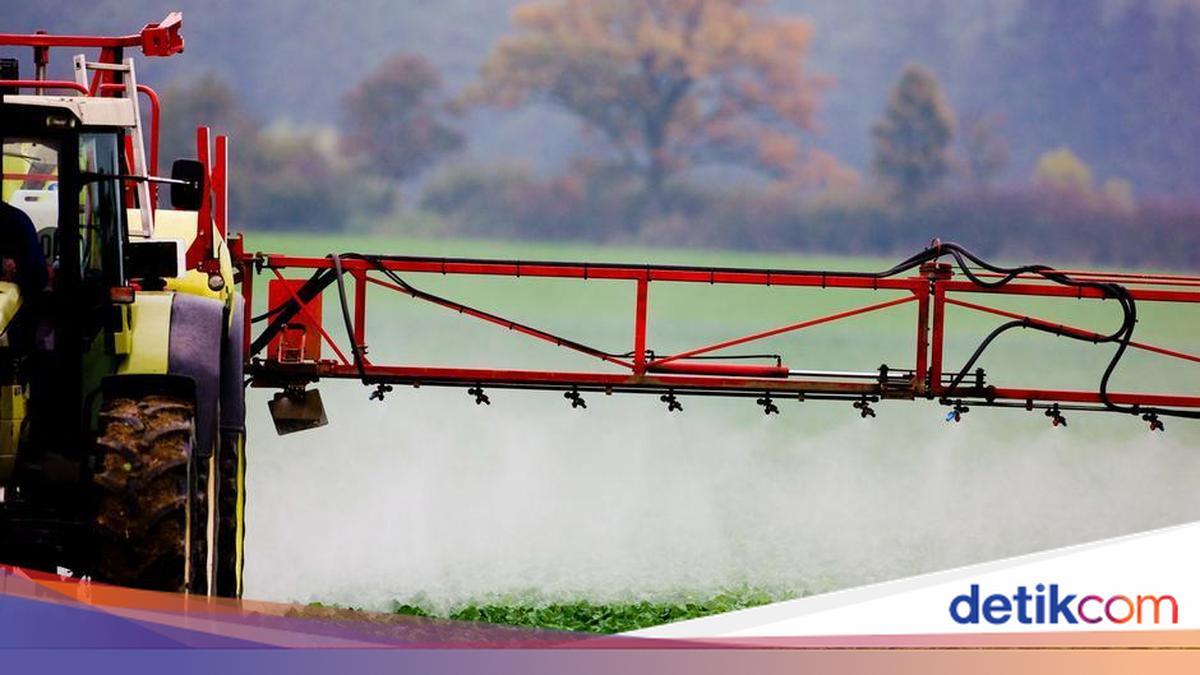
As part of efforts to “streamline and simplify” European Union rules, the European Commission has proposed major changes to agricultural and food-safety regulations. One proposal would ease rules on the use of pesticides and herbicides, chemicals used to control pests and weeds.
Under EU rules in force since 2011, the main components of pesticides, known as active substances, are authorised for a limited period of no more than 15 years.
Through its proposed overhaul, the Commission wants indefinite authorisation to become the norm, including for the controversial herbicide glyphosate. The substance has been linked to cancer and can kill almost all types of plants. Safety assessments would take place only in certain circumstances, with responsibility resting with regulators rather than industry.
The Commission says the changes are intended to cut costs, simplify the work of authorities and help farmers remain competitive. But scientists and doctors warn that concerns about human health and the environmental effects of toxic substances risk being sidelined.
Why does the EU want to ease pesticide rules?
The European Commission says its proposal responds to complaints from farmers and the agricultural industry, who want greater clarity on EU rules governing pesticide use.
In a joint statement issued last May, 19 food-sector associations, including CropLife Europe, which promotes pesticide use, said complicated administrative procedures and lengthy authorisation processes meant farmers had “no effective solutions to protect crops from insects, weeds and diseases”. They said this threatened food security and farmers’ livelihoods.
“The system of periodically reassessing the authorisation of every active substance is no longer sustainable,” the Commission’s press service told DW. It pointed to “chronic delays” and “bottlenecks” in the approval process for new, more sustainable products.
In the latest negotiations, EU member states said indefinite authorisation should be limited to “low-risk active substances”. However, their position would still allow initial approval periods for other substances to be extended to as long as 15 years, and renewals to a maximum of 25 years.
Herbert Dorfmann, a centre-right Italian member of the European Parliament, said approvals for new pesticides, including more environmentally friendly products, were currently delayed for years. As a result, farmers were forced to rely on older substances. If those were banned, farmers could be left with no alternatives at all.
The Commission wants to “make the system more efficient and responsive”, while ensuring that “the protection of human and animal health and the environment remains the highest priority”.
Dorfmann, who is one of the co-rapporteurs in inter-institutional negotiations on the issue, supports the Commission’s position. The EU needs to “open up the system to innovation”, he said. He hopes MEPs will vote on Parliament’s proposals for new pesticide rules before the end of the year.
How do pesticides affect people and the environment?
Ecologists and medical experts strongly oppose the proposed changes, arguing that their potential effects on human health and the environment are being underestimated.
In September, more than 500 experts from EU member states signed an open letter calling on the European Parliament to suspend debate on the new regulations and commission an independent investigation into their health and environmental effects.
On 7 October, United Nations human-rights experts also backed calls for a comprehensive review of whether the proposed changes breach the EU’s obligations under international human-rights law, particularly in relation to agricultural workers and children.
Pesticides can persist in the environment, contaminate water and damage soil quality. They can also reduce biodiversity and poison animals higher up the food chain.
As for their effects on people, the European Environment Agency says that “the burden of disease associated with current levels of exposure to all pesticides cannot yet be estimated”.
Nevertheless, exposure to chemical pesticides, including banned substances that persist in the environment, has been linked to various cancers, chronic respiratory diseases, neurological disorders, developmental delays, and fertility and behavioural problems.
Exposure is also widespread. A survey conducted between 2014 and 2021 found residues of at least two types of pesticide in 84 per cent of urine samples from children and adults in five European countries.
Martina Vijver, scientific director and ecotoxicology expert at Leiden University in the Netherlands, said experts were “very concerned” that the EU’s plan would “weaken, rather than strengthen, the level of protection in pesticide regulation”.
In a statement to the European Parliament in September, she stressed that regular reassessments were essential to evaluate pesticide safety in light of the latest scientific findings. Perceptions of risk, she said, can change over time.
“The regulatory system must remain capable of correcting yesterday’s decisions with the knowledge gained today.”
More than 50 substances banned since 2011
Salome Roynel, a policy officer at Brussels-based non-governmental organisation Pesticide Action Network Europe, said the harmful effects of pesticides often became fully understood only years later, when their authorisations were reviewed.
“Science continues to produce new findings,” she told DW. She cited 56 active substances that have been banned in the EU since 2011 following periodic reassessments.
One of them is the insecticide chlorpyrifos, used in orchards and on vegetable and cereal crops. It has been linked to harmful effects on children’s brain development.
Roynel said there was “clearly a kind of alignment” between the changes proposed by EU institutions and the demands of pesticide-industry lobby groups.
That claim echoes a recent report by Corporate Europe Observatory, a non-profit research and campaigning organisation. The report said Dorfmann and several other MEPs had “copy-pasted […] industry demands” into their proposed regulations.
Dorfmann denied being influenced by lobby groups. He told DW that he had met “both sides, industry and environmental organisations”, in various open discussions on the issue.
“The main objective is not to keep old products on the market. The main objective is to bring new products to the market,” Dorfmann said.
He added that one part of the plan was to help more environmentally friendly “biocontrol” products and low-risk substances overcome current administrative hurdles so that they could be marketed more quickly.
Farmers need incentives to switch
Vijver had previously backed the idea. She agreed that the current system left more environmentally friendly pesticides stuck in a bureaucratic “traffic jam”.
She told DW that biocontrol products could be given a fast-track route—like a dedicated bus lane—to speed up the approval process at the European Food Safety Authority. However, essential safety assessments should remain in place to screen out more dangerous products.
Roynel also supports speeding up approval for biocontrol substances. But she said this should be part of a broader change to the system, including financial assistance, monitoring and training in the use of the new products.
The changes should also preserve restrictions on more dangerous chemical pesticides, rather than further relaxing their regulation.
“If farmers are given easier access to synthetic pesticides tomorrow, they will have no incentive to switch to biocontrol,” she said.
“Bringing biocontrol pesticides to market is important and we fully support it. But these products are not a magic solution to every problem.”
Source: jawawa.id (https://jawawa.id/newsitem/eu-seeks-to-ease-pesticide-restrictions-as-experts-warn-of-dangers-1792756413)
Originally published by detikcom (https://news.detik.com/dw/d-8721066/uni-eropa-ingin-longgarkan-batasan-pestisida-pakar-peringatkan-bahaya), translated from Indonesian