
EU Sanctions Pertamina's Karimun Refinery for Handling Russian Oil
REPUBLIKA.CO.ID, BRUSSELS – The Commission welcomes the adoption of the 20th sanctions package against Russia by EU member states. The European Union’s commitment to a free and sovereign Ukraine remains unwavering.
“This package provides further pressure on Russia to engage in negotiations and do so on terms acceptable to Ukraine. Every day of Russian attacks on Ukraine’s civilian infrastructure is another day of suffering for the Ukrainian people,” states an official EU release quoted by Republika in Jakarta on Monday (27/5/2026).
The new sanctions feature a strong anti-circumvention perspective and include robust energy measures, as well as the first activation of the “anti-circumvention” tool. The package also targets financial services (including crypto), trade and media propaganda, and includes further steps to protect EU operators.
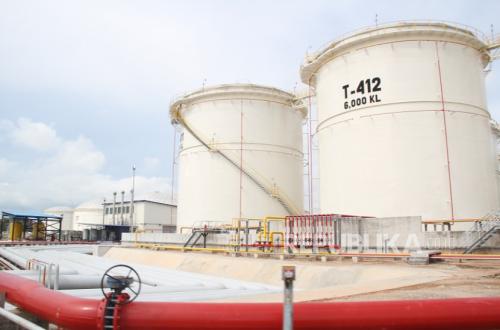
The EU’s sanctions on Russia also have repercussions for Indonesia. This is because the oil refinery owned by PT Pertamina in Karimun Regency, Riau Islands Province, has been included in the sanctions list for handling transactions from Russia.
“Port infrastructure ban: Listing of two Russian ports (Murmansk and Tuapse) and, for the first time, a third-country port (Karimun Oil Terminal in Indonesia) due to its connection to the shadow fleet and evasion of the oil price cap,” explains the European Union.
The Commission outlines that the 20th sanctions package contains the following key elements:
Russian energy sector listings: 36 listings covering upstream and downstream segments of the Russian energy sector, including exploration, extraction, refining, and oil transportation.
Shadow fleet ecosystem: Revenue from Russian oil exports is further reduced through the listing of additional shadow fleet entities, including those operating in third countries, as well as significant maritime insurance companies and 46 additional ship listings. With these additions, a total of 632 ships in Russia’s shadow fleet are now listed by the EU.
They are subject to port access bans and prohibitions on receiving services. Alongside these additional listings, the EU continues to approach flag states to ensure that their registrations do not allow these ships to sail under their flags. While 46 ships are added to the sanctions list, 11 ships are also removed from the list in the 20th package, demonstrating that delisting is possible for ships that return to compliance.
Tanker sales: Safeguards are introduced on tanker sales from the EU to prevent end-use by Russia. Specific due diligence by EU sellers, as well as mandatory “no Russia” clauses to be included in sales contracts, aim to prevent use in the shadow fleet. A new shadow fleet decommissioning clause will facilitate the deactivation or “recycling” of ships and their exit from the shadow fleet.
Port infrastructure ban: Listing of two Russian ports (Murmansk and Tuapse) and, for the first time, a third-country port (Karimun Oil Terminal in Indonesia) due to its connection to the shadow fleet and evasion of the oil price cap.
Future maritime services ban for Russian crude oil and petroleum products: The 20th sanctions package includes the basis for a future ban on transporting Russian oil and petroleum products, in full coordination and discussion with the G7 and the Price Cap Coalition (G7 members and other participating countries). The Council will decide when the Maritime Services Ban will enter into force, taking into account an appropriate phase-out period. This will further reduce the total capacity available to transport Russian oil, striking at Russia’s main source of revenue for its war machine.
Maintenance: A new ban on maintenance services for Russian LNG tankers and icebreakers. This prohibits key EU operator support for Russian LNG exports and further limits Russia’s ability to maintain its maritime assets.
LNG terminal services ban: This will allow EU operators to terminate any long-term contracts with Russian operators.