
EU Reportedly Preparing Tariff Rules for Chinese-Made PHEVs
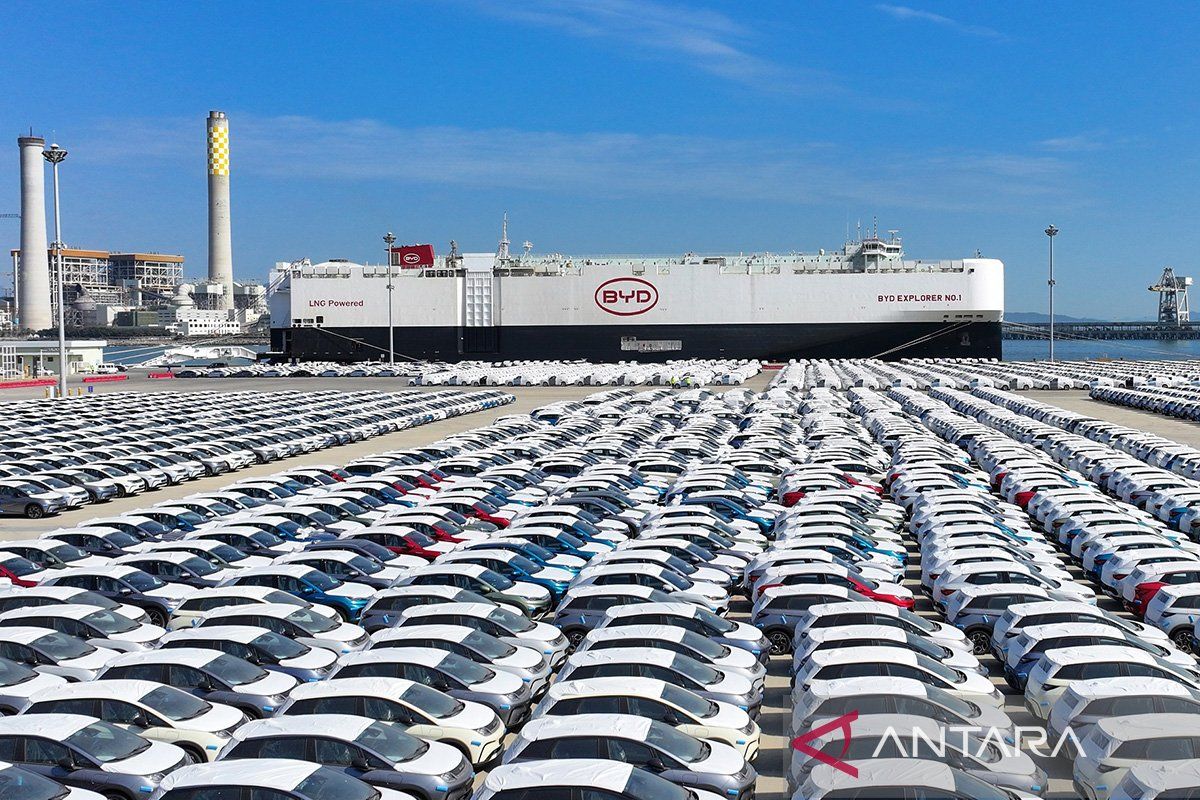
The European Union is reportedly preparing tariff rules targeting plug-in hybrid electric vehicles (PHEVs) made in China, following the imposition of tariffs on Chinese electric vehicles. When the EU implemented electric vehicle tariffs in late 2024 to curb the influx of cheap imported cars from China, Chinese automotive manufacturers switched to selling PHEVs equipped with fuel tanks. As a result, according to a Carscoops report on Sunday (21/6), sales of Chinese-brand hybrid vehicles in Europe have since soared. Now, German business newspaper Handelsblatt reports that the EU is readying new trade measures aimed at Chinese-made PHEVs. The move is expected to broaden the tariff war beyond pure electric vehicles and close what many European manufacturers now view as a loophole. An industry executive told Handelsblatt that Chinese producers quickly spotted and exploited the gap, adding that the ‘open loophole’ must be closed by the EU. Handelsblatt reported that BYD’s PHEV registrations in Europe are rising far faster than its electric vehicle sales this year. Chery has also shipped tens of thousands of PHEVs to Europe, with only a small fraction being battery electric vehicles. This trend is causing discomfort for European automakers, who are already struggling to maintain market share against the onslaught of Chinese industry, which now supplies one in every ten new cars sold in Europe. The proposed new tariff rules to curb the expansion of Chinese automakers in Europe are reportedly still under discussion. If approved by member states, the rules could be implemented within the coming months. However, not everyone is convinced the measures will fully restrain the expansion of Chinese carmakers in the European market. UBS analyst Patrick Hummel believes additional tariffs are unlikely to completely derail China’s expansion plans, as profit margins in Europe remain very attractive. Many automakers are also beginning to relocate production facilities closer to European consumers, either by utilising underused plants owned by established companies like Nissan or by planning new local factories to circumvent tariff issues. Consumer acceptance and interest in Chinese-brand cars in Europe continues to grow, even as governments become more open in pursuing tougher trade measures to address concerns about industrial competitiveness.