
EU Approves Paramount-Warner Bros £1.76 Trillion Merger, US Still Holds Back
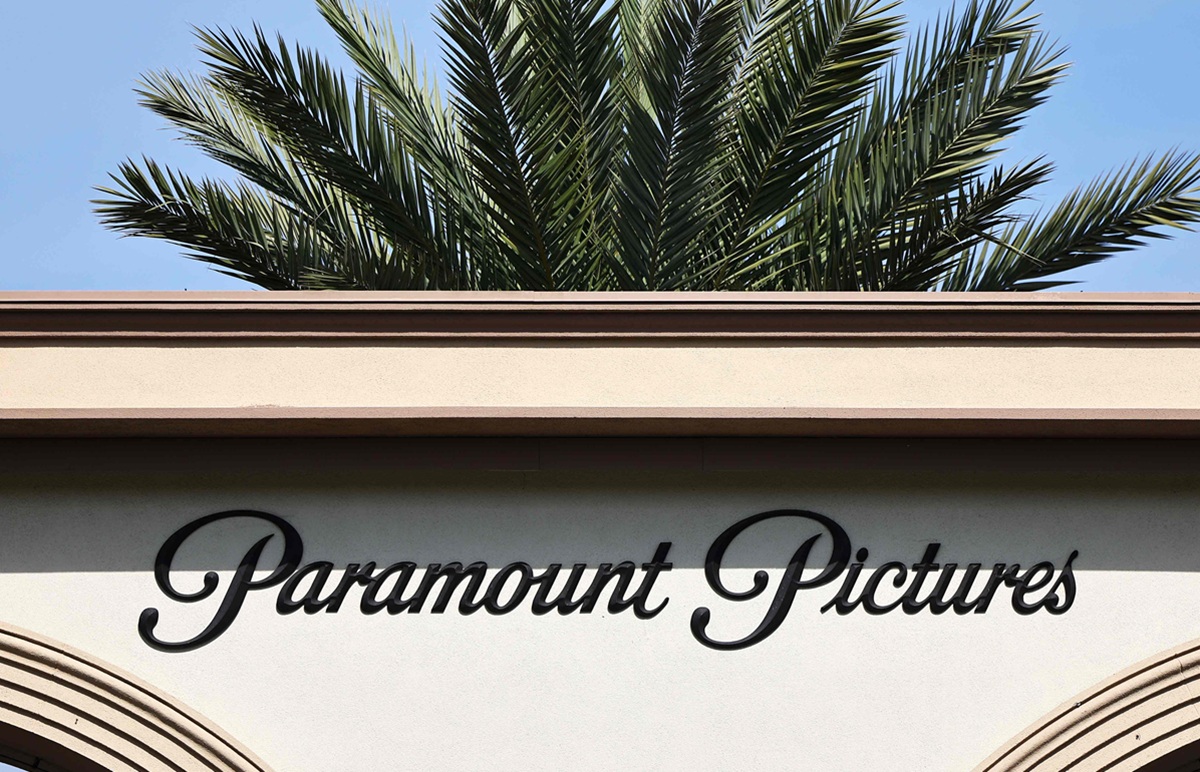
The European Commission has officially approved the mega-merger acquisition between Paramount Skydance and Warner Bros Discovery, valued at US$110 billion (approximately £1.76 trillion). Although it has secured a permit from the European regulator, this giant media deal must still face legal obstacles holding it back in the United States.
Approval from the European Union regulator was granted after Paramount agreed to terminate its primary film distribution partnership with Universal Pictures in the European region. Paramount committed to severing the cooperation within a period of 13 months and is prohibited from forming a similar partnership for 10 years. This step was taken to address competition watchdog concerns that merging distribution channels with a competitor would give the new media giant excessive control over theatrical film releases.
Despite passing in Europe, the acquisition remains stalled in the US. Although the US Department of Justice expressed its support last June, a coalition of 12 US states filed a lawsuit last week to block the deal. They argue the merger will cause “substantial harm to cinemas, basic cable TV distributors, and ultimately, audiences across the country.” Following the lawsuit, US Judge Araceli Martínez-Olguín temporarily suspended the acquisition process so the legal claims can be considered.
“This temporary restraining order (TRO) is only a brief pause and does not decide the case, but it signals that the court is taking the States’ theatre market theory seriously,” said Alon Kapen, a corporate transaction lawyer from Farrell Fritz. The delay has the potential to incur enormous costs. If the deal is not completed by 30 September, Paramount is obliged to pay a ticking fee to Warner Bros shareholders of approximately US$7 million per day until the transaction is officially closed.
Opposition has also come from the Writers Guild of America (WGA), which is concerned about threats to jobs and wages. In a statement, WGA head Tom Fontana assessed that the merged company would have “enormous power to squeeze our pay” and “eliminate opportunities for entry-level writers.” Meanwhile, UK regulators are also considering intervention regarding concerns about the impact on local news, children’s television programming, and competition in the streaming market.
Responding to the various objections, Paramount asserted that the merger would actually benefit audiences. The company committed to releasing at least 30 films in cinemas annually, or double its current production volume.