
EU and China Set October Deadline to Resolve Trade Disputes
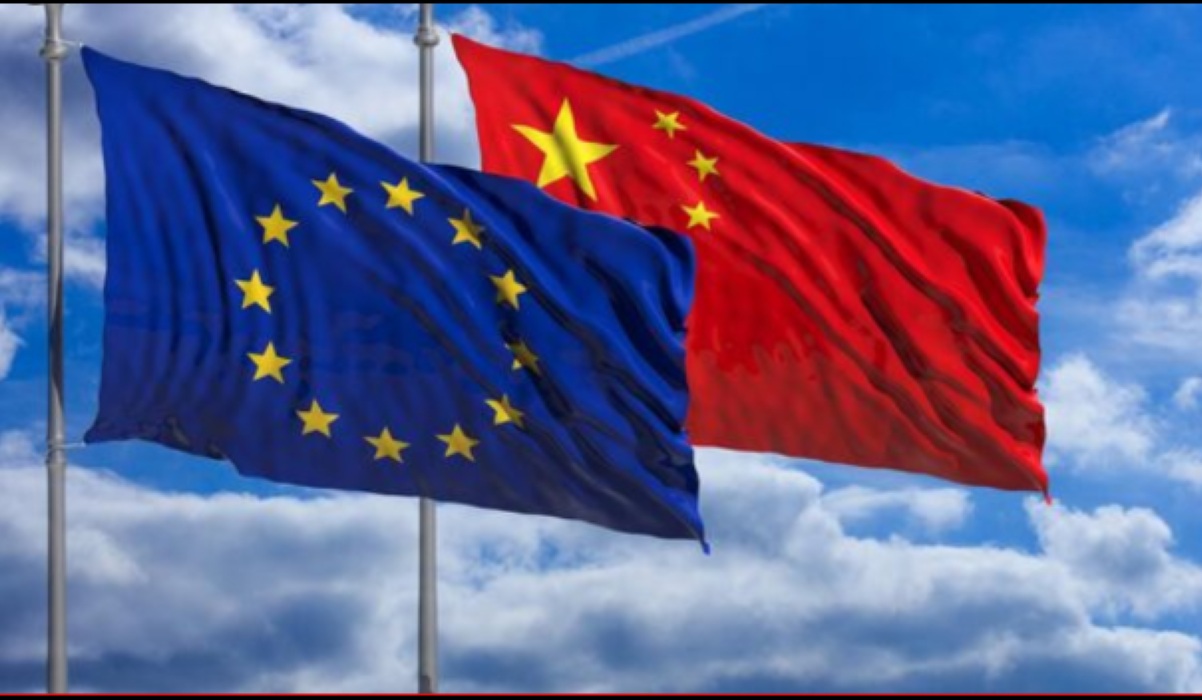
The European Union (EU) and China have officially set a deadline of October to achieve tangible progress in resolving various trade disputes. The move comes amid rising economic tensions between the two major powers.
EU Trade Chief Maros Sefcovic stated that while not all issues can be resolved immediately, the time available until October is considered sufficient for the technical teams of both sides to deliver concrete results. Sefcovic made the statement in Brussels after meeting with Chinese Commerce Minister Wang Wentao.
Sefcovic revealed that both parties would work hard to address various issues disrupting EU-China economic relations. The main focus includes the widening trade deficit caused by a flood of subsidised Chinese goods in the European market.
Additionally, officials from both sides will review Chinese export controls that restrict European access to critical supplies, intellectual property rights, and World Trade Organisation (WTO) reform. As part of this effort, the EU and China will establish a joint platform to monitor trade flows and identify sudden spikes early.
“This trend is not sustainable and the status quo is not an option,” Sefcovic stressed. He noted that this joint statement is the first since 2019. “The EU remains open for business, but we need to defend our industrial base and continue to push for a level playing field globally.”
Data shows the EU’s goods trade deficit with China reached approximately €360 billion (around Rp6,300 trillion) last year. This imbalance is experienced by all 27 EU member states. Brussels is also concerned about European companies’ dependence on Chinese supplies, such as semiconductors and rare earth minerals.
On the other hand, Beijing has criticised recent EU policies, including the Industrial Accelerator Act, which restricts Chinese investment in key sectors. China considers these policies protectionist and in violation of WTO rules.
Europe is currently in a difficult position. Firm action against Beijing is certain to trigger retaliation that would jeopardise Europe’s access to the vital Chinese market. However, internal pressure is mounting, particularly from the German automotive sector.
Reports indicate that Volkswagen AG is considering cutting 100,000 jobs and closing factories. Meanwhile, BMW AG recently lowered its profitability forecast due to weak demand and fierce competition in China. German car shipments to China in 2025 are reported to have fallen by a third compared to their peak in 2022.
German Economy Minister Katherina Reiche, in her meeting with Wang Wentao, emphasised a desire for closer cooperation while still demanding fair competition. Beijing itself hopes Berlin can play a positive and constructive role in encouraging the EU to adopt more rational and pragmatic economic policies towards China.