
EU-ABC Encourages Collaboration to Strengthen Nutrition in Indonesia and ASEAN
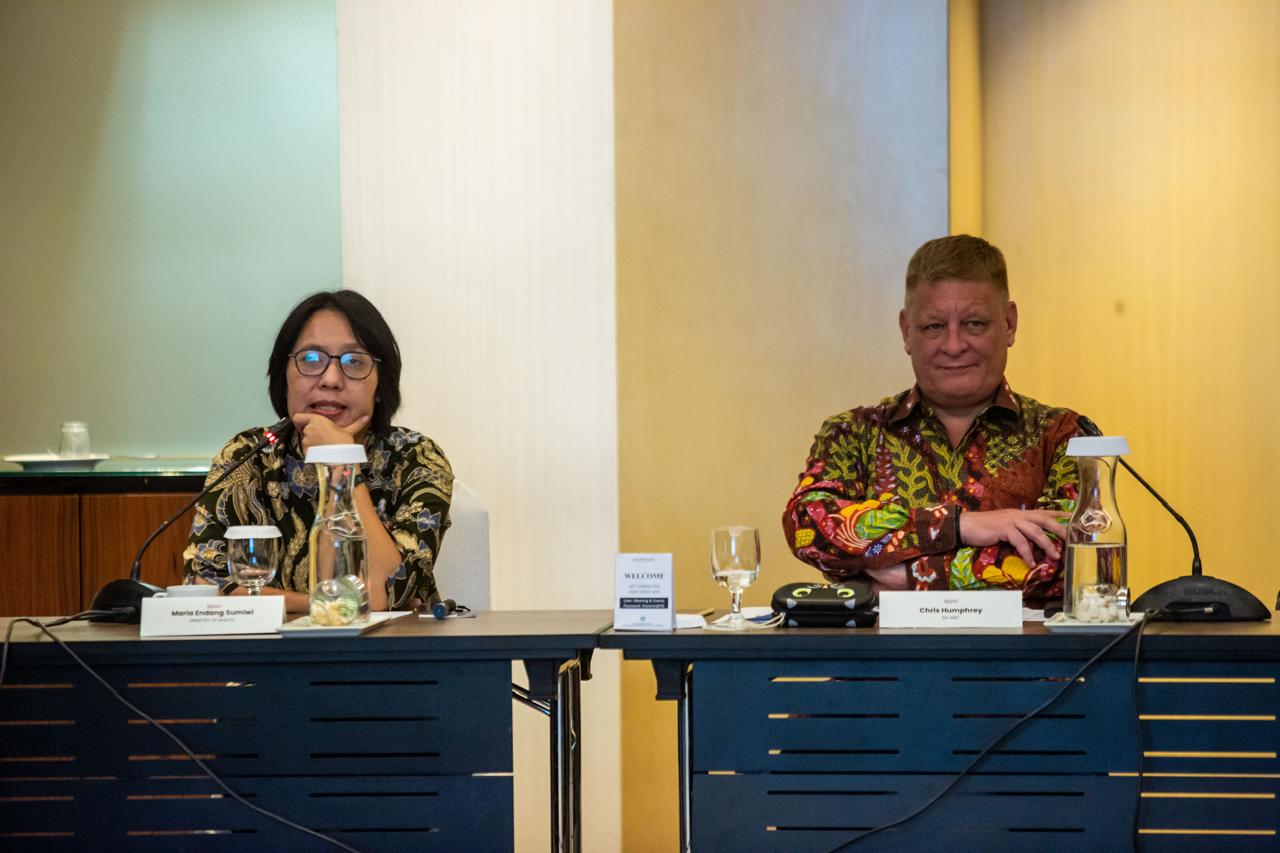
European business leaders are calling on the Indonesian government and the private sector to strengthen collaboration in order to accelerate nutritional resilience, promote healthy lifestyles, and expand public access to preventive healthcare across the ASEAN region. The call was made during the launch of the latest ASEAN health report published by the EU-ASEAN Business Council (EU-ABC), which brought together Indonesian policymakers, public health experts, and industry players.
The report, titled ‘Health, Nutrition & Lifestyle: Boosting ASEAN’s Health and Economic Resilience Through a Life-Course Framework’, emphasises the importance of implementing a life-course approach to strengthen both health and economic resilience in the region. The document underlines three main pillars: nutritional resilience, the adoption of healthy lifestyles, and the strengthening of self-care practices as a foundation for creating a healthier and more productive workforce. Within the report, preventive health is viewed as a long-term investment capable of improving the quality of life while simultaneously reducing healthcare financing burdens, increasing labour productivity, and strengthening ASEAN’s economic competitiveness.
The launch took place amidst Indonesia’s commitment to strengthening its national health and nutrition agenda. One of the government’s flagship programmes is the Free Nutritious Meals (MBG) initiative, which has already reached more than 60 million beneficiaries across the country. This programme runs alongside various government efforts to reduce stunting rates, strengthen preventive health services, and improve food security as part of a sustainable national development strategy.
‘Indonesia’s efforts to improve public nutrition and health, from large-scale initiatives like the Free Nutritious Meals programme to various stunting reduction efforts, show that the priorities set are on the right track. The main challenge now is ensuring the effective implementation of these programmes on a broad scale,’ said EU-ASEAN Business Council Executive Director Chris Humphrey on Tuesday (30/6). He added that as Indonesia pursues ambitious nutritional initiatives such as MBG, multi-party collaboration will be key to translating policy ambitions into measurable results. Collaboration between the government, industry, academia, and civil society can help strengthen nutritional resilience, improve public health, and build long-term economic resilience.
In line with this message, the ASEAN health report compiled by the EU-ABC contains 29 key recommendations on collaborative steps that governments and industry can take to improve public nutrition quality, strengthen preventive health services, and build more sustainable and circular consumption systems by referring to practices in both Europe and ASEAN. The panel discussion accompanying the launch also affirmed the need for a coordinated response involving various stakeholders to address malnutrition and the rising cases of non-communicable diseases (NCDs) in Indonesia and ASEAN.
The discussion, which included government officials, academics, and industry players, highlighted the need to shift focus from food security to nutrition security, ensuring that communities not only have access to food but also to safe, nutritious, affordable, and readily available food. Panellists also assessed that evidence-based policies, innovation, and cross-sector synergy are crucial factors in tackling ongoing challenges such as stunting, micronutrient deficiencies, obesity, and unhealthy consumption patterns.
Furthermore, they highlighted the importance of nutrition labelling, food product reformulation, school feeding programmes, increased health literacy, and various preventive health measures to encourage the public to adopt healthier lifestyles. All participants agreed that sustainable progress can only be achieved through long-term partnerships and the implementation of a life-course health approach, hoping that communities will have easier access to affordable and widely applicable healthy lifestyle choices.
Reinforcing this point, Sri Ridha Hasanah from the Directorate of Non-Communicable Disease Prevention and Control (P2PTM) at the Ministry of Health stated that economic development and public health improvement should go hand in hand. ‘If we share the same public health goals, there is always room for collaboration. We do not view economic growth and public health as conflicting interests. On the contrary, they can go hand in hand to achieve better public health outcomes,’ she said.
Meanwhile, Chris Humphrey noted that the evidence presented in the report demonstrates various concrete steps that the industry can take to support healthy eating patterns, ranging from product reformulation and fortification to providing clearer nutritional information and strengthening supply chains. ‘European companies are ready to bring this experience to support Indonesia’s nutrition and preventive health agenda,’ he stated.
Source: jawawa.id (https://jawawa.id/newsitem/eu-abc-encourages-collaboration-to-strengthen-nutrition-in-indonesia-and-asean-1782834673)
Originally published by Media Indonesia (https://mediaindonesia.com/humaniora/906043/eu-abc-dorong-kolaborasi-perkuat-gizi), translated from Indonesian