
ETLE Hub Expands to 51 Monitoring Points to Tackle Overloaded Trucks by 2027
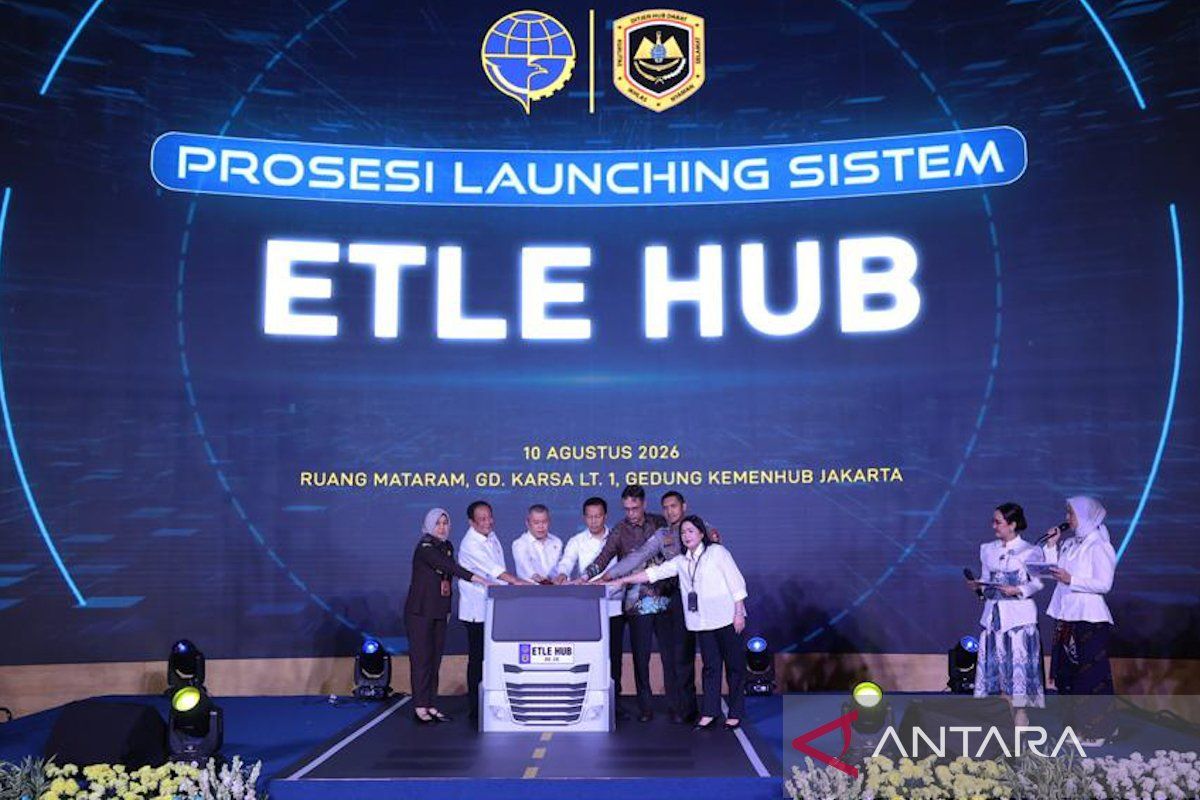
The Ministry of Transportation (Kemenhub) has announced that the Electronic Traffic Law Enforcement Hub (ETLE Hub) system has been expanded to 51 monitoring points to strengthen digital supervision of freight vehicles in pursuit of zero over dimension over loading (ODOL) by 2027.
Director General of Land Transportation Aan Suhanan stated in Jakarta on Monday that the current 51 points include 26 locations at Vehicle Weighing Execution Units (UPPKB) and 25 points on various toll road sections. The system will continue to be rolled out until it reaches 63 UPPKB monitoring points and 15 points equipped with Weigh In Motion (WIM) technology.
Aan described ETLE Hub as an integrated digital system developed to connect multiple data sources, supporting the zero ODOL 2027 implementation. He stressed that the system is not merely about using cameras to capture violations, but is built to integrate freight vehicle supervision based on data, including vehicle identity and technical data, weighing results, periodic inspections, and transport permits.
“With this integration, supervision can be carried out more systematically, measurably, and accountably,” Aan said. He explained that ETLE Hub was constructed as an integrated enforcement ecosystem linking various devices and data sources in the land transport sector. “What we are doing is digitalising processes that have so far been conducted manually. The difference is that with ETLE Hub, the process becomes faster, more consistent, transparent, and can be integrated with various other systems.”
He noted that the ministry aims to shift the pattern of ODOL vehicle supervision, which has historically relied heavily on physical inspections and the presence of officers in the field, towards a more systematic, data-based, and sustainable approach. “We must face the reality that the number of freight vehicles in operation is very large, while the number of officers and inspection points is limited. With digitalisation, the capacity and reach of supervision can be expanded without entirely depending on additional personnel,” he added.
Freight vehicles found committing overloading violations will be issued warnings as part of the socialisation process towards zero ODOL by 2027. Meanwhile, document violations concerning roadworthiness requirements will be subject to legal enforcement in accordance with applicable regulations.
Currently, ETLE Hub is focused primarily on freight transport, both general and special cargo, particularly concerning ODOL vehicles due to their impact on transport safety, road infrastructure protection, and national logistics governance. Aan added that the system will be further developed to expand supervision coverage to passenger transport, especially buses, to strengthen oversight of technical requirements, roadworthiness, periodic inspections, and operational permits.
“ETLE Hub is not just a new application or camera, but a transformation of the supervisory process that Kemenhub has been carrying out. The ultimate goal is to improve compliance, not to increase the number of tickets issued,” he said.
Earlier, Minister of Transportation Dudy Purwagandhi launched the ETLE Hub system as a step to accelerate the handling of ODOL vehicles through technology-based law enforcement to enhance national transport safety. “Hopefully this step will further strengthen safety, order, and freight transport governance in Indonesia,” the Minister said. The government considers the issue of ODOL vehicles a shared concern, as they increase the risk of accidents, accelerate damage to roads and bridges, disrupt traffic order, and cause losses that are ultimately borne by the public.