
Eternal Ice on Puncak Jaya Predicted to Vanish by End of 2026
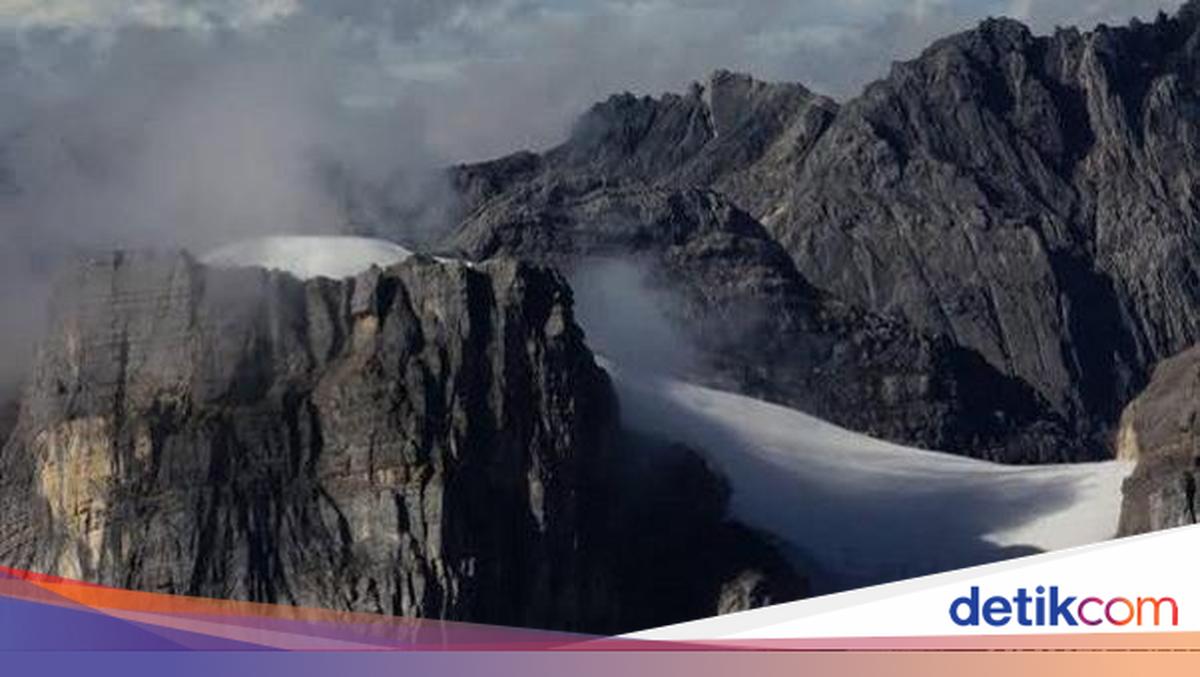
The eternal ice on Puncak Jaya is rapidly thinning. The tropical glacier in Jayawijaya is predicted to vanish entirely by the end of 2026. “In a short time, Indonesia may lose its eternal ice forever. The ice on Puncak Jaya, Papua, continues to shrink year after year. According to climatology experts at BMKG, the eternal ice that has survived for thousands of years is expected to disappear completely by the end of 2026 or early 2027,” BMKG stated on its official Instagram account. BMKG noted that the tropical glacier in Jayawijaya spanned 4.3 square kilometres in 1988. Its area had drastically reduced to just 0.09 square kilometres by September 2025. In addition to its surface area, the ice thickness has also continued to decline. In 2010, the ice thickness measured 32 metres. “By 2023, measurements from monitoring stakes indicated the ice thickness was only 4 metres,” BMKG reported. BMKG stated that the latest monitoring shows the ice has now completely melted. The agency attributed the disappearance of the eternal ice on Puncak Jaya to a combination of global climate change and the El Niño phenomenon, which has led to hotter temperatures and drier weather in Indonesia. “Many researchers estimate that the eternal ice in Papua has only a matter of months before it is completely gone,” BMKG wrote. BMKG emphasised that Puncak Jaya is not just a mountain but a cultural and spiritual symbol for the Papuan people. The loss of the eternal ice represents a significant loss of ancestral heritage. “The environmental impact will also be severe. Mountain ice plays a crucial role in maintaining the water balance in Papua. If it melts, ecosystems, wildlife habitats, and community farmlands could be affected,” BMKG stated. BMKG said the impacts of global climate change are clearly visible on Puncak Jaya. The agency warned that the current generation might be the last to witness eternal ice in Indonesia. “It is hard to believe, but we may be the last generation to see the eternal ice in Indonesia,” BMKG wrote. BMKG urged everyone to work together to protect nature by planting trees, recycling waste, using public transport, and conserving water to help preserve the earth.