
Establishing Mosques as Centres of Unity, Civilisation, and Regeneration for Gen Z
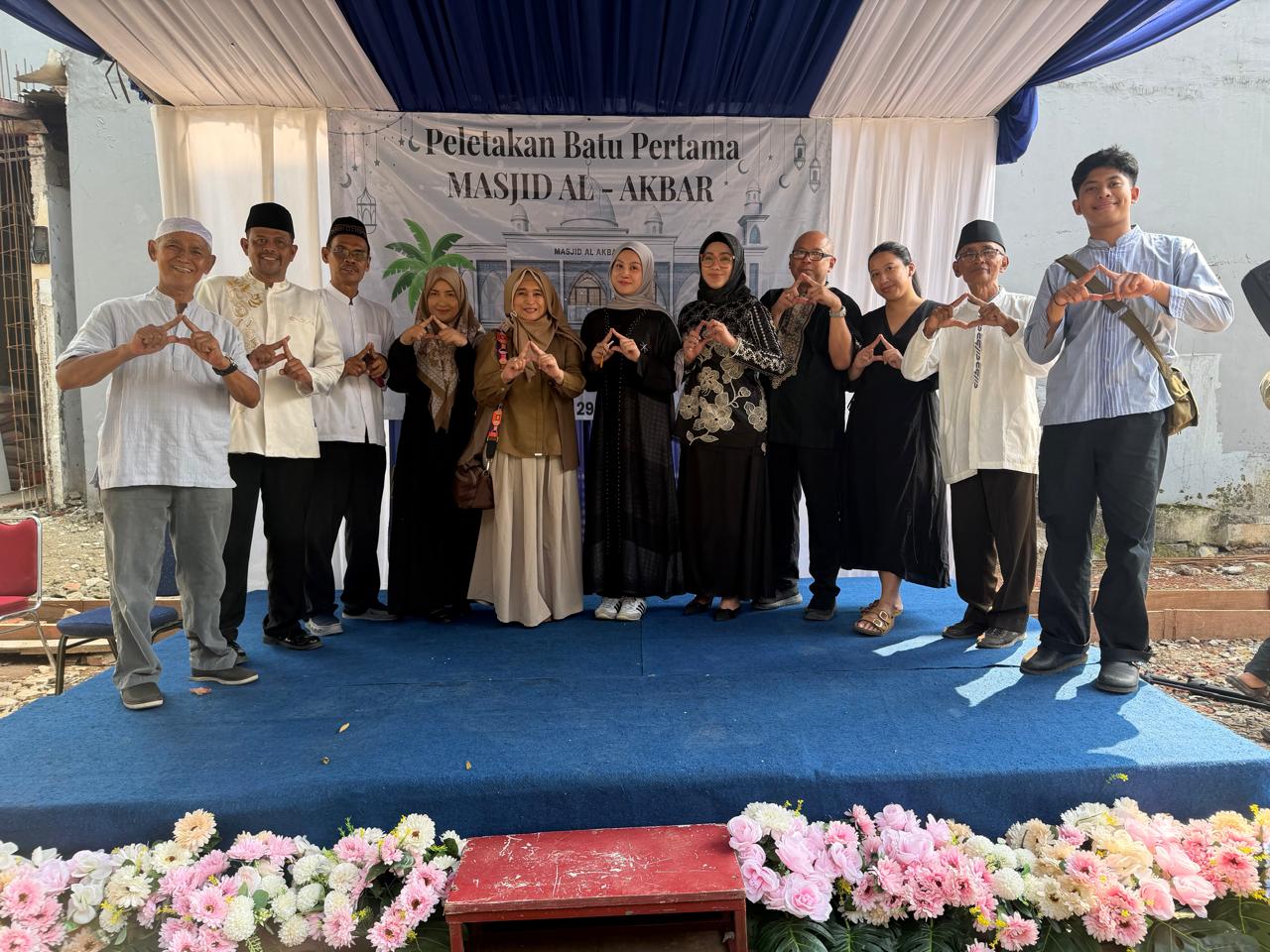
Mosques serve as platforms for unity and civilisation-building, and must also be comfortable, secure, and appealing to younger generations, particularly Gen Z, through innovative and creative approaches.
“Mosques must function as centres of unity and civilisation, not merely as places for ritualistic worship. They should be managed creatively to provide spiritual inspiration and comfort while innovating for Gen Z,” said former actress turned Ustazah Hj. Neno Warisman during the groundbreaking ceremony for Masjid Al-Akbar in Cibubur, East Jakarta, on Friday (29 May).
Representing the family of Ahmad Akbar and Tenike, the landowners and developers of the mosque, Neno Warisman stressed that mosques as unity platforms should embrace diverse religious practices to prevent division.
“All are welcome to worship at Masjid Al-Akbar, whether from Muhammadiyah, NU, or other groups. Let us preserve the unity of the Muslim community together,” Neno added.
As a Cultural and Pesantren Technical Expert at the Ministry of Culture, Neno cited Masjid Jogokariyan in Yogyakarta and Masjid Sejuta Pemuda in Sukabumi as exemplary models. She noted both offer valuable lessons: Jogokariyan exemplifies the sincerity and professionalism of the late KH M. Jazir, while Sukabumi’s Masjid Sejuta Pemuda empowers Gen Z to creatively manage the mosque and ensure a safe, comfortable environment for worshippers.
“Here, parents and elders can sit back and oversee while giving Gen Z space to manage the mosque,” Neno concluded, praising Ahmad Akbar and Tenike for donating their land for a communal act of worship.
At the same event, Ahmad Akbar, a UI FISIP graduate, thanked Cibubur Village Office, DMI Cibubur, and community figures including retired General TNI Abdul Gani and Neno Warisman. He explained that the 850-square-metre plot, previously earmarked for townhouses and commercial expansion, was repurposed for the mosque after lengthy discussions with his family.
“After lengthy discussions with my wife and children, we agreed to dedicate part of the land for a public mosque, serving as a place of worship and a spiritual investment for our family while benefiting the wider community. We aim for a serene, green-conscious mosque, with the roof featuring eight solar panels generating nearly 5,000 watts of electricity,” Akbar stated.
Community leader H. Abdul Gani, former Director General of Consular Affairs at the Foreign Ministry under Foreign Minister Ali Alatas, expressed hope that the new mosque would foster communal harmony and collective efforts to enhance local mosques.
“We welcome Masjid Al-Akbar and urge everyone to collectively nurture it and other mosques in the area,” Abdul Gani said, noting his past role as Director General of Consular Affairs under Foreign Minister Ali Alatas.
Meanwhile, Cibubur Village Head Roni Abdullah praised the decision to convert expensive land into a place of worship.
“We commend this initiative given Jakarta’s high land prices. Allah has inspired Mr. Ahmad Akbar and his family to donate the land for the mosque. Let us all work to maintain it,” said Village Head Roni.
Similarly, Cibubur DMI Branch Chairman KH Umardani expressed gratitude for the new mosque, which adds to local worship facilities. He urged the new mosque to maintain good relations with existing ones.
He noted that Masjid Al-Akbar’s caretaker, Ustaz Gunawan—who also chaired the event attended by over 70 community figures and locals—should continue fostering ties with nearby Masjid Al-Mukhlisin.
“Alhamdulillah, Ustaz Gunawan has received blessings from Ustaz Bambang of Masjid Al-Mukhlisin,” he said, praying for Ahmad Akbar, his wife, and family to earn a place in paradise. He cited a hadith stating that those who build mosques in this world will be rewarded with a mosque in the hereafter.