
Essential Items to Keep at Home
Jakarta (ANTARA) — A home is not only a place to rest after a day’s activities, but also somewhere to meet a range of everyday needs. From cooking and cleaning to maintaining health and dealing with unexpected events, certain items should be available to make life at home more comfortable.
However, not everyone realises the importance of preparing household supplies in advance. As a result, when a minor problem arises — such as a small injury, a power cut or running out of food — residents may have to go out to buy what they need.
To avoid this, you can start preparing essential supplies according to your family’s needs. These items do not have to be expensive or bought all at once, but should be kept somewhere easy to reach.
So, what essential items should always be available at home? Here is a list.
1. First-aid kit and personal medicines
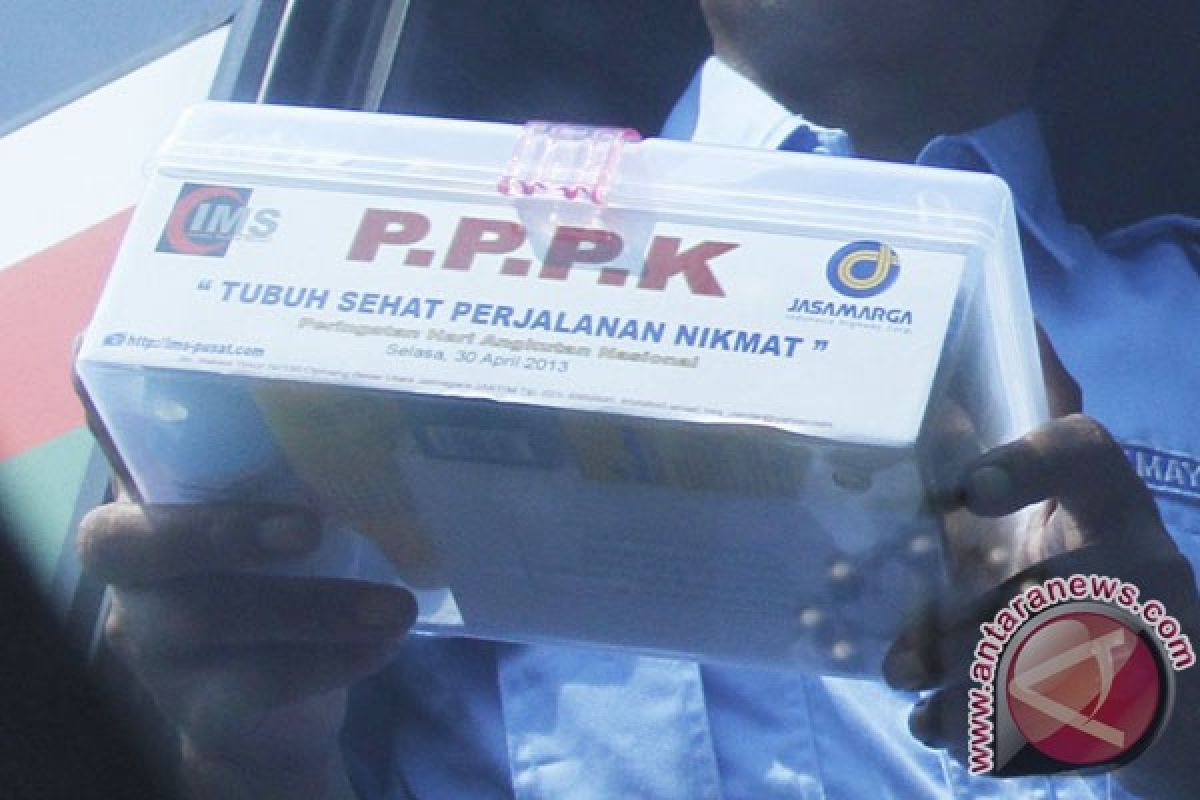
A first-aid kit is one of the items that should be available in every home. It can be used to provide initial treatment for minor wounds or injuries.
The kit can include plasters, sterile gauze, bandages, wound antiseptic, disposable gloves and small scissors. You could also add a thermometer to check the temperature of a family member who feels unwell.
In addition, keep any medicines that family members need, particularly if someone regularly takes prescription medication.
Store medicines according to the instructions on the packaging, out of children’s reach, and do not use them after their expiry date. Check the first-aid kit regularly so that used-up or damaged supplies can be replaced promptly.
2. Drinking water supplies
Drinking water is a basic necessity that should be considered both for daily use and in an emergency.
Make sure there is enough drinking water for the household. The amount can be adjusted according to the number of residents, daily needs and local conditions.
You can also store bottled water as an extra supply in case of a water disruption or an emergency that makes it difficult to access shops.
To maintain its quality, store water in a clean, covered container suitable for drinking water. Check the expiry dates of packaged products and follow their storage instructions.
Food supplies are also important to ensure the family’s needs are met when you have not had time to shop or are facing an emergency.
Options include rice, dried noodles, tinned food, biscuits, dried pulses and other foods with a relatively long shelf life.
Choose foods the family normally eats so that supplies are not wasted. Check expiry dates and store food according to the instructions on the packaging.
For food that requires a tin opener or other equipment, make sure that the necessary tools are available. You can also prepare some food that is easy to eat when electricity or cooking facilities are unavailable.
4. Torch and spare batteries
Power cuts can happen at any time, whether because of a network fault or weather conditions. A torch is therefore one of the items that should always be available at home.
A torch can provide light when the lights are not working, particularly at night. Choose one that is easy to use and keep it somewhere known to all family members.
Remember to keep spare batteries if the torch uses disposable ones. If it is rechargeable, make sure it has enough charge and check it regularly.
A rechargeable emergency lamp is another option. Avoid relying on candles as the sole source of light, as an unattended naked flame can cause a fire.
5. Household cleaning equipment
A clean home helps create a comfortable environment for daily activities. Cleaning supplies should therefore be available and easy to reach.
Items to keep include a broom, mop, dustpan, cleaning cloths, brush, sponge and cleaning products suitable for the surfaces to be cleaned.
You should also have hand soap, washing-up liquid and other cleaning products according to your family’s needs.
Keep cleaning products in a safe place, out of children’s reach and separate from food and drink. Do not mix different cleaning products, especially chlorine-based bleach with cleaners containing acid or ammonia, as this can produce hazardous gases.
6. Bathing and personal hygiene supplies
Toiletries are everyday essentials that should not be allowed to run out without replacements being available.
Items to keep include bath soap, shampoo, toothbrushes, toothpaste, towels, tissues and sanitary pads for family members who need them.
If there is a baby, an older person or a family member with specific needs at home, also prepare additional supplies as required.
You can make a list of frequently used items to help identify when new supplies need to be bought. This helps ensure basic needs are met without having to shop at short notice.
7. Cooking equipment
Having suitable cooking equipment can make it easier to prepare meals at home.
Basic items to keep include a kitchen knife, chopping board, spatula, serving spoon, saucepan, frying pan and tableware.
Also make sure the cooker can be used safely. If you use a gas cooker, check the regulator, hose and connections regularly. If you smell gas, do not light a flame or operate electrical switches; take safety measures in accordance with the relevant guidance and contact a professional if necessary.
You may also want a bottle or tin opener if you often store packaged food. Choose equipment according to your needs and the size of your household to avoid accumulating items that are rarely used.
8. Basic tools for minor repairs
Small problems at home, such as a loose screw or furniture that needs tightening, can sometimes be dealt with using simple tools.
It is therefore useful to have a toolbox containing a screwdriver, pliers, a hammer, a tape measure and a selection of screws or nails as needed.
Keep the tools in a designated place so that they can be found easily. If possible, label the storage box so each tool can be returned to its place after use.
However, do not attempt to repair electrical wiring, gas leaks or structural damage that could pose a risk unless you have the necessary expertise. It is safer to call a professional technician for this kind of work.
9. Extension leads and chargers
Mobile-phone chargers are frequently used to maintain communication with family and access important information.
Make sure you have chargers that are compatible with your devices and in good condition. A power bank can also be useful for charging a phone during a power cut or while travelling.
If you need an extension lead, choose a quality product with a suitable capacity. Avoid connecting too many high-powered devices to one socket, as this can cause overheating and increase the risk of fire.
Arrange cables neatly to prevent people from tripping over them. Check cables and plugs regularly, and stop using them immediately if they appear damaged or smell of burning.
10. Important documents and cash
Important documents should be kept in an orderly manner so they can be found easily when needed, for example for administrative purposes, travel or emergencies.
Documents to consider include family cards, identity cards, ownership documents, certificates and insurance documents, if applicable. Keep original documents in a safe place and consider making secure digital copies.
You can also set aside some cash for emergencies. This may be useful if ATMs, payment networks or digital services are disrupted.
Keep money and documents somewhere safe from water, fire and access by unauthorised people.
11. Emergency supplies and important telephone numbers
In addition to everyday household items, homes should have supplies that can help the family cope with emergencies.
You can prepare a go-bag containing drinking water, long-life food, personal medicines, first-aid supplies, a torch, spare batteries, a change of clothes, a whistle and copies of important documents in a waterproof container.
The National Disaster Mitigation Agency (BNPB) advises the public to prepare basic emergency needs, including food and water, medicines, lighting equipment and important documents.
Keep the bag somewhere easy to reach and make sure all family members know where it is. Check its contents regularly, particularly food shelf life, battery condition and whether medicines are still suitable.
Remember to write down important telephone numbers, including those of family members, nearby neighbours, health services, the fire brigade and local emergency services. Keep a printed copy so it remains accessible if your phone runs out of power.
12. Bins
A bin helps keep the home clean and makes everyday waste management easier.
Use a bin that is easy to clean and has a lid, particularly for kitchen waste. You can also separate organic and non-organic waste to make it easier to manage or send for recycling.
Keep bin bags in suitable sizes. Dispose of rubbish regularly and clean the bin to prevent odours and deter insects.
If possible, use separate containers for recyclable waste and household hazardous waste, such as used batteries. Do not dispose of batteries or electronic waste carelessly, as they can pollute the environment.
13. Additional supplies according to family needs
Every home has different needs. Essential items should therefore be chosen according to the residents’ circumstances and the local environment.
For example, if you have a baby, prepare nappies, wet wipes, feeding equipment and other care supplies. In homes with pets, remember to keep food, water bowls and pet-cleaning supplies.
Families with a member who has a particular illness should ensure that regular medicines and necessary medical equipment are available, in accordance with advice from health professionals.
If you live in an area prone to flooding or other disasters, tailor your emergency supplies to the risks in your area. Appropriate preparation is more useful than buying a large number of items that are not actually needed.
Essential household items do not have to be numerous or expensive. What matters most is ensuring that the family’s basic needs, cleanliness, safety and preparedness are taken care of.
Start by checking what you already have, making a list of what is needed and gradually filling any gaps. Keep each item somewhere easy to find and check its condition regularly.
With these simple preparations, everyday life can be more comfortable and the family can be better prepared for unexpected situations, according to BNPB and other sources.