
Essential items to include in an emergency preparedness kit for disasters
Disasters can arrive without warning. In panic-stricken situations, we often lack the time to collect valuables or prepare necessities during an evacuation.
Therefore, prepare an emergency bag that can be carried immediately when a disaster occurs. The contents should be tailored to the needs of yourself and your family, with supplies ideally sufficient for at least three days.
According to a report by Good Housekeeping on Friday (21/8), primary requirements include:
Durable, easy-to-use, leak-proof water bottles with a capacity of approximately 24–26 ounces that can maintain temperature.
Long-lasting, high-protein foods such as nuts, tuna, salmon, dried chillies, peanut butter, mixed nuts, powdered milk, dried fruit, and protein bars. Opt for low-sodium canned foods and, if possible, BPA-free options.
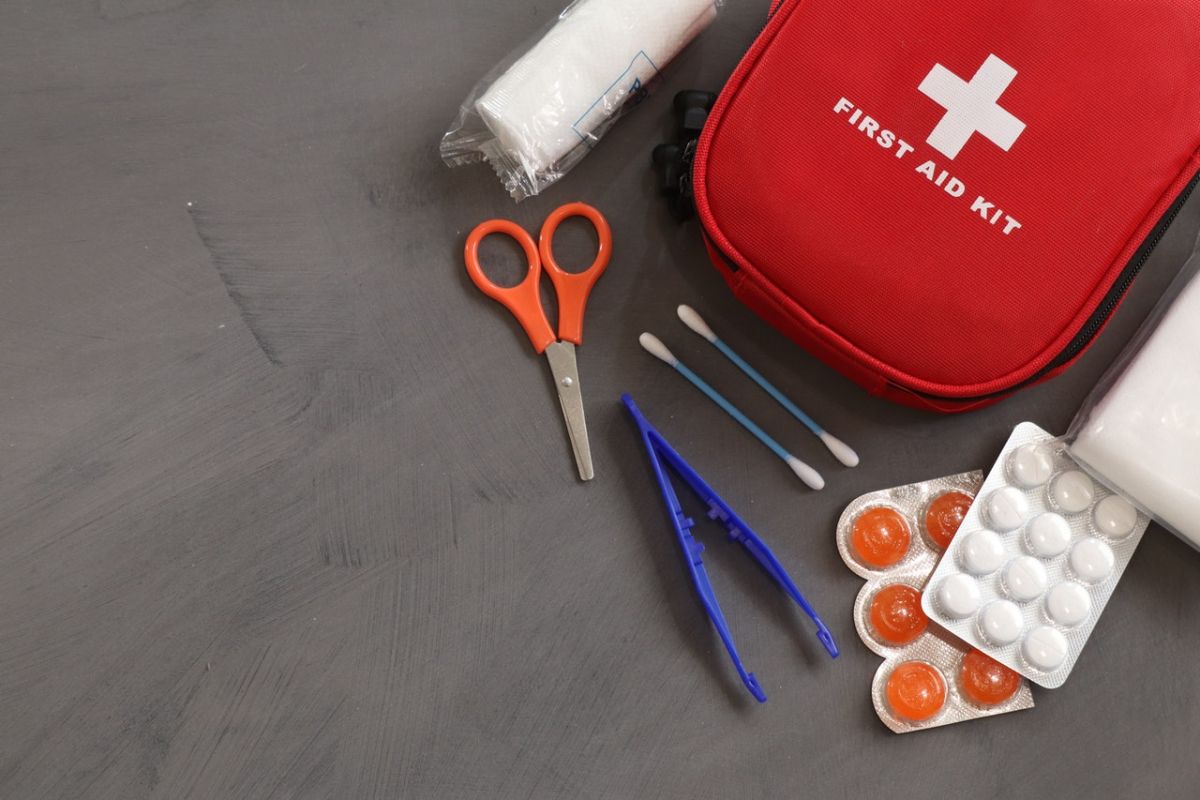
Medicines and a first aid kit, including bandages, cold compresses, and pain relievers.
Important documents and cash, stored in waterproof, resealable plastic bags.
Hygiene and protection supplies, such as N95 masks, disinfectant wipes, baby wipes, nappies, personal hygiene products, bleach, and bin bags.
Multi-functional tools, such as those equipped with scissors, can openers, pliers, screwdrivers, and waterproof adhesive tape.
Supporting equipment, such as a small radio for emergency information, headlamps, portable lighting, lightweight waterproof blankets, matches or lighters, whistles, and AAA batteries.
The type of bag used should be adapted to your needs. A backpack is a practical choice as it is easy to carry and can hold a significant amount of items. If you have extra space and vehicle access, plastic storage containers can also be used as a supplement.
Include an inventory list of the supplies in a backpack pocket or on the lid of the container so that items can be easily located.
Set an annual reminder to check expiry dates and replace supplies that are no longer suitable. Items prone to theft should also be stored securely.