
Essence of fiscal incentives for literacy advocates
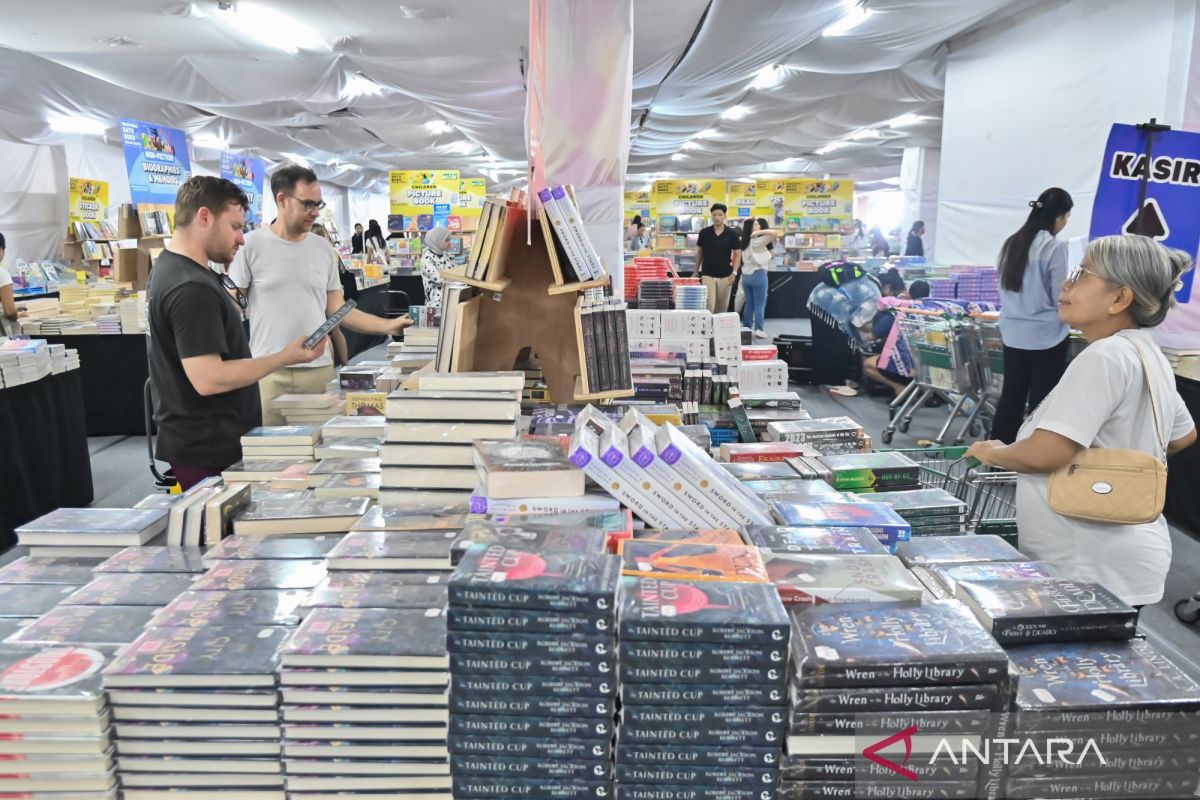
The policy forms part of the national economic stimulus package for the second half of 2026 and is viewed as the government’s support for the literacy ecosystem. JAKARTA (ANTARA) – The Indonesian government has taken a historic step for the nation’s literacy landscape in 2026. Through a new policy announced by the Coordinating Minister for Economic Affairs, the government has set a 1.5% final income tax (PPh) scheme for authors and book writers receiving royalties from ISBN-registered works. This policy is part of the national economic stimulus package for the second half of 2026 and is seen as the state’s support for a literacy ecosystem that has long faced significant economic pressures. This move is more than a tax rate adjustment. Behind the 1.5% figure lies a key message that the state now views literacy as a human development tool, not merely a cultural activity. UNESCO research shows a direct correlation between a nation’s literacy level and economic productivity, democratic quality, and national innovation. Countries with high literacy indices tend to have better economic growth and education quality than those with low reading cultures. Indonesia continues to face serious challenges in literacy. Recent Programme for International Student Assessment (PISA) data shows Indonesian students’ reading abilities remain below the OECD average. Conversely, research by the National Library of Indonesia indicates rising public reading interest, though not always accompanied by improved quality book production or more professional writers. This situation underscores the need for fiscal intervention from the state.
Source: jawawa.id (https://jawawa.id/newsitem/essence-of-fiscal-incentives-for-literacy-advocates-1780033029)
Originally published by Antara (Indonesian) (https://www.antaranews.com/berita/5585288/esensi-insentif-fiskal-pegiat-literasi), translated from Indonesian